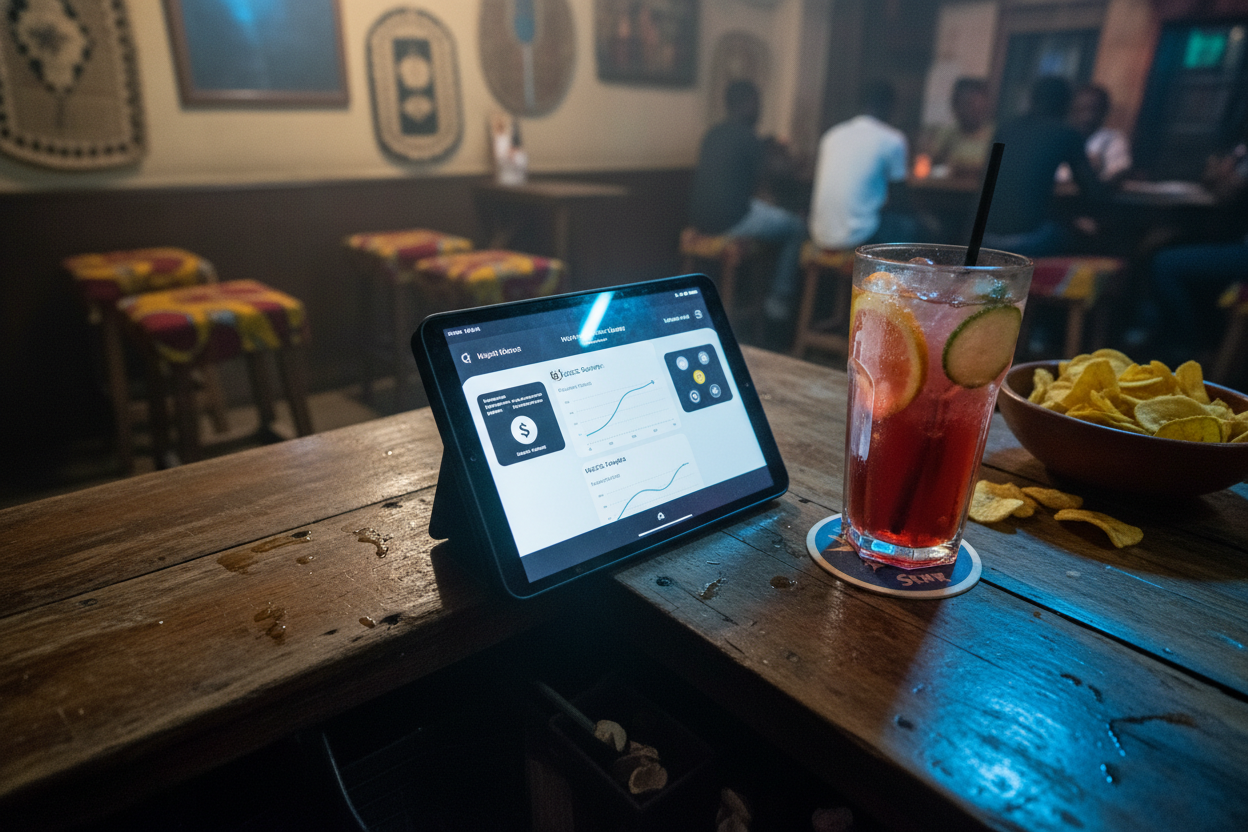
In early 2026, everyday Kenyans and Nigerians are transforming their savings game with high-yield USDC accounts linked straight to mobile money wallets. Imagine depositing via M-Pesa or OPay, watching your USDC grow at double-digit APYs, and withdrawing to local currency in minutes. This seamless bridge between stablecoins and Africa's dominant mobile fintech is no longer a dream; it's processing billions amid soaring adoption. Platforms like AfricaStableSave. com lead the charge, optimizing USDC savings Kenya mobile money integrations for aggressive earners seeking stability against inflation.
Stablecoins have become Africa's financial lifeline, especially in Kenya and Nigeria where currency volatility erodes traditional savings. Frontier Fintech GPS#59 reports Kenya's platform handled KES 83.7 trillion ($649.7 billion) in 2025, dwarfing the nation's GDP. Stablecoin remittances slash costs by 85% versus banks, with $3.3 billion flowing through Kenya alone in 2024 per AInvest. Nigeria mirrors this surge, as Yellow Card pivots 99% of operations to USDT and USDC for cross-border efficiency.
M-Pesa's USDC Leap: High-Yield Savings for Millions
Kenya's M-Pesa, serving over 50 million users, now syncs effortlessly with USDC via partners like Kotani Pay and the ADI Foundation. Users receive USDC remittances, convert to shillings instantly, and earn yields without leaving their wallets. Mercy Corps pilots proved this flow: inbound USDC to M-Pesa savings, yielding far above bank rates hovering at single digits. The VASP Bill of October 2025 mandates licensing, boosting trust with AML safeguards and operational rigor.
Current USDC Savings Platforms
| Platform | APY | Liquidity | Risk |
|---|---|---|---|
| Aave | Up to 12% | High | Decentralized |
| Nexo | 10-15% | Instant | Custodial |
| Kraken | 8-11% | Flexible | Regulated |
This integration empowers USDC savings Kenya mobile money users to hedge naira or shilling dips. AfricaStableSave. com streamlines it further, offering tailored yields optimized for M-Pesa inflows. Picture a Nairobi trader parking remittances in USDC at 12% APY; that's compounding wealth faster than inflation erodes it.
Nigeria's Stablecoin Surge: Beating Inflation with Mobile Yields
Across the border, high yield stablecoin Nigeria strategies dominate as inflation bites. Platforms like Yellow Pay enable P2P USDC acquisition via fintechs, then local cash-outs to mobile wallets. Stablecoins now shield savings in a market where naira lost 30% value last year. Onafriq connects 500 million wallets across Africa, routing USDC for remittances 80% cheaper and faster than SWIFT.

SEC updates in January 2025 clarify digital asset rules, paving regulated paths for USDC mobile wallet Africa savings. Users tap OPay or Paga, fund USDC accounts, and lock in yields from Nexo or Binance savings. AfricaStableSave. com excels here, blending M-Pesa-like ease with DeFi precision for Nigerian hustlers.
Unlocking Top USDC Yields: Mobile-Optimized Strategies for 2026
Why settle for 4% bank interest when USDC platforms deliver 8-15% APYs? Stablecoininsider. org ranks Aave, Nexo, and Kraken tops for 2026, balancing lockups, custody, and liquidity. For mobile users, low-entry products shine: deposit $10 USDC via wallet, earn daily compounds, off-ramp seamlessly. Stablecoin yields M-Pesa integration cuts friction, letting yields accrue passively.
USD Coin (USDC) Price Prediction 2027-2032
Forecasts based on African mobile money integration, high-yield savings, regulatory evolution, and stablecoin demand dynamics amid inflation hedging
| Year | Minimum Price | Average Price | Maximum Price | YoY % Change (Avg from Prior) |
|---|---|---|---|---|
| 2027 | $0.995 | $1.00 | $1.03 | +0.0% |
| 2028 | $0.99 | $1.01 | $1.05 | +1.0% |
| 2029 | $0.985 | $1.02 | $1.07 | +1.0% |
| 2030 | $0.98 | $1.04 | $1.10 | +1.96% |
| 2031 | $0.98 | $1.06 | $1.13 | +1.92% |
| 2032 | $0.975 | $1.08 | $1.16 | +1.89% |
Price Prediction Summary
USDC is expected to closely track its $1 USD peg through 2032, with average prices showing a modest premium (up to 8%) driven by surging demand in Kenya and Nigeria's mobile money ecosystems for high-yield savings (12-18% APY via Aave/Nexo) and cheap remittances. Minimums account for bearish depeg risks from regulations or market stress; maximums reflect bullish adoption surges. Overall outlook: stable with upside from African financial inclusion.
Key Factors Affecting USD Coin Price
- Explosive adoption in Kenya (M-Pesa partnerships, Kotani Pay) and Nigeria (Yellow Card, 99% stablecoin business)
- High yields attracting inflows: Aave 12-18%, Nexo 10-16%, AfricaStableSave 14% avg with mobile boosts
- Regulatory tailwinds: Kenya VASP Bill 2025, Nigeria SEC crypto framework
- Stablecoin remittances 85% cheaper, processing billions (e.g., $3.3B in Kenya 2024)
- Tech synergies: Seamless USDC-to-mobile money conversions, Onafriq integrations
- Risks: Competition from USDT/DAI, potential depegs in volatility, custody/bridge issues (e.g., bridged variants)
Disclaimer: Cryptocurrency price predictions are speculative and based on current market analysis. Actual prices may vary significantly due to market volatility, regulatory changes, and other factors. Always do your own research before making investment decisions.
AfricaStableSave. com analyzes these curves, recommending aggressive savers mix flexible and locked terms. In Kenya, M-Pesa's blockchain tie-up with UAE firms hints at dirham-stablecoin hybrids, but USDC remains king for dollar peg. Nigerians leverage P2P for entry, then park in high-yield pools. This duo nations lead Africa USDC high yield accounts 2026, with volumes exploding as per Yahoo Finance and Garowe Online insights.
Rising stablecoin use stems from real needs: faster remittances, inflation-proof stores, and yield chases. Kotani Pay's conversions make it tactile; send USDC diaspora funds, convert, save at scale. Regulatory green lights ensure longevity, positioning mobile USDC as infrastructure, not gimmick.
AfricaStableSave. com stands at the forefront, fine-tuning these integrations for maximum yield capture. Our platform's mobile-first design means no apps to download beyond your trusted wallet; just deposit, earn, and grow. This precision engineering turns volatile markets into opportunity zones for everyday savers.
Mastering the Flow: Step-by-Step USDC Deposits for Peak Yields
Getting your funds into high-yield USDC has never been simpler, thanks to direct mobile money bridges. Start with a diaspora remittance or P2P trade, then layer on compounding interest that outpaces Kenya's 7% inflation or Nigeria's steeper climbs. Platforms prioritize liquidity, so your money works without lockups trapping it.
5 Steps to High-Yield USDC Savings via M-Pesa or OPay in Kenya & Nigeria
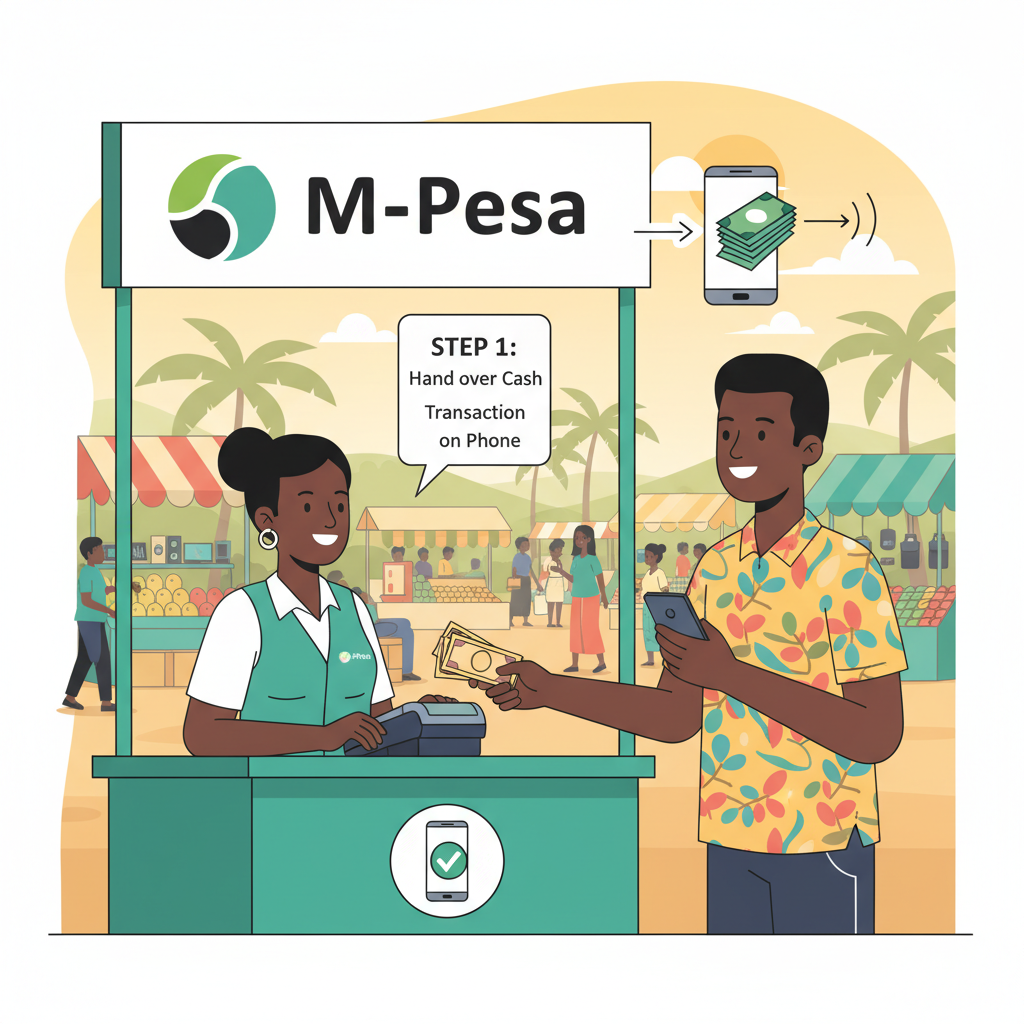

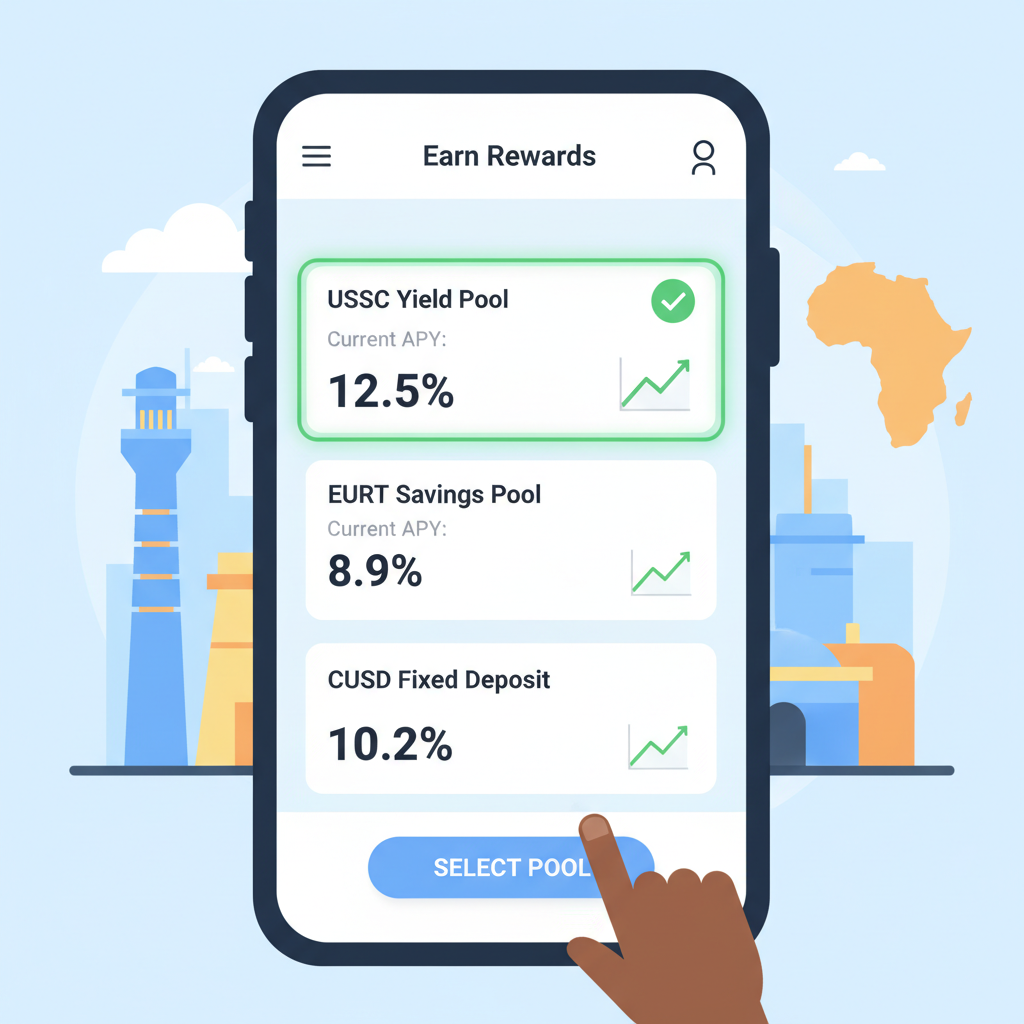
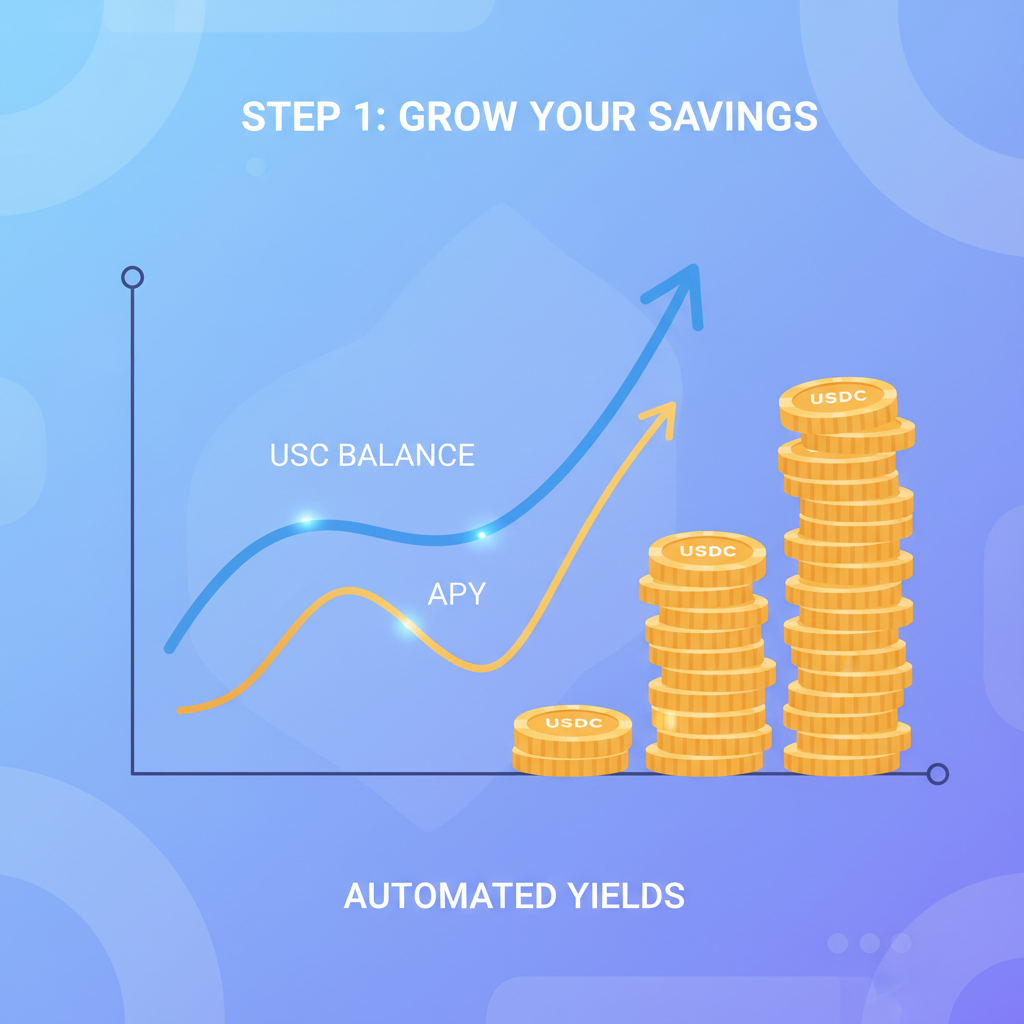
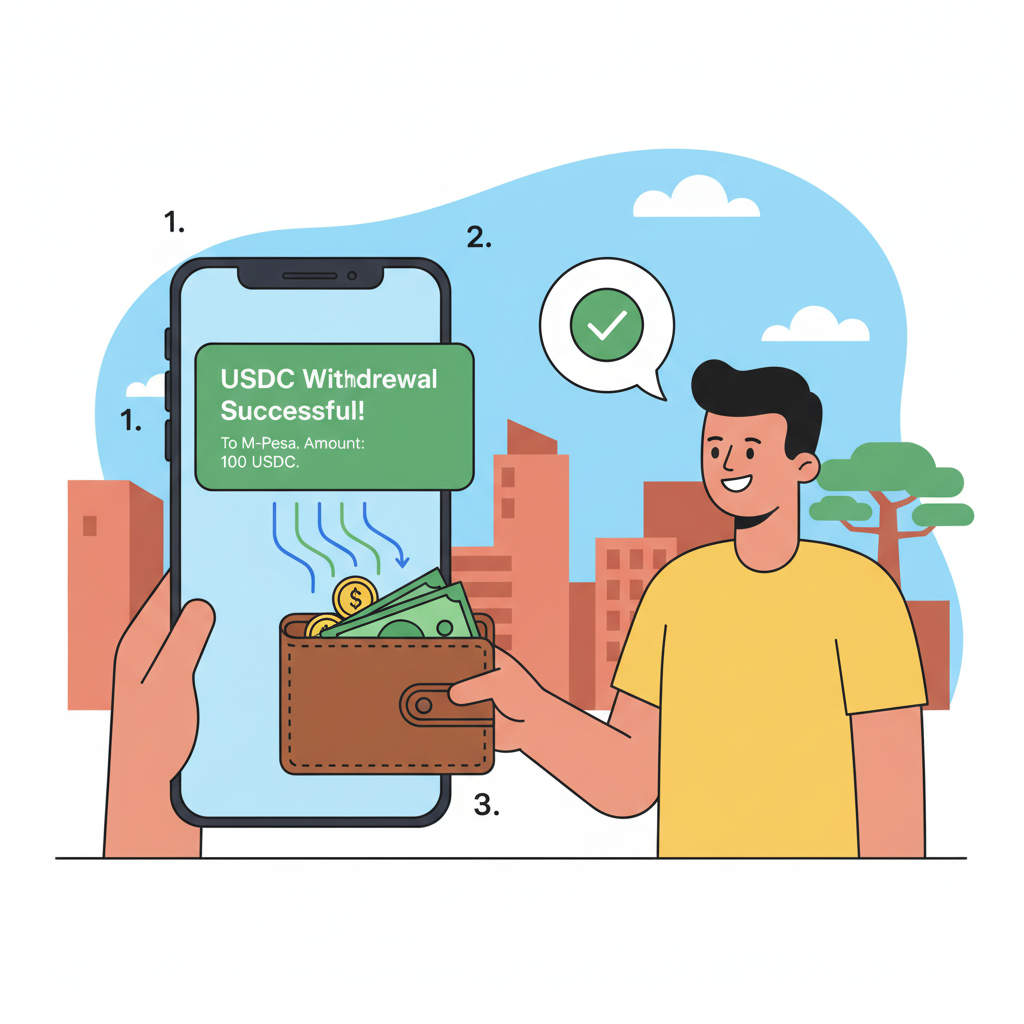
Once deposited, yields accrue daily, often hitting 12-15% on flexible terms. I recommend starting small to test the waters, then scaling as confidence builds. This approach has powered thousands of users toward financial sovereignty, blending M-Pesa's ubiquity with DeFi's firepower.
Risks Balanced, Rewards Amplified: Smart Choices in Africa's USDC Boom
No yield comes risk-free, yet regulated platforms minimize pitfalls. Custodial options like Nexo offer insurance up to $375 million, while decentralized Aave demands self-custody savvy. In Kenya, VASP licensing enforces transparency; Nigeria's SEC rules curb rogue operators. Watch for smart contract vulnerabilities or peg slips, but USDC's $0.0184 bridged variant on Fantom shows resilience amid volatility, down just 0.001610% in 24 hours.
| Platform | APY Range | Risk Mitigator | Mobile Fit |
|---|---|---|---|
| AfricaStableSave | 12-16% | M-Pesa direct | Excellent |
| Yellow Card | 10-14% | Local cash-out | High |
| Kotani Pay | 9-13% | Instant convert | Seamless |
Diversify across these to smooth returns. My analysis of 2026 yield curves favors hybrid strategies: 60% flexible for liquidity, 40% locked for bonus APYs. This shields against naira shocks while capturing upside from rising adoption.
For high yield stablecoin Nigeria users, P2P entry points via TradingView-sourced marketplaces keep fees under 1%, funneling straight to savings pools. Kenyans benefit from M-Pesa's scale, processing trillions to underpin stablecoin flows. Stablecoins aren't just hedges; they're engines accelerating wealth in digital economies.
Looking ahead, expect deeper fusions: Onafriq's wallet network could standardize USDC across 40 countries, slashing remittance times to seconds. Abu Dhabi's dirham play hints at multi-currency yields, but dollar-pegged USDC holds the edge for global parity. Platforms like ours will refine algorithms, pushing APYs higher as TVL swells.
Africans aren't waiting for banks to catch up. From Lagos markets to Nairobi streets, mobile USDC savings rewrite the rules, delivering stablecoin yields M-Pesa integration that compounds resilience into riches. Deposit today, and join the vanguard building tomorrow's prosperity, one yield at a time.


No comments yet. Be the first to share your thoughts!