
Earn High-Yield USDC Savings on M-Pesa in Kenya 2026: Mobile Money Rates Guide
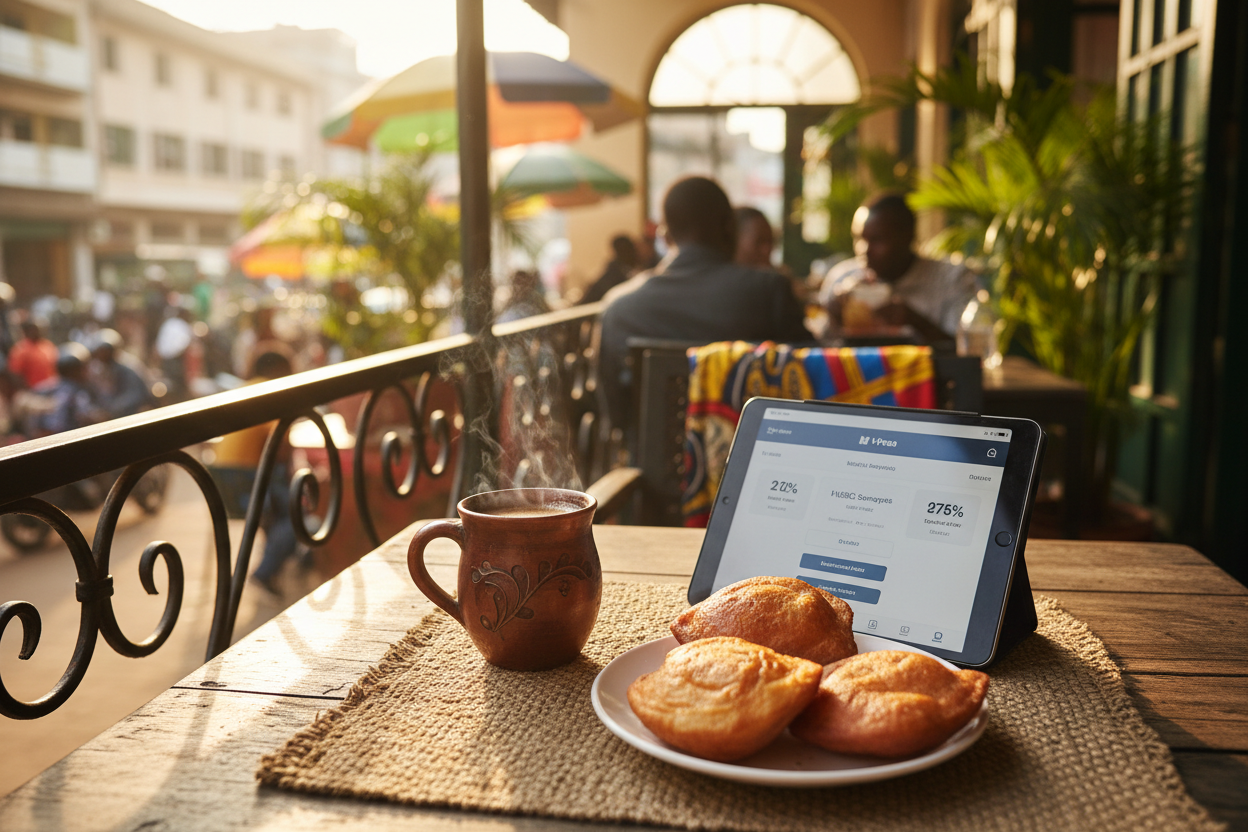
Kenyans wield M-Pesa like a superpower, transacting over 60% of GDP through this mobile money juggernaut. In 2026, with stablecoin volumes exploding – Kenya alone processed $3.3 billion last year – eyes turn to USDC savings integrated with M-Pesa. Yet regulations block direct interest on mobile balances. Enter hybrid platforms bridging the gap, offering yields on USDC while tapping M-Pesa’s reach for deposits and off-ramps. As an Irish portfolio manager tracking African commodity cycles, I see USDC as a hedge against shilling volatility, correlating neatly with export booms in tea and horticulture.

This Multichain Bridged USDC on Fantom trades at $0.0169, up 0.0133% in 24 hours, highlighting niche opportunities in bridged assets amid broader stablecoin adoption. Standard USDC remains the go-to for savings, but these variants signal deepening blockchain ties. Platforms now enable freelancers to cash USDC into M-Pesa instantly, slashing remittance costs by 85%. Tech-savvy youth, numbering millions, drive this shift, positioning Kenya as a global stablecoin leader.
M-Pesa’s Unrivaled Dominance Fuels Stablecoin Momentum
M-Pesa isn’t just a service; it’s Kenya’s financial spine, leapfrogging banks with no-account-needed access on feature phones. Frontier Fintech notes Africa has run on stablecoin-like infrastructure via mobile money for years. Now, with ADI Foundation’s January 2026 partnership deploying blockchain across eight countries including Kenya, 60 million users edge onchain. This isn’t hype – it’s strategic infrastructure aligning M-Pesa’s scale with USDC’s stability.
Consider the numbers: USDC claims 9.9% transaction share in Africa, trailing USDT but growing fast per CIO Africa. In Kenya, Mercy Corps pilots via Kotani convert USDC to shillings seamlessly. My medium-risk playbook advises allocating 20-30% of portfolios to such yields, diversified against commodity dips. High-yield USDC savings on mobile money could yield 5-10% APY through compliant DeFi pools, far outpacing zero-interest M-Pesa balances.
Regulatory Realities and Pathways to USDC Yields
National Payment System Regulations since 2014 bar interest on M-Pesa holdings, funneling gains to charities. Direct high-yield USDC savings via M-Pesa? Not yet. But workarounds thrive. Minisend’s upgrades let users spend USDC at M-Pesa till numbers for daily needs. TransFi enables instant USDC-to-M-Pesa for freelancers, automating settlements.
Inevitably, this evolves. South Africa’s regulatory clarity sets precedent; Kenya’s tech youth and M-Pesa’s blockchain pivot suggest yields incoming. Platforms like AfricaStableSave bridge mobile money to USDC pools, offering competitive rates optimized for volatile economies. Deposit via M-Pesa, earn on USDC, withdraw to local currency – all seamless. Correlate this with 2026 commodity upcycles: stronger shilling exports boost disposable income for savings.
Unlocking High-Yield Strategies for Kenyan Savers
For USDC savings M-Pesa Kenya seekers, start with on-ramps like Kotani or Minisend. Receive freelance pay in USDC at ~$1 peg (bridged variants like Fantom’s $0.0169 offer arbitrage plays for pros). Stake in audited protocols yielding 4-8%, beating inflation. My CFA lens spots risks: depegging events, though rare for USDC, demand diversification.
Stablecoin savings Kenya 2026 demands medium-risk plays. M-Pesa USDC deposits via hybrids compound wealth effortlessly. As Africa leads global stablecoin volumes, Kenyan savers stand first in line.
USDC Price Prediction 2027-2032
Maintaining ~$1 Peg Amid M-Pesa Integration and African Stablecoin Adoption Scenarios
| Year | Minimum Price | Average Price | Maximum Price |
|---|---|---|---|
| 2027 | $0.98 | $0.995 | $1.02 |
| 2028 | $0.985 | $1.00 | $1.015 |
| 2029 | $0.99 | $1.00 | $1.01 |
| 2030 | $0.992 | $1.00 | $1.008 |
| 2031 | $0.995 | $1.00 | $1.005 |
| 2032 | $0.997 | $1.00 | $1.003 |
Price Prediction Summary
USDC is forecasted to robustly maintain its $1 peg through 2032, with tightening fluctuation ranges as M-Pesa and African fintech integrations drive demand and liquidity. Minimums reflect bearish depeg risks from regulatory hurdles or market stress, while maximums capture bullish premiums from hedging against local inflation and adoption surges. Average stability at $1.00 underscores its reliability as a savings vehicle in Kenya.
Key Factors Affecting USD Coin Price
- M-Pesa blockchain partnerships enhancing USDC on-ramps and seamless conversions
- Rising African stablecoin transaction volumes (e.g., Kenya’s $3.3B+ annually) supporting peg liquidity
- Regulatory developments in Kenya/South Africa favoring stablecoins over volatile crypto
- Competition from USDT but USDC’s growth in payments (9.9-14.5% market share)
- Hedging demand against shilling/Naira devaluation amid mobile money dominance
- Crypto market cycles with improved stablecoin infrastructure reducing depeg risks
Disclaimer: Cryptocurrency price predictions are speculative and based on current market analysis.
Actual prices may vary significantly due to market volatility, regulatory changes, and other factors.
Always do your own research before making investment decisions.
Hybrid platforms like AfricaStableSave. com stand at the forefront, revolutionizing USDC savings M-Pesa Kenya by channeling mobile money into high-yield stablecoin pools. Tailored for Africa’s digital economy, these solutions deposit via M-Pesa, grow USDC at competitive rates, and off-ramp to shillings without friction. In my 14 years managing commodities and crypto, I’ve seen volatile currencies erode wealth; USDC counters that, especially as Kenyan exports cycle upward.
Unlock High-Yield USDC Savings from M-Pesa: 4 Strategic Steps
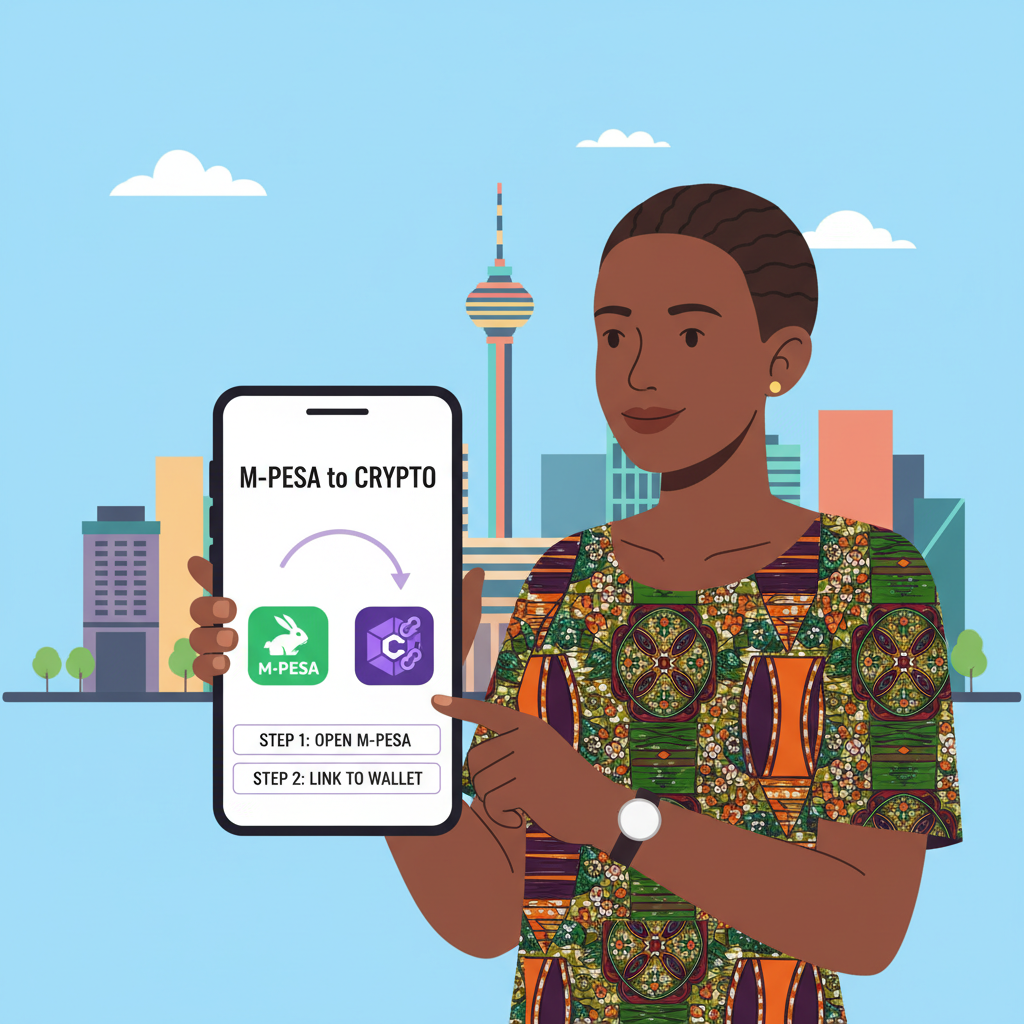
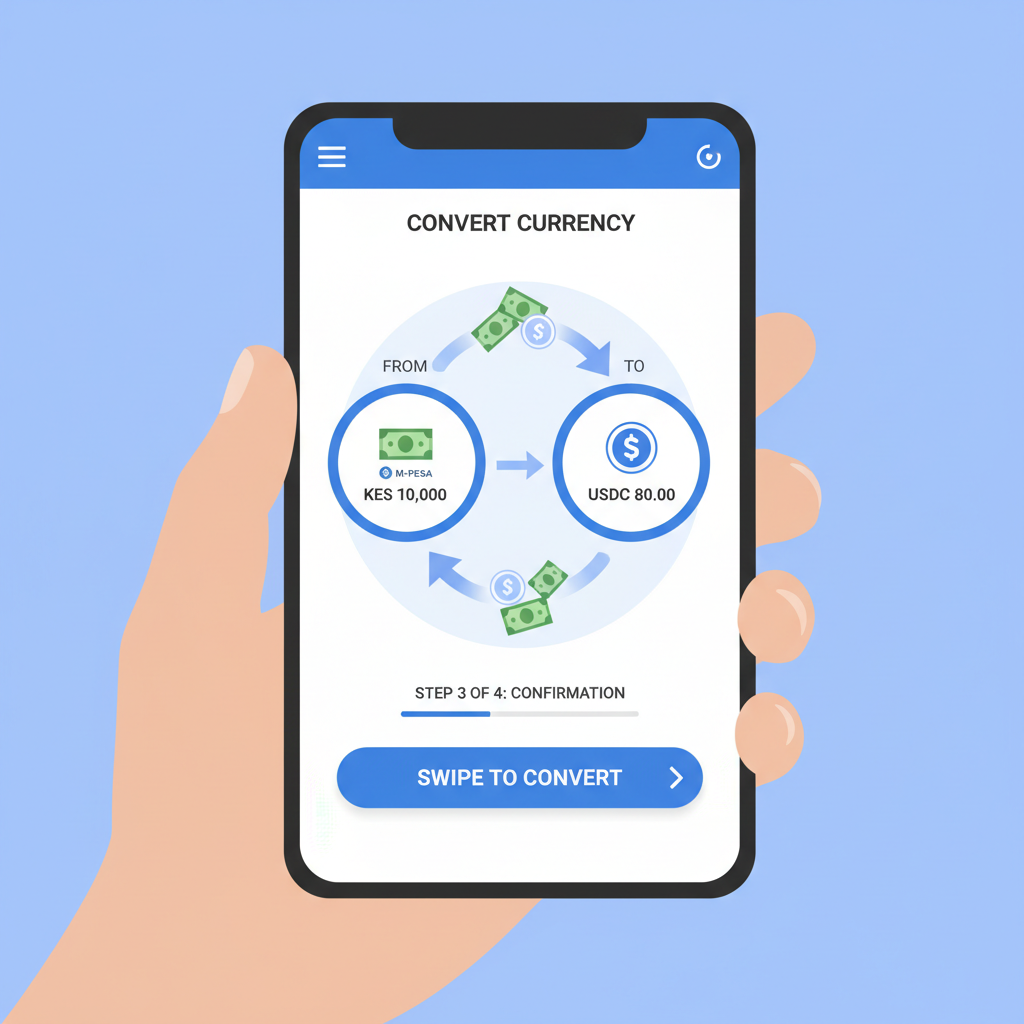

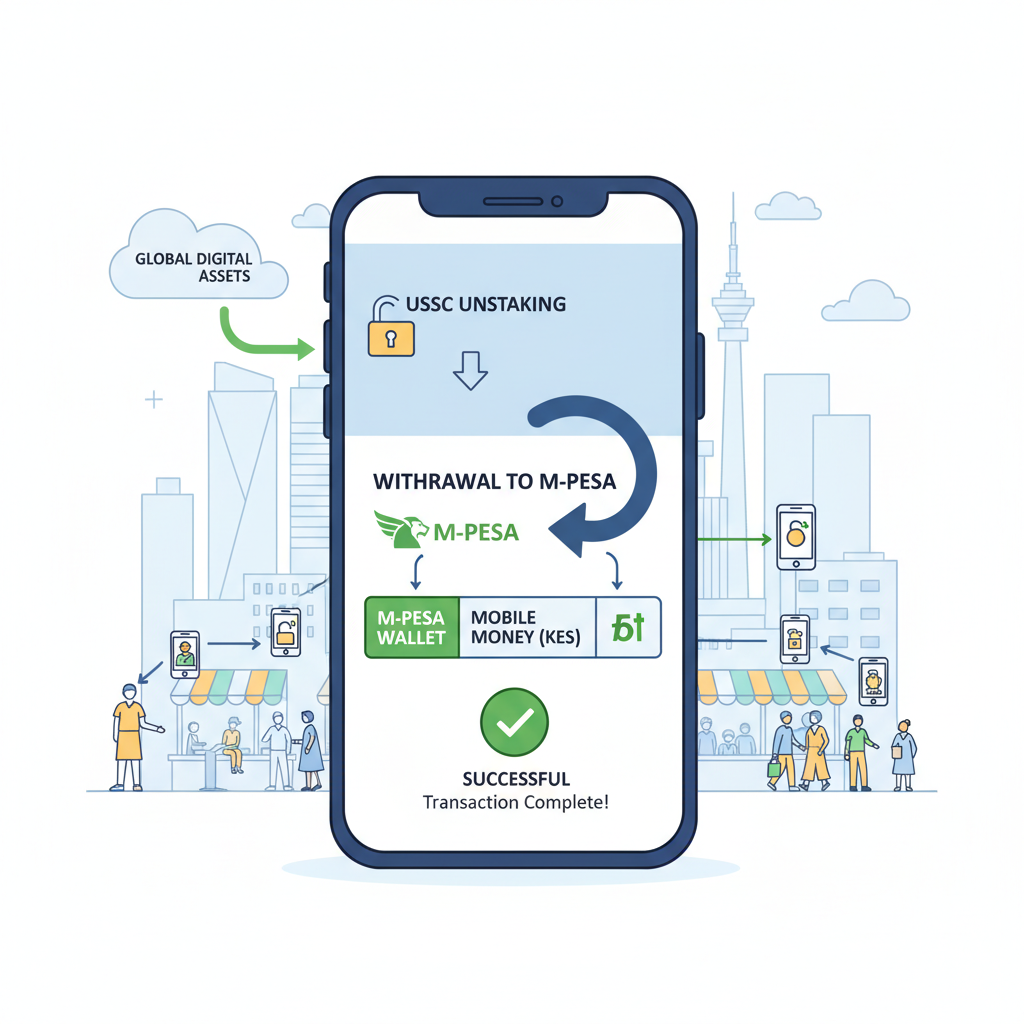
Freelancers and remitters already cash in. TransFi’s instant USDC-to-M-Pesa flows power gig economies, while Minisend handles everyday spends at till numbers. People Daily credits Kenya’s top stablecoin status to M-Pesa’s ecosystem and youth drive. Yet yields? Compliant DeFi bridges deliver 5-10% APY, audited and insured, far from M-Pesa’s zero. My playbook: ladder maturities, blending short-term liquidity with locked higher rates.
Platforms Powering High-Yield USDC Mobile Money
Africa’s fintech surge, per Transak’s 2026 report, spotlights stablecoin payments overtaking legacy rails. RebelFi notes M-Pesa’s 60% GDP dominance pairs with Nigeria’s crypto adoption and South Africa’s regs for continent-wide momentum. Kenya processes billions in stablecoins yearly, 85% cheaper than wires, via Medium’s Impact Newswire. TradingView’s coverage of Mercy Corps’ Kotani pilot proves the USDC-to-shilling path works for savings pilots.
Key USDC-M-Pesa Platforms 2026
-

Kotani: Facilitates USDC-to-M-Pesa conversions and savings pilots, powering Mercy Corps’ Kenya program for stablecoin accessibility.
-

Minisend: Enables direct USDC spending via M-Pesa till and paybill numbers for seamless everyday transactions in Kenya.
-

TransFi: Offers instant USDC-to-M-Pesa conversions for freelancer payments and company settlements in Kenya.
These aren’t gimmicks; they’re infrastructure. ADI Foundation’s M-Pesa blockchain rollout connects 60 million users onchain, per GlobeNewswire. Moneyweb highlights USDC as a shilling hedge. CIO Africa’s data shows USDC’s 14.5% USD volume share rising. For high yield USDC mobile money, allocate amid commodity booms – tea prices firming in 2026 bolster savers’ inflows.
Navigating Risks in Stablecoin Savings Kenya 2026
No yield without scrutiny. Regulations cap direct M-Pesa interest, but hybrids skirt via offshore pools. Depegging? USDC’s track record shines, unlike riskier tokens. Bridged variants like Multichain USDC on Fantom at $0.0169 tempt arbitrage, but stick to native for safety. Liquidity risks fade with M-Pesa’s instant off-ramps. My CFA analysis: cap exposure at 30%, rebalance quarterly against KES swings.
Jonathan Katz on LinkedIn nails it – mobile money leapfrogged the West, now crypto amplifies. Substack’s Frontier Fintech sees ZARU and Lesaka paving similar paths. Kenyan savers, diversify to thrive: 50% USDC yields, 30% local bonds, 20% commodities. This medium-risk mix weathers volatility.
As stablecoin volumes lead globally from Africa, Kenya’s M-Pesa fusion unlocks generational wealth. Platforms evolve daily, yields compound, and blockchain infrastructure solidifies. Position now: bridge mobile money to USDC, ride the upcycle, secure your edge in the digital economy.