
High-Yield USDC Savings via Mobile Money Wallets in Nigeria 2026

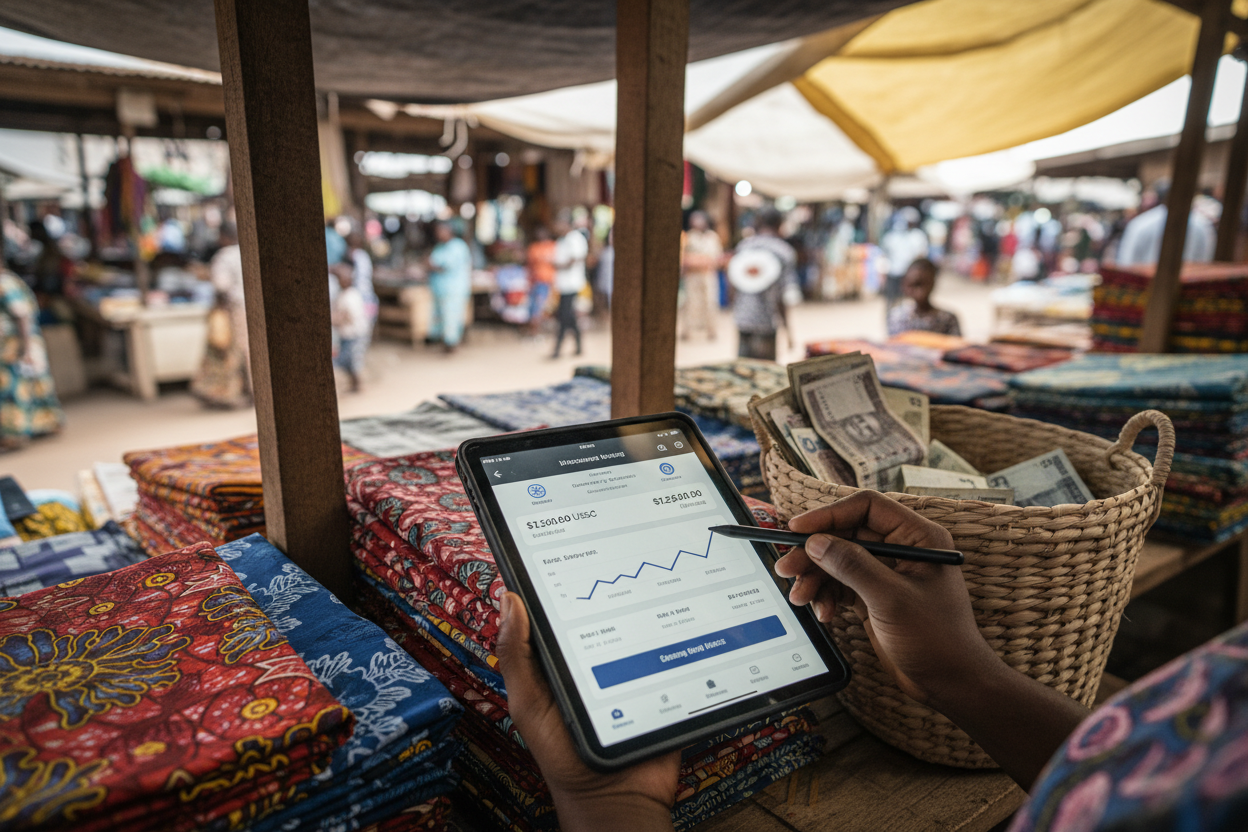
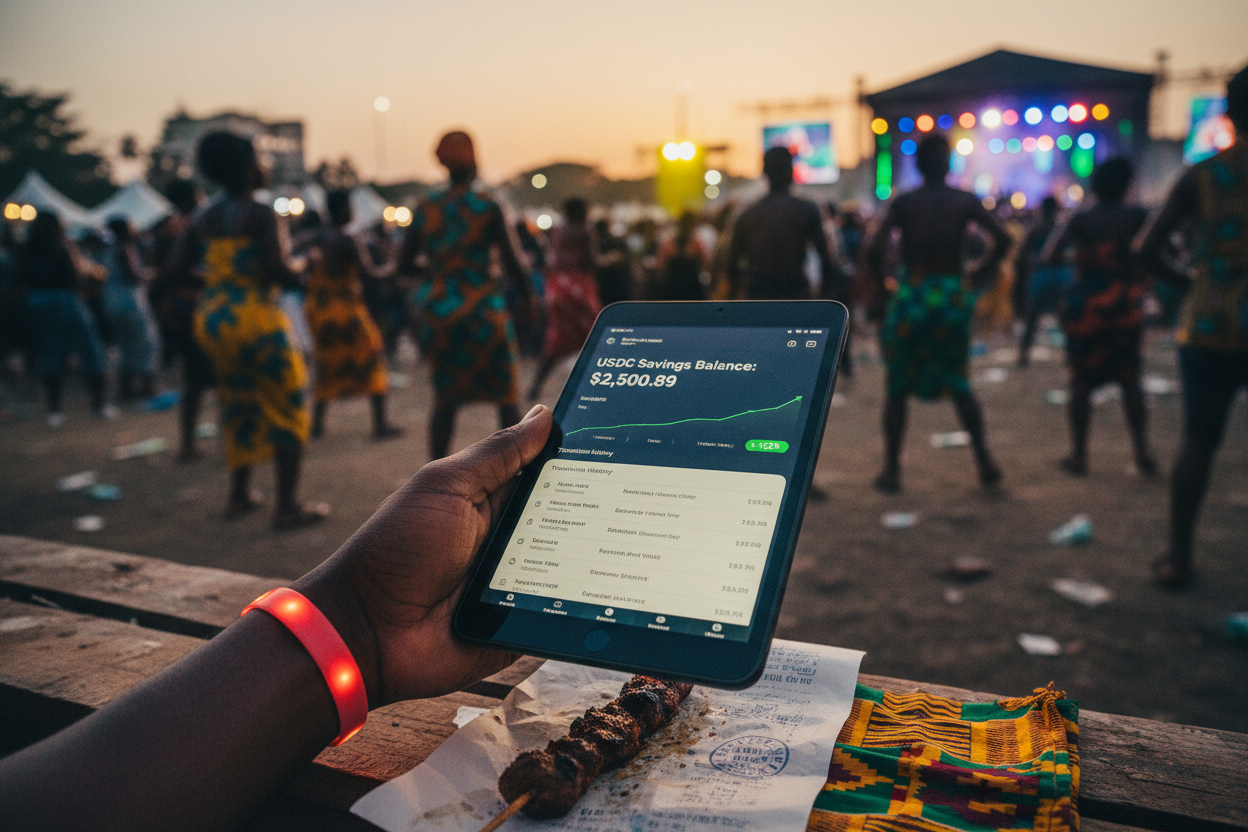
In Nigeria’s high-stakes economic environment of 2026, where the Central Bank of Nigeria holds the benchmark interest rate steady at 27% to battle lingering inflation, savers face a stark choice: cling to depreciating naira balances or pivot to dollar-pegged stability. Mobile money wallets, now gateways to high yield stablecoin Nigeria options, are reshaping this dilemma. Platforms bridging USDC with local services like OPay and PalmPay offer yields far surpassing traditional banks, often 10-20% APY, while shielding against currency swings. This fusion of familiarity and innovation positions USDC savings Nigeria as a cornerstone for wealth preservation amid projected naira stabilization.

The allure intensifies with Africa’s dominance in stablecoin uptake. Reports highlight Nigeria, Kenya, and South Africa in the global top 25 for adoption, driven by local currency volatility and dollar scarcity. A staggering 79% of Africans report current or recent stablecoin holdings, outpacing every other region. From Lagos traders to diaspora remitters, USDC flows via peer-to-peer marketplaces and regulated fintechs, converting seamlessly to naira without the friction of bank wires. This isn’t hype; it’s daily reality, accelerated by tokenised USD trends revolutionizing cross-border payments for treasury and personal use.
Nigeria’s Mobile Money Boom Meets USDC Liquidity
Mobile money penetration in Nigeria exceeds 50 million users, with platforms like Paga and MTN MoMo leading the charge. Yet, yields on naira savings hover below 10%, dwarfed by inflation’s bite. Enter mobile money USDC deposit solutions: apps like Centry enable remittances in USDC, boasting superior liquidity on Binance and Remitly alternatives. While USDT edges ahead for sheer volume, USDC’s transparency and regulatory backing make it ideal for savings products. Superteam Nigeria spotlights innovators like FlipeetPay, leveraging USDC for seamless transactions, and Nectar Finance, a DeFi neobank delivering high-yield savings with global utilities, all accessible via SMS or app.

AfriTokeni’s whitepaper underscores this shift, detailing tiered fees and mobile money integrations for SMS-accessible crypto banking. Corporates, raising N1.61 trillion in commercial papers last year, signal corporate hunger for stable yields too. The CBN’s survey forecasts easing rates and naira steadiness, but individuals won’t wait provides USDC mobile wallet Africa setups provide immediate hedges, often yielding more than the 27% policy rate after fees.
Unlocking Superior Yields on USDC Through Proven Platforms
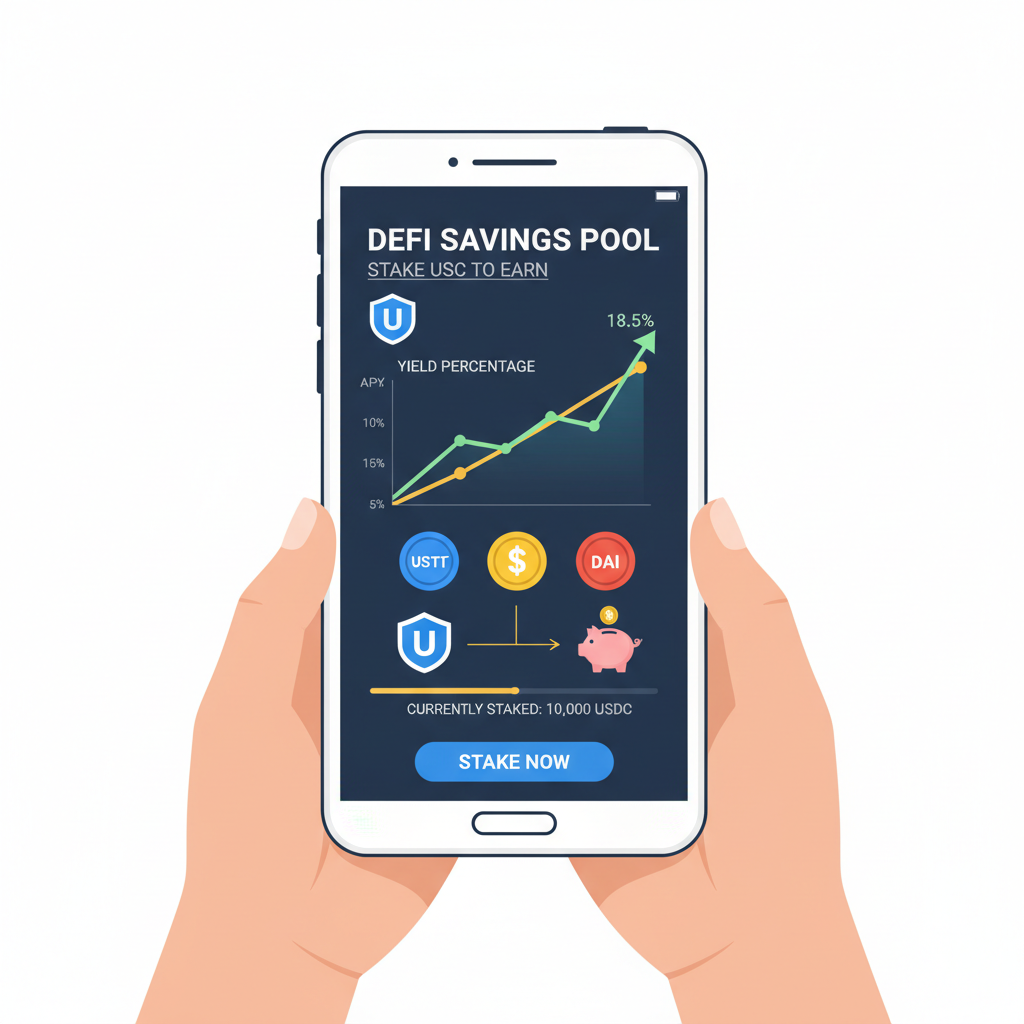
Earning on USDC demands precision, blending DeFi efficiency with custodial safety. Top protocols shine: Aave offers variable rates around 8-12% with no lockups, Nexo guarantees up to 12% on flexible terms, and Kraken blends CeFi security with 6-10% payouts. Local twists amplify appeal, Nectar Finance tailors for Nigerians, integrating mobile top-ups for instant USDC deposits. Risks? Custody and smart contract vulnerabilities persist, but diversified strategies mitigate them. Compare lockups: Aave’s none versus Nexo’s optional boosts for higher APY.
USD Coin (USDC) Price Prediction 2027-2032
Forecasts for USDC price stability amid Nigerian mobile money adoption, high-yield savings (15-20% via Nectar), remittances growth, and global stablecoin trends
| Year | Minimum Price | Average Price | Maximum Price | YoY % Change (Avg) | Market Scenario |
|---|---|---|---|---|---|
| 2027 | $0.96 | $0.99 | $1.03 | 0.0% | Bearish: Regulatory scrutiny; Bullish: Nigeria remittance boom |
| 2028 | $0.97 | $1.00 | $1.04 | +1.0% | Stable peg with Africa adoption; minor depeg risk from CBN policies |
| 2029 | $0.98 | $1.00 | $1.03 | -0.0% | Tech improvements tighten peg; competition from USDT |
| 2030 | $0.98 | $1.00 | $1.02 | +0.0% | Tokenized USD trends; high yields sustain demand |
| 2031 | $0.99 | $1.00 | $1.02 | +0.0% | Regulatory clarity boosts confidence; mobile wallet integration |
| 2032 | $0.99 | $1.00 | $1.01 | +0.0% | Mature market; tight peg with global treasury use |
Price Prediction Summary
USDC is projected to maintain a tight $1.00 peg through 2032, with minor deviations reflecting depegging risks, regulatory developments, and surging demand in Nigeria/Africa for high-yield savings and remittances. Average price stable at $1.00, supported by Circle’s reserves and DeFi yields (Aave/Nexo/Nectar 10-20%).
Key Factors Affecting USD Coin Price
- Stablecoin peg maintenance amid high Nigerian inflation (CBN rate 27%) and naira volatility
- Growing adoption via mobile wallets (Nectar, Centry, FlipeetPay) and P2P platforms
- Regulatory progress in Nigeria/US enhancing trust
- Competition from USDT but USDC gains in DeFi yields and remittances
- Technology: Multichain bridges, tokenization for payments
- Risks: Depegging events, custody issues, geopolitical factors
Disclaimer: Cryptocurrency price predictions are speculative and based on current market analysis.
Actual prices may vary significantly due to market volatility, regulatory changes, and other factors.
Always do your own research before making investment decisions.
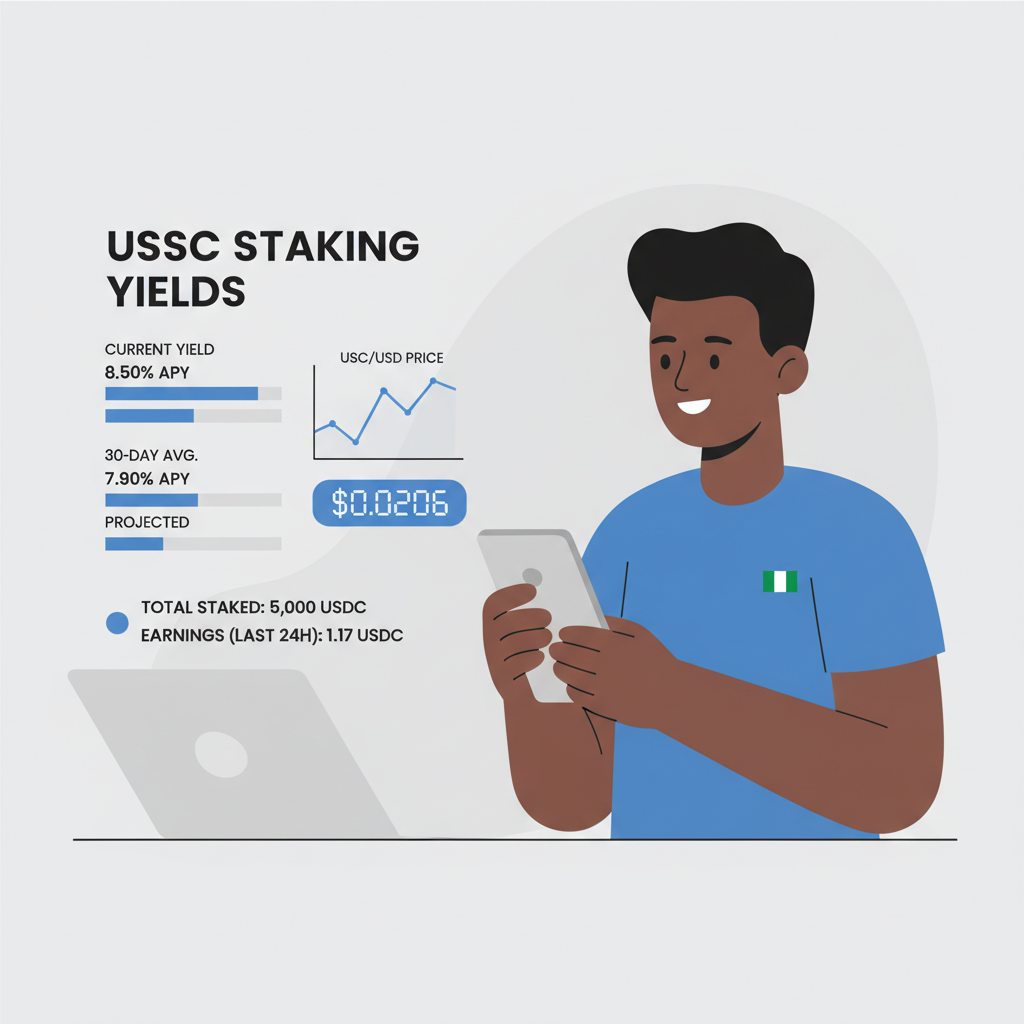
Visual price action reveals USDC’s resilience; even bridged variants like Multichain on Fantom hold at $0.0206, up 0.0361% in 24 hours despite volatility. For Nigerian users, this stability underpins stablecoin savings mobile money products, where deposits via wallet convert to USDC pools generating compounded returns. Thunes predicts tokenised USD dominating payments, with Africa’s P2P networks as the vanguard. Mobile banks like Chipper Cash embed these features, comparing favorably to neobanks globally.
Strategic Entry Points for Nigerian Savers
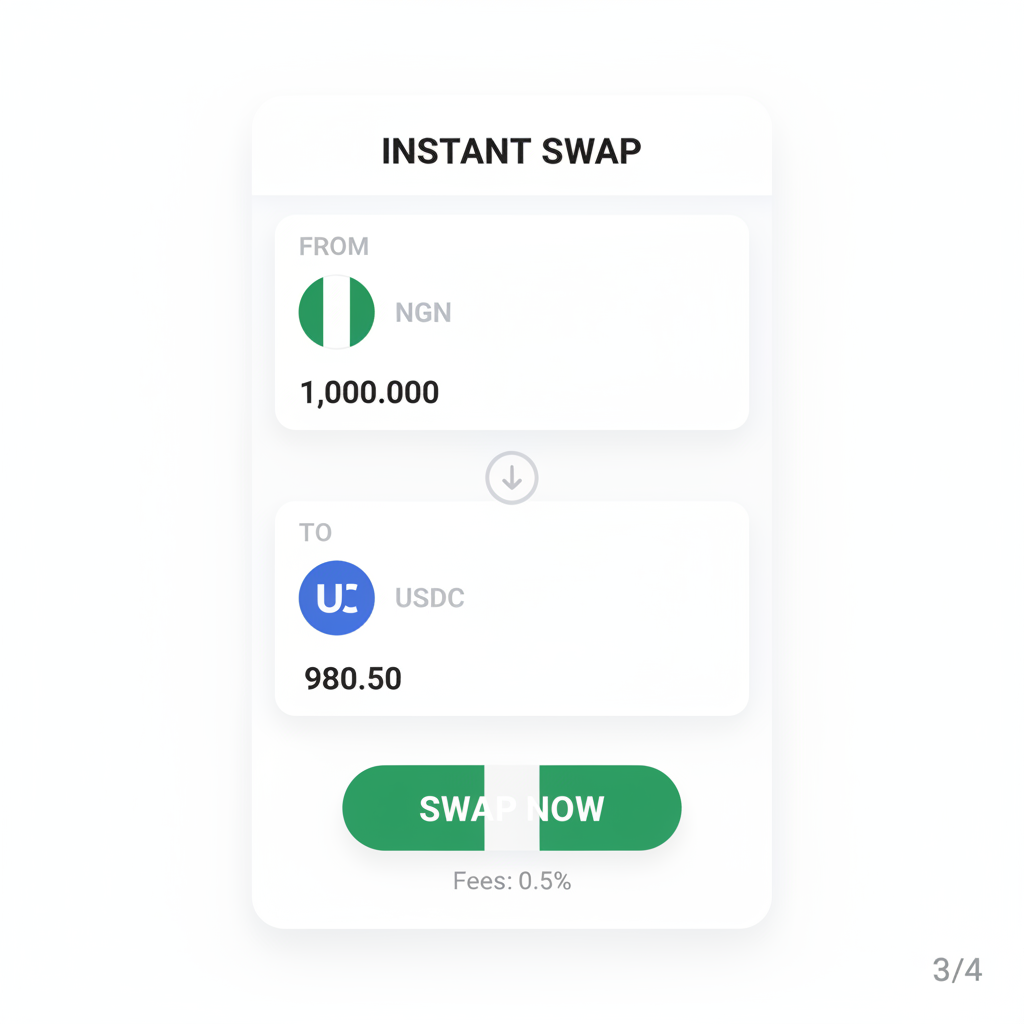
Getting started mirrors everyday mobile top-ups: fund your wallet, swap to USDC via integrated exchanges, and stake in yield farms. Platforms prioritize compliance, navigating CBN guidelines post-2024 tightenings. Yields compound daily, outpacing naira fixed deposits amid easing inflation. Diaspora inflows, favoring USDC for remittances, supercharge liquidity, convert via Binance P2P at minimal spreads. This ecosystem, from Nairobi to Lagos, thrives on regulated fintechs, bypassing legacy banks’ hurdles.
individuals won’t wait; USDC mobile wallet Africa setups provide immediate hedges, often yielding more than the 27% policy rate after fees.
For Nigerian savers eyeing these opportunities, platforms like AfricaStableSave. com stand out, bridging mobile money wallets directly to high-yield USDC pools. Tailored for the continent’s digital economy, it delivers competitive APYs through secure, audited protocols, with effortless naira on-ramps via OPay or Palmpay. This isn’t just another app; it’s a precision tool for compounding wealth amid CBN’s steady 27% rate and forecasted naira calm.
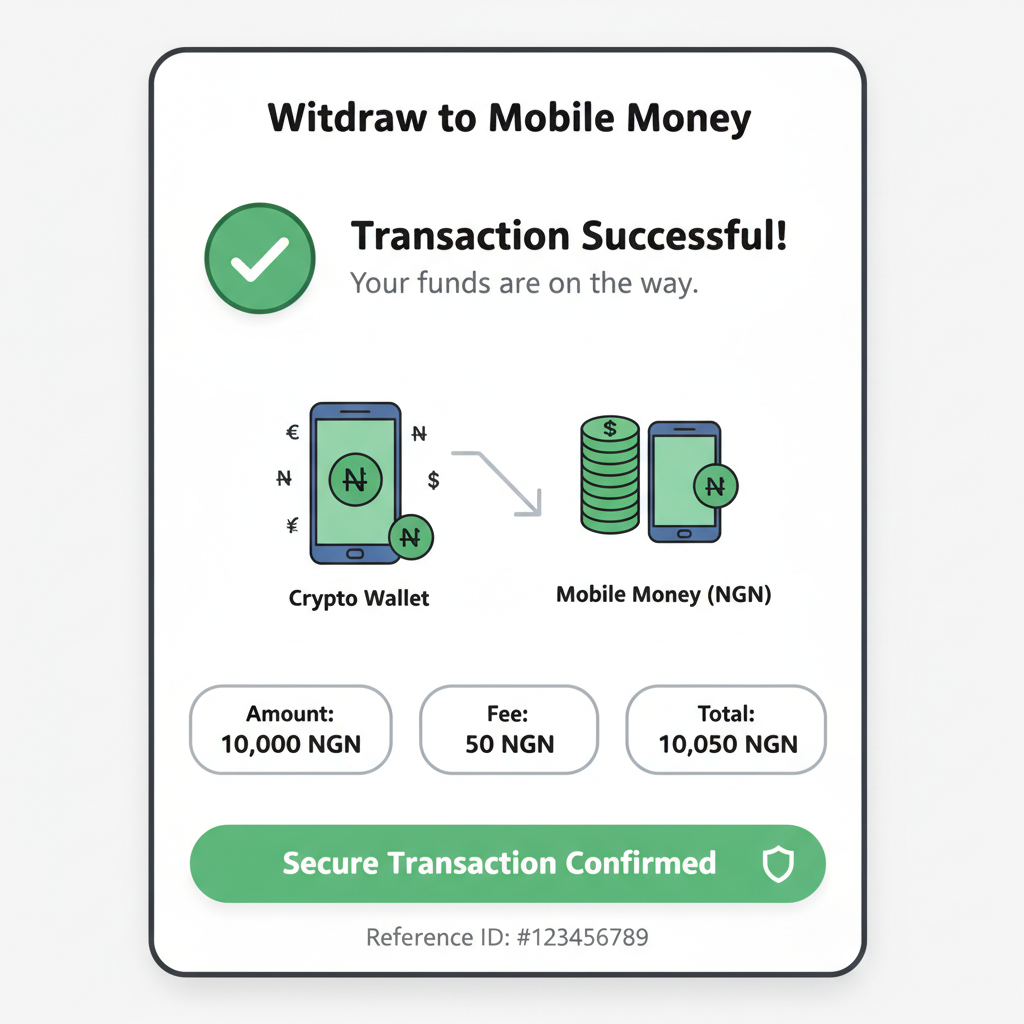
Naira to High-Yield USDC: 5-Step Savings Guide on AfricaStableSave

Navigating Risks in High-Yield Stablecoin Savings
Precision demands acknowledging pitfalls. Smart contract exploits, though rare post-2025 audits, underscore the need for insured platforms. Custody risks favor non-custodial options like Aave, where users retain keys, over CeFi like Nexo despite its guarantees. In Nigeria, regulatory flux post-CBN’s 2024 pivot adds scrutiny; compliant apps like AfricaStableSave. com embed KYC seamlessly, aligning with global standards. Volatility in bridged USDC, such as Multichain on Fantom at precisely $0.0206 with a 0.0361% 24-hour gain, tests peg stability, yet core USDC chains remain rock-solid. Diversify across protocols, cap exposure at 20-30% of portfolio, and monitor via on-chain analytics to sidestep downturns.
Africa’s P2P dominance, from Lagos exchanges to Kenyan fintechs, amplifies liquidity but invites slippage; stick to volume leaders like Binance P2P for tight spreads. Corporate trends mirror this: N1.61 trillion in papers signals yield hunger, yet stablecoins outpace with lower barriers. Thunes forecasts tokenised USD as payment kings, with Nigeria’s 79% ownership rate fueling adoption over legacy systems.
USDC Savings Advantages
-
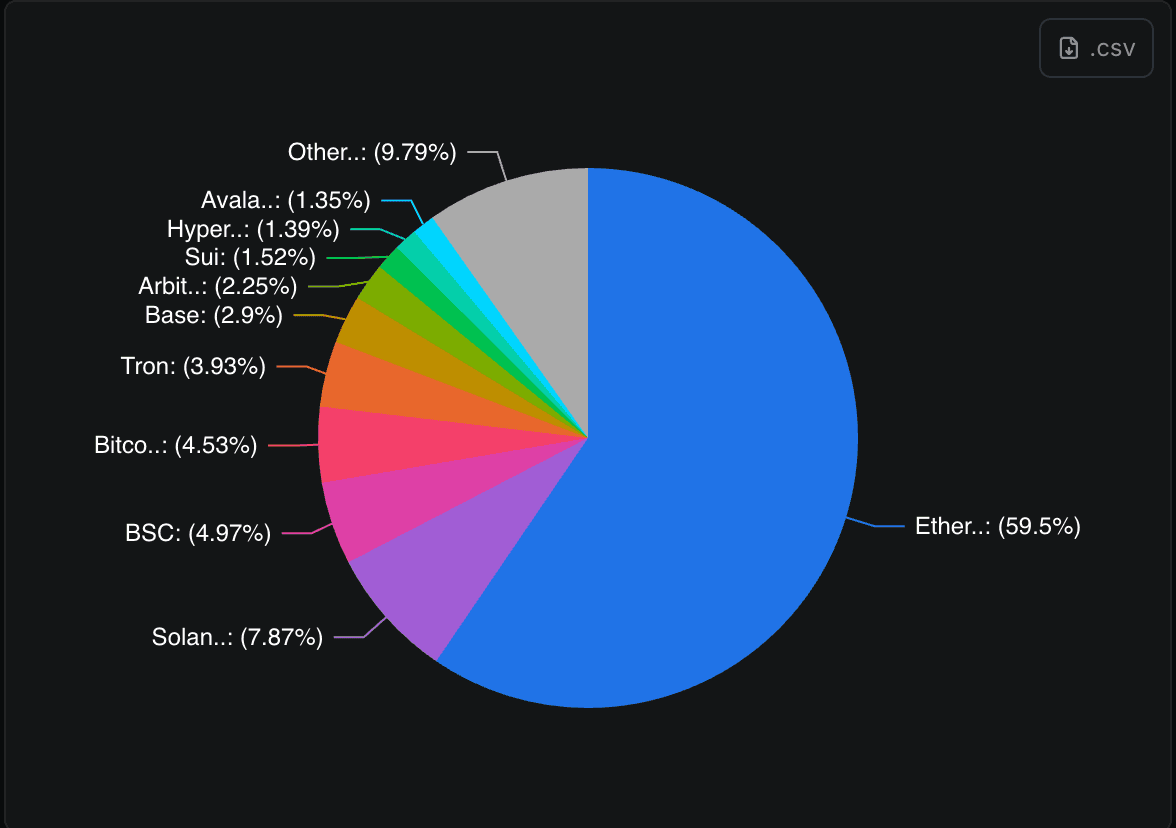
15% APY vs. 10% Naira: Higher yields on USDC via platforms like Aave, Nexo, outperforming traditional Naira savings amid 27% CBN rate.
-

Inflation Hedge: USDC pegged to USD protects against Naira volatility and high inflation, as Africa leads global stablecoin adoption.
-
Instant Remittances: Fast, low-cost USD transfers via Centry App or Binance P2P, ideal for Nigeria’s remittance market.
-

SMS Access: Manage USDC savings through mobile money wallets with simple SMS, enhancing accessibility in Nigeria.
-
Compliant Off-Ramps: Regulated conversions to Naira on platforms like Binance, ensuring secure cash-outs.
Chart Patterns Signaling USDC Strength in Emerging Markets
As a CMT charterholder dissecting crypto price action, I spot bullish flags in USDC’s visuals. Multi-year ascending triangles on weekly charts, breaking resistance near $1 equivalents, confirm uptrends amid fiat woes. In Nigeria, volume spikes on mobile deposits correlate with naira dips, forming reliable cup-and-handle bases for yield entries. Fantom’s bridged USDC at $0.0206 exemplifies micro-resilience, its 24-hour low of $0.0197 rebounding sharply. For savers, these patterns guide optimal staking windows, favoring platforms with auto-compound features like AfricaStableSave. com.
Mobile money giants like MTN MoMo and Paga evolve, embedding stablecoin savings mobile money amid 50 million users. Superteam innovators like Nectar Finance extend this, blending DeFi yields with neobank perks. Intuit’s USDC push in accounting tools hints at mainstream treasury shifts, positioning Nigeria’s top-25 adoption as a yield frontier.
Savers blending these insights craft resilient strategies. Deposit via familiar wallets, harvest yields exceeding 27% benchmarks, and off-ramp to stabilizing naira. Africa’s stablecoin lead, 76% intent to own more, propels this shift. Platforms prioritizing transparency and integration, especially AfricaStableSave. com, empower users to thrive in 2026’s blend of high rates and crypto rails. Technical setups align for sustained growth, rewarding the vigilant with compounded gains over eroded fiat.