Why stablecoins beat traditional savings
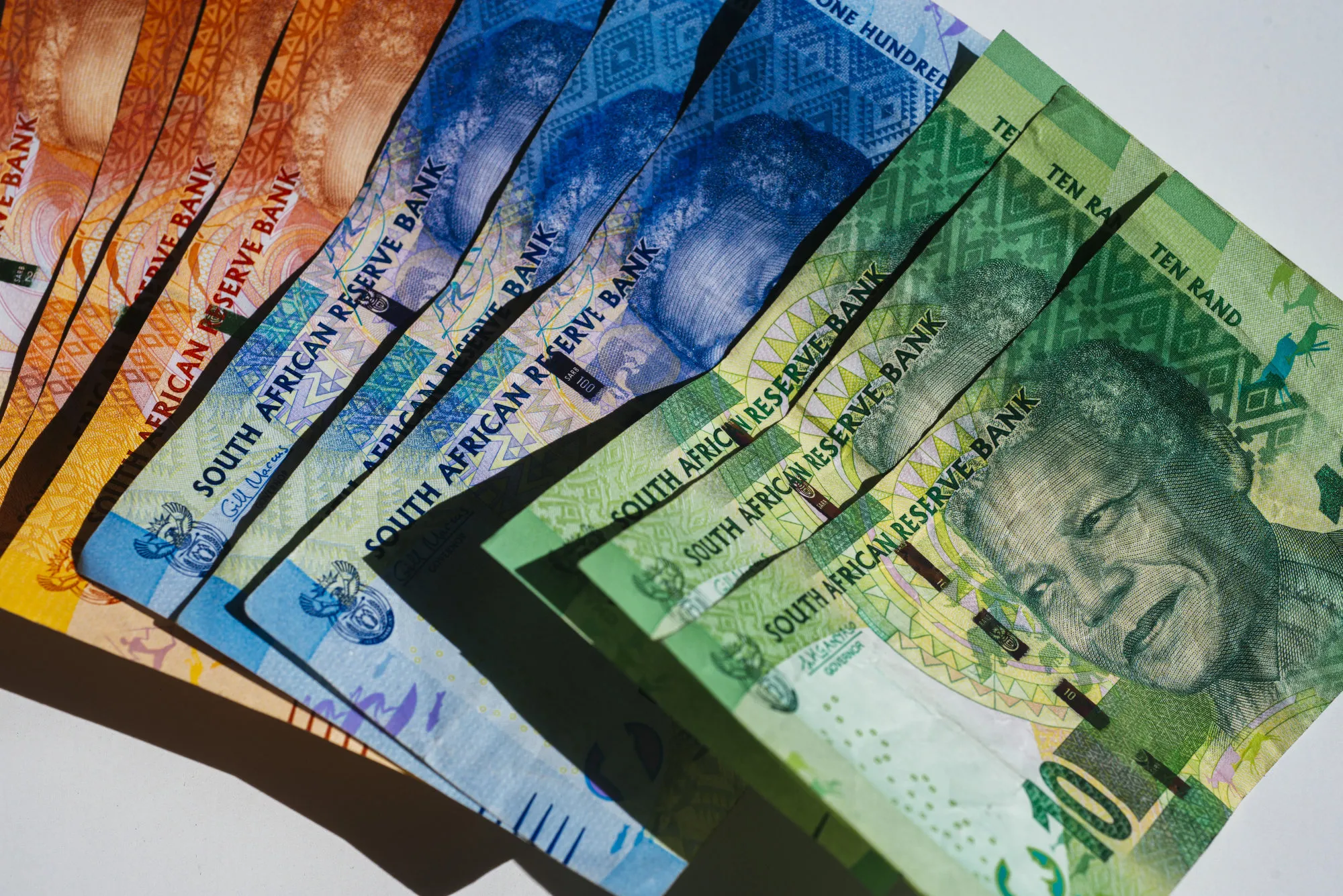
For savers across the continent, keeping wealth in local currency is a slow leak. Inflation and currency devaluation erode purchasing power faster than most traditional accounts can compensate. The result is a quiet loss of billions, as Standard Chartered Bank noted in 2025, with emerging market banks facing significant outflows as digital assets gain traction. This shift highlights the economic urgency for an Africa stable save strategy that protects value rather than letting it dissolve.
Stablecoins offer a direct alternative to this erosion by pegging savings to the US dollar. While traditional banks may offer nominal interest, the real return is often negative when adjusted for local inflation. By holding USDC, savers maintain purchasing power parity with global markets. This is not about speculation; it is about preserving the value of hard-earned income against volatile exchange rates.
The macroeconomic impact is substantial. According to The Banker, if just 25% of African remittance flows shifted to stablecoin transfers, the continent could save $4.8bn annually. This capital retention allows families and businesses to invest in productive assets rather than fighting currency depreciation. For individuals, this means savings that actually grow or at least remain stable, providing a financial buffer that local instruments often fail to deliver.
The transition requires understanding the regulatory landscape and choosing reliable platforms. However, the baseline benefit is clear: stability. In an environment where local currencies fluctuate wildly, the dollar-pegged stability of USDC provides a predictable foundation for future planning. This is the core advantage driving the adoption of digital savings tools across the region.
Best USDC savings platforms for 2026
Selecting the right platform for an Africa Stable Save requires balancing regulatory compliance, liquidity access, and yield reliability. Unlike traditional banking, where capital controls can restrict access to funds, stablecoin infrastructure offers a transparent ledger. However, the lack of deposit insurance means users must vet the counterparty risk of each protocol.
The platforms listed below are selected for their accessibility to African users, their track record in providing yield on USDC, and their adherence to standard compliance frameworks. Always verify the current Terms of Service and jurisdictional availability before depositing funds.
1. Binance Earn
Binance remains a primary entry point for many African traders due to its deep liquidity and localized support. The "Binance Earn" section offers flexible and locked staking options for USDC. Flexible savings allow withdrawals at any time, while locked products offer higher APYs for fixed terms.
Key Advantage: High liquidity and widespread availability across African markets make it a reliable entry point for beginners. Risk note: Regulatory scrutiny varies by country. Ensure your jurisdiction allows crypto savings products.
2. Bybit Earn
Bybit has expanded its savings offerings to include simple and flexible USDC deposits. The platform is known for its user-friendly interface, which simplifies the process of moving funds between trading accounts and savings wallets. Yield rates fluctuate based on market demand for borrowing.
Key Advantage: Intuitive interface and competitive rates for short-term holdings. Risk note: Check the current APY, as it changes daily based on market conditions.
3. Nexo
Nexo is a dedicated crypto lending platform that offers instant loans against crypto holdings and savings interest on deposited assets. It provides a clear breakdown of interest rates and allows users to withdraw USDC interest daily or compound it. Nexo emphasizes regulatory compliance and has undergone various audits.
Key Advantage: Daily interest payouts and loan options against saved assets provide liquidity without selling. Risk note: Focuses on lending; counterparty risk is inherent to the business model.
4. Crypto.com
Crypto.com offers "Crypto Earn" for USDC, allowing users to lock their assets for 1, 3, 6, or 12 months. Higher APYs are generally available for longer lock-up periods. The platform also offers a Visa card that rewards users with CRO, which can be useful for spending savings in everyday transactions.
Key Advantage: Integrated ecosystem with card rewards and multi-term lock options. Risk note: Lock-up periods restrict access to principal during the term.
5. Aave (Decentralized)
For users prioritizing self-custody, Aave is a leading decentralized finance (DeFi) protocol. Users can supply USDC directly from their personal wallet (e.g., MetaMask) to earn variable interest rates based on supply and demand. There is no central company to go bankrupt, but smart contract risk remains.
Key Advantage: True self-custody and transparency via the blockchain. Risk note: Requires technical knowledge to manage gas fees and wallet security.
Essential Tools for Secure Savings
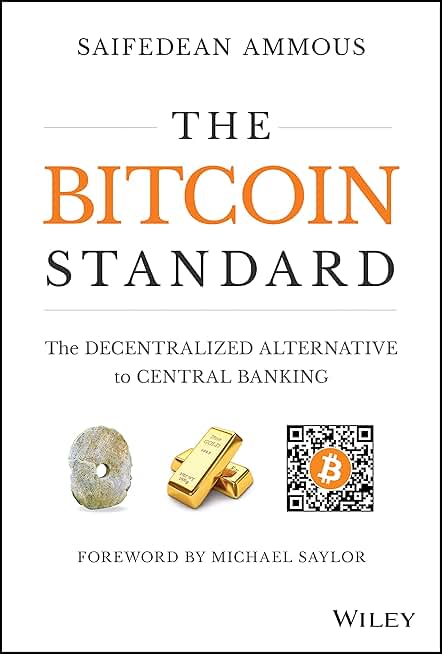
Managing stablecoins requires secure storage and educational resources. The following tools and books can help you maintain security and understand the regulatory landscape.



As an Amazon Associate, we may earn from qualifying purchases.
Comparing yields and fees
Selecting the right platform for an Africa Stable Save requires more than looking at the headline APY. Regulatory compliance, liquidity constraints, and fee structures significantly impact the net return on your USDC holdings. Below is a structured comparison of key metrics to help you evaluate your options against current market standards.
| Platform | APY | Min. Deposit | Withdrawal Fee |
|---|---|---|---|
| Aave V3 | ~4.5% (variable) | No minimum | Network gas only |
| Compound V3 | ~3.8% (variable) | No minimum | Network gas only |
| Centrifuge | ~5.2% (fixed/variable) | $100 | 1% (early exit) |
| Maple Finance | ~6.0% (variable) | $10,000 | None |
Note that APYs for these Africa Stable Save tools are variable and fluctuate based on market demand. Platforms like Aave and Compound offer high liquidity with no minimums, making them suitable for smaller, flexible savings. In contrast, institutional-grade platforms like Maple Finance require larger capital commitments but may offer higher yields.
Always verify the latest fee schedules directly on the platform’s official documentation. Regulatory changes in African jurisdictions can also impact withdrawal accessibility, so check current price and policy updates before committing funds.
Regulatory safety and compliance
When you choose an Africa Stable Save platform, regulatory standing is your first line of defense. Unlike traditional bank accounts, many stablecoin savings tools operate in a gray area across different African jurisdictions. This means the safety of your funds depends heavily on whether the platform holds proper licenses or operates under recognized financial technology frameworks.
Start by verifying if the platform is registered with your local financial regulator, such as the Central Bank of Nigeria or the Financial Sector Conduct Authority in South Africa. Look for explicit mentions of compliance with anti-money laundering (AML) and know-your-customer (KYC) protocols. Platforms that are transparent about their regulatory filings are generally safer than those that operate anonymously or offshore without local ties.
The African Institute for Financial Regulation and Innovation (AIR) provides resources on stablecoin readiness across the continent. Their framework emphasizes financial stability and consumer protection, offering a benchmark for what a compliant platform should look like. Use these official guidelines to evaluate whether a provider is prioritizing user safety over rapid, unregulated expansion.
If a platform cannot clearly state which regulatory body oversees its operations, treat it as a high-risk option. In the high-stakes environment of digital savings, regulatory clarity is not just a formality—it is the foundation of trust.
Frequently asked questions about Africa stable save tools
Is stablecoin savings legal in Africa? Regulatory frameworks vary significantly by jurisdiction. While some nations actively support digital asset innovation, others maintain strict capital controls. Always verify local compliance requirements before using any Africa stable save platform.
How does USDC compare to traditional sou-sou? Traditional sou-sou relies on social trust within a closed group. USDC offers digital transparency and global liquidity, though it introduces counterparty risk with the issuing entity. It is not a direct substitute for community-based savings but rather a different vehicle for preservation.
Can I withdraw my savings instantly? Most USDC savings tools allow near-instant transfers to compatible wallets. However, withdrawal to local bank accounts may involve processing delays or fees depending on the provider’s banking partners. Check current processing times before relying on these funds for immediate needs.
What happens if the stablecoin loses its peg? USDC is designed to maintain a 1:1 ratio with the US dollar, but de-pegging events are possible during market stress. Diversifying across multiple savings tools or holding a portion in local currency can mitigate this specific risk.
Are there minimum deposit requirements? Many digital savings platforms have no minimum deposit, making them accessible for small-scale savers. However, network transaction fees (gas) may make very small deposits economically inefficient. Evaluate the cost relative to your savings goal.
No comments yet. Be the first to share your thoughts!