Why stablecoins matter now
Local currency volatility has made traditional savings accounts risky for millions of Africans. When inflation spikes or exchange rates shift, the value of money held in local banks can evaporate quickly. Stablecoins offer a way to hold savings in a currency that doesn't lose value overnight. By pegging their price to the US dollar, these digital tokens provide a shield against the erratic swings of currencies like the Nigerian naira or the South African rand.
This utility has driven adoption rates that outpace the rest of the world. According to BVNK's Stablecoin Utility Report 2026, 79% of crypto-active users in Africa hold stablecoins, leading global adoption rates. This isn't speculative trading; it's practical financial management. People are using these tools to protect their purchasing power in real time.
The demand is concentrated in the continent's largest economies. A 2026 Reuters report highlights that Nigeria and South Africa are driving the strongest growth in stablecoin demand. In these markets, stablecoins have moved from niche experiments to essential tools for everyday savings and cross-border payments, offering stability where local options often fail.
Top stablecoin picks for 2026
Stablecoins offer a digital refuge from the volatility that has historically plagued African currencies. For savers, the goal is simple: hold a currency pegged to a hard asset, like the US dollar, while keeping transaction costs low. In 2026, two tokens dominate the landscape as the most reliable vehicles for preserving wealth across the continent.
USDC (USD Coin)
USDC stands out for its transparency and regulatory alignment. Issued by Circle, a US-based financial technology company, every token is backed by cash and short-dated US Treasury bonds. This structure provides a level of auditability that appeals to both individual savers and institutional investors navigating Africa’s evolving regulatory frameworks.
For users in countries with strict financial oversight, USDC’s compliance-first approach offers peace of mind. It is widely accepted on major exchanges and increasingly integrated into local payment rails, making it a practical choice for those seeking stability without sacrificing liquidity.
USDT (Tether)
USDT remains the most liquid stablecoin in Africa, particularly in high-volume markets like Nigeria and Kenya. Its deep integration into peer-to-peer (P2P) trading platforms makes it the default choice for cross-border remittances and daily commerce. Despite occasional debates over reserve composition, its market dominance ensures that users can almost always find a counterparty for trades.
The trade-off is transparency. While USDT has improved its reporting, USDC’s clear audit trail makes it a safer harbor for long-term savings. Savers should weigh the need for maximum liquidity against the desire for regulatory clarity.
Secure Your Savings
Holding stablecoins requires the same vigilance as holding physical cash or gold. If you plan to store significant value, a hardware wallet is non-negotiable. These devices keep your private keys offline, protecting your savings from online hacks and phishing attempts.


As an Amazon Associate, we may earn from qualifying purchases.
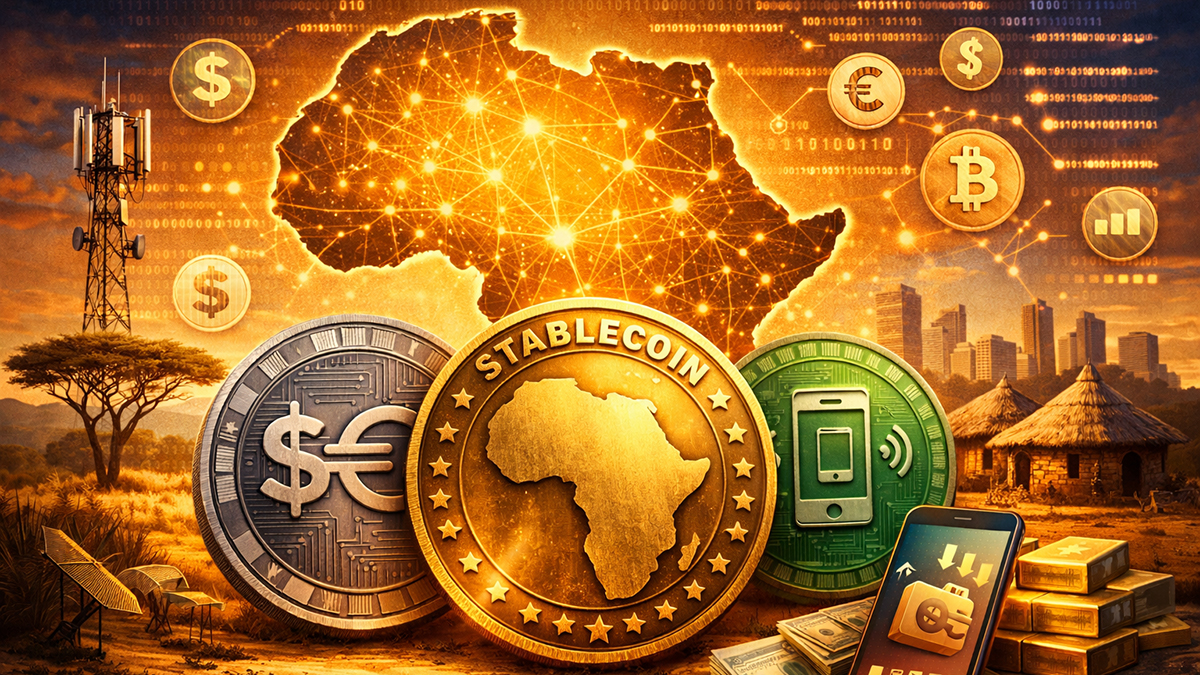
The image below illustrates the growing momentum of stablecoin adoption across African fintech ecosystems, highlighting the infrastructure shifts that make these tools viable for everyday savings.
How to choose a safe platform
Best Stablecoins for Savings in Africa works best as a clear sequence: define the constraint, compare the realistic options, test the tradeoff, and choose the path with the fewest hidden costs. That order keeps the advice usable instead of decorative. After each step, pause long enough to check whether the recommendation still fits the reader's actual situation. If it depends on perfect timing, unusual access, or a best-case budget, include a simpler fallback.
| Factor | What to check | Why it matters |
|---|---|---|
| Fit | Match the option to the primary use case. | A good deal still fails if it does not fit the job. |
| Condition | Verify age, wear, and service history. | Hidden condition issues erase upfront savings. |
| Cost | Compare purchase price with likely upkeep. | The cheapest option is not always the lowest-cost option. |
Regulatory landscape updates
Use this section to make the Best Stablecoins for Savings in Africa decision easier to compare in real life, not just on paper. Start with the reader's actual constraint, then separate must-have requirements from details that are merely nice to have. A practical choice should survive normal use, maintenance, timing, and budget. If a recommendation only works in an ideal situation, call that out plainly and give the reader a fallback path.
The simplest way to use this section is to write down the must-have criteria first, then compare each option against those criteria before weighing nice-to-have features.
Secure your savings safely
Use this section to make the Best Stablecoins for Savings in Africa decision easier to compare in real life, not just on paper. Start with the reader's actual constraint, then separate must-have requirements from details that are merely nice to have. A practical choice should survive normal use, maintenance, timing, and budget. If a recommendation only works in an ideal situation, call that out plainly and give the reader a fallback path.
-
Verify the basicsConfirm the core specs, condition, and fit before comparing extras.
-
Price the downsideLook for the repair, maintenance, or replacement cost that would change the decision.
-
Compare alternativesCheck at least two comparable options before treating one listing as the benchmark.
No comments yet. Be the first to share your thoughts!