Why Africa needs stablecoin savings
For many households across the continent, traditional banking offers little protection against the erosion of purchasing power. Persistent inflation in major economies has pushed citizens toward digital dollar savings as a practical survival mechanism. While local currencies fluctuate, stablecoins like USDC and USDT provide a direct link to the US dollar, allowing users to preserve wealth without the volatility of Bitcoin or Ethereum.
This shift is not merely speculative; it is driven by necessity. Africa currently leads the world in stablecoin adoption, with the continent accounting for 9.3% of global usage. This dominant position reflects a widespread reliance on digital assets for both daily transactions and long-term value storage, particularly in regions where access to stable foreign currency is limited.
The regulatory landscape is evolving rapidly as governments attempt to keep pace with this explosion in usage. While some nations are developing frameworks to integrate these assets, others remain cautious. For the average user, however, the choice often comes down to accessibility and security. USDC, issued by Circle, is frequently preferred for its transparency and regulatory compliance, offering a safer alternative to less regulated tokens in an environment where trust in financial institutions can be fragile.
As remittance flows and local savings increasingly move on-chain, the role of stablecoins extends beyond simple savings. They serve as a bridge to the global economy, enabling faster, cheaper transfers and providing a hedge against local currency devaluation. Understanding the specific products available is the first step in navigating this new financial reality.
Best platforms for mobile USDC access
Holding USDC on a mobile device offers immediate liquidity, but it requires careful selection of the underlying platform. For African users, the priority is finding services that are not only accessible but also compliant with local financial regulations. The following platforms are recognized for their mobile-first design and regional availability.
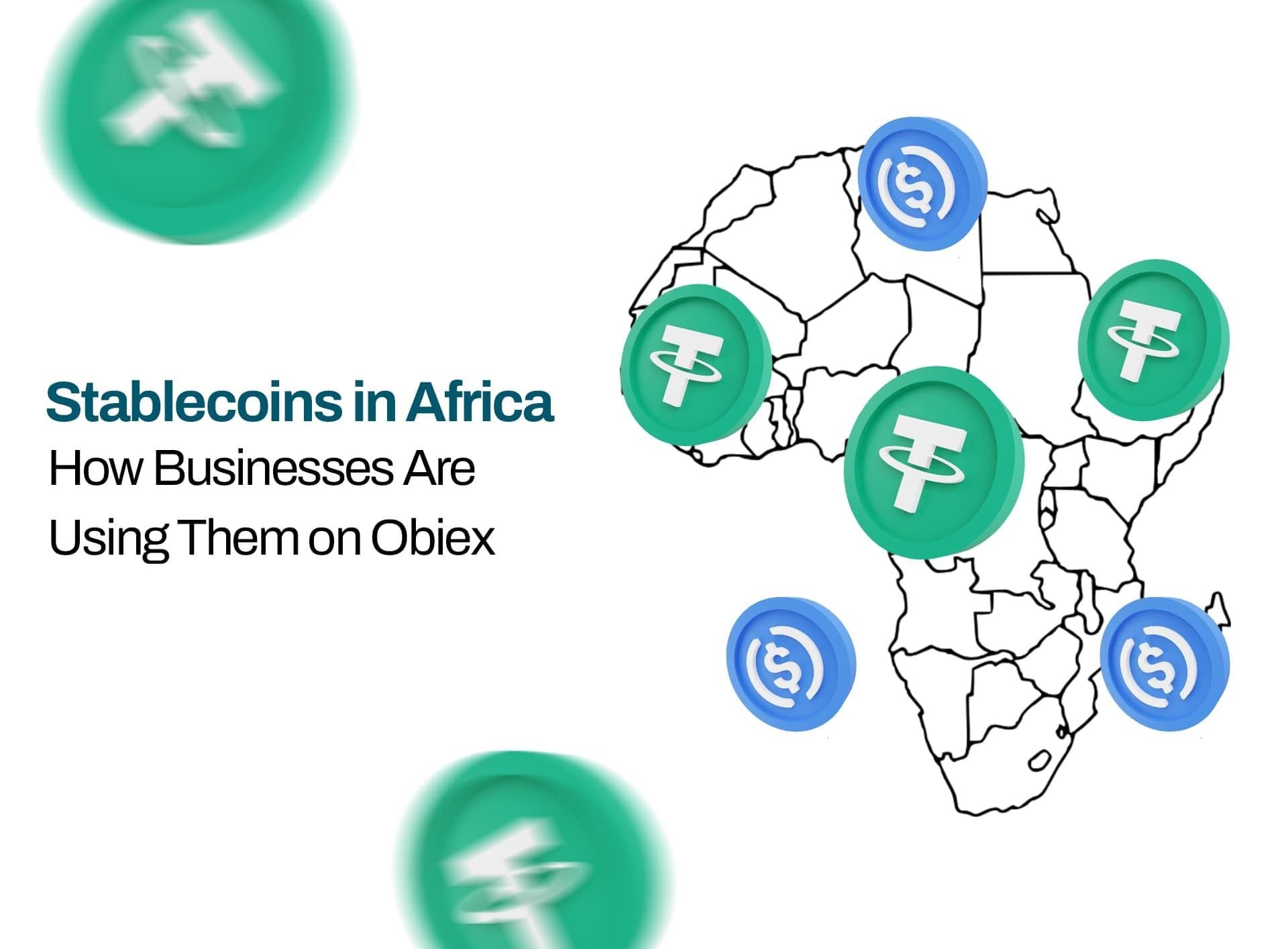
Obiex operates as a regulated digital asset exchange in South Africa. It provides a dedicated mobile application that allows users to buy, sell, and hold USDC. The platform is registered with the South African Reserve Bank, which adds a layer of regulatory oversight. This makes it a suitable option for users in South Africa who prioritize compliance alongside ease of use.
Yellow Card is a pan-African cryptocurrency exchange with a strong presence in Kenya, Nigeria, Ghana, and other markets. Its mobile app is designed for high-volume trading and stablecoin transfers. The platform integrates with local payment methods, allowing users to fund their accounts via mobile money or bank transfers. It is widely used for both personal savings and business transactions.
Binance offers a peer-to-peer (P2P) marketplace that is accessible via its mobile app. While Binance itself may face regulatory restrictions in some African jurisdictions, its P2P platform allows users to trade USDC directly with other individuals. This method can bypass some banking friction, but users must exercise caution to verify the reputation of their trading partners. It is best used by experienced traders who understand the risks of off-exchange settlements.
For users who require physical security for larger holdings, mobile access should be complemented by cold storage solutions. Hardware wallets provide an offline environment for storing USDC, protecting it from online threats.


As an Amazon Associate, we may earn from qualifying purchases.
When choosing a platform, verify that it adheres to local anti-money laundering (AML) and know-your-customer (KYC) regulations. The African Institute for Financial Research and Regulation (AIR) has published frameworks to help countries advance stablecoin readiness while prioritizing financial stability. Users should consult official regulatory sources to ensure the platform they choose is operating within the legal boundaries of their country.
Compare yield rates and fees
Choosing a USDC product for inflation protection requires balancing potential returns against the friction of moving money. While some platforms advertise high annual percentage yields (APY), others prioritize low fees and immediate liquidity. The right choice depends on whether you are holding capital for long-term preservation or need frequent access for transactions.
The table below compares the three most accessible platforms for African users seeking USDC stability. Data reflects current market offerings as of late 2024. Always verify the latest terms on the provider’s official site, as crypto yields fluctuate daily.
| Platform | Est. APY | Withdrawal Fee | Fiat Support |
|---|---|---|---|
| Yellow Card | 0% - 5% | Variable by network | NGN, KES, GHS |
| Binance | Up to 10% | Fixed fee (varies) | Multi-currency |
| Bybit | Up to 15% | Network dependent | Multi-currency |
Higher yields often come with lock-up periods or staking requirements that reduce liquidity. For example, Bybit and Binance may offer double-digit APYs, but these typically require you to commit your USDC for a set duration. Yellow Card, while often offering lower yields on spot holdings, integrates more directly with local fiat on-ramps, making it easier to convert savings back to local currency when needed.
Verify regulatory compliance before depositing funds
When protecting savings against inflation, regulatory standing is your primary shield. A platform may offer high yields, but without proper licensing, your USDC holdings are exposed to seizure, freezing, or total loss if the operator faces legal action. You must verify that the service holds active licenses in your specific jurisdiction, such as the Financial Services Authority in Kenya or the Central Bank of Nigeria, rather than relying on vague "global compliance" claims.
International standards provide a secondary layer of safety. Look for platforms that align with frameworks from the African Institute for Financial Regulation and Risk Management (AIR). These initiatives help standardize consumer protection and financial stability across borders, offering a benchmark for due diligence when local regulations are still evolving. Prioritize services that publish their regulatory status clearly, linking directly to the issuing authority’s registry.
Never assume that operating in a jurisdiction with loose crypto laws means the platform is safe for your capital. Regulatory arbitrage is a common tactic for unregulated entities. Cross-reference the platform’s stated license number with the official government database. If the license cannot be found or has expired, treat the platform as high-risk and move your USDC to a regulated alternative immediately.
FAQs on stablecoin savings in Africa
Stablecoins offer a hedge against local currency inflation, but they carry regulatory and security risks. Always verify the legal status of crypto assets in your specific country and use only regulated or well-audited platforms to protect your savings.
No comments yet. Be the first to share your thoughts!