Why stablecoins matter for African savers
Currency volatility is not just a macroeconomic headline in Africa; it is a daily cost of living. For millions of savers, holding local currency means watching purchasing power erode against inflation and exchange rate swings. This pressure has driven a significant shift toward digital savings tools that offer stability, with USDC leading the charge as a practical hedge.
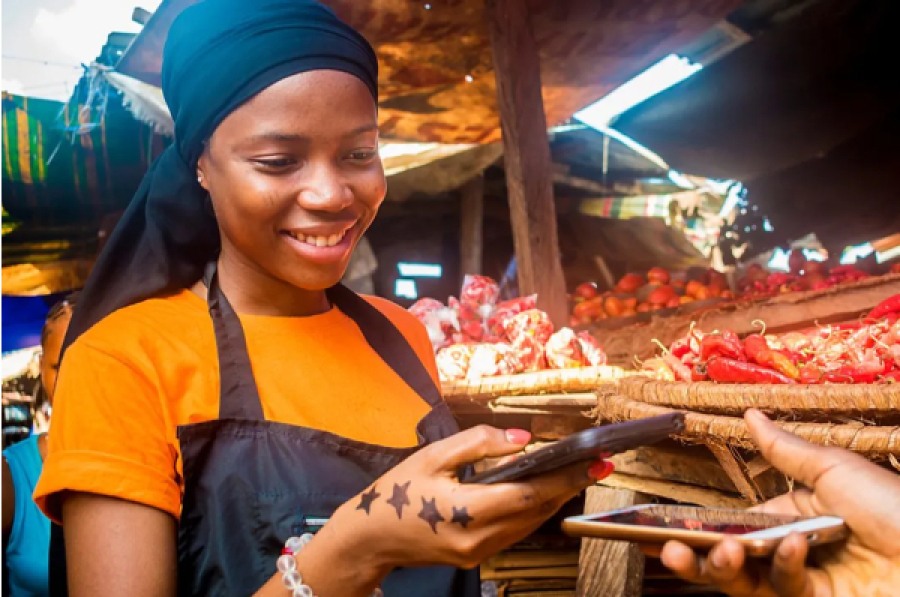
The trend is most visible in major economies like Nigeria and Senegal. According to Ecofin Agency, Nigeria has become one of the world’s largest users of dollar-pegged stablecoins, while Senegal has seen increased adoption as citizens seek alternatives to local currency depreciation. This is not speculative trading; it is a functional response to monetary instability. Savers are using these tools to preserve value, move money across borders, and maintain liquidity without the friction of traditional banking systems.
For the average saver, the appeal is straightforward. USDC offers a 1:1 peg to the US dollar, providing a stable store of value that is accessible via smartphone. Unlike traditional savings accounts that may offer low interest rates or negative real returns, stablecoins allow users to hold their savings in a currency that historically maintains its purchasing power. This accessibility is critical in regions where banking infrastructure is limited or where inflation outpaces local interest rates.
While the technology is digital, the need is human. It is about security and predictability in an unpredictable environment. As more Africans turn to these tools, the focus remains on reliability and ease of use, making digital stable savings a cornerstone of the "Africa Stable Save 2026" movement.
Top USDC wallets for mobile savings
Choosing the right mobile wallet is the first step toward stable savings in Africa. A good wallet needs to handle USDC deposits and withdrawals smoothly, support local mobile money integrations where possible, and keep your private keys secure. Below are three reliable options that balance accessibility with security for African savers.
Trust Wallet
Trust Wallet is a widely used mobile-first wallet that supports a broad range of tokens, including USDC on multiple networks. Its interface is clean and straightforward, making it a solid choice for beginners who want to hold stablecoins without navigating complex menus. The app allows you to connect to decentralized exchanges directly, enabling you to swap assets if needed. For users prioritizing ease of use and broad token compatibility, Trust Wallet remains a strong foundational tool.
MetaMask
MetaMask is the industry standard for interacting with decentralized applications and offers robust support for USDC across various blockchain networks. While it has a steeper learning curve than some competitors, its security features are highly regarded. Users can manage their keys locally and connect to a wide ecosystem of DeFi protocols. This makes it ideal for savers who want maximum control over their assets and plan to engage with more advanced financial tools beyond simple storage.
Rainbow Wallet
Rainbow Wallet offers a more visual and user-friendly experience compared to MetaMask, while still maintaining strong security standards. It provides clear transaction previews and supports multiple chains, including those popular in the African market. The app’s design focuses on simplicity, helping users understand where their funds are and how they are being used. For those who find MetaMask too technical, Rainbow provides a balanced alternative that doesn't sacrifice functionality for aesthetics.
Choosing the right tool
When selecting a wallet, consider which blockchain network your stablecoins will primarily reside on. Ethereum-based USDC is widely accepted but can have higher transaction fees. Layer-2 solutions or alternative chains like Polygon or Solana often offer faster and cheaper transactions, which is critical for small, frequent savings deposits. Ensure your chosen wallet supports the specific network you intend to use. Additionally, always verify that the wallet allows you to export your private key or seed phrase, giving you full ownership of your assets.


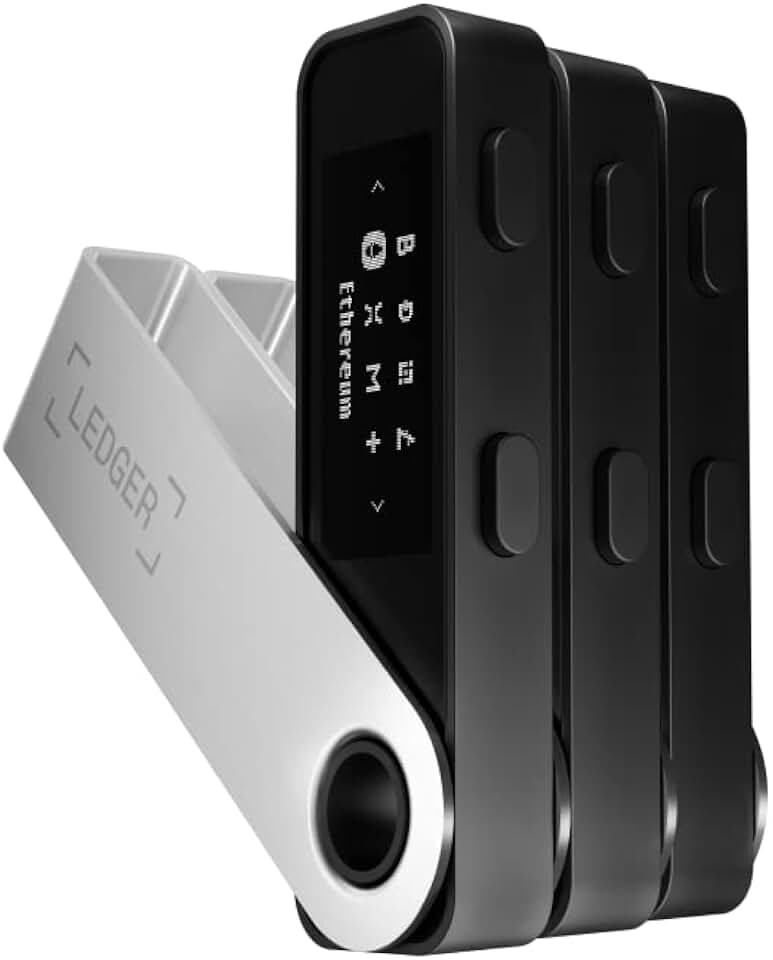
As an Amazon Associate, we may earn from qualifying purchases.
Mobile banking apps with stablecoin integration
Traditional banks and neo-banks across Africa are beginning to bridge the gap between legacy finance and digital assets. While full custody of cryptocurrencies remains restricted in many jurisdictions, several platforms now allow users to hold, send, and save in stablecoins like USDT or USDC directly within their banking interfaces. This integration offers a familiar user experience for those looking to protect savings from local currency volatility.
These apps typically rely on partnerships with licensed crypto exchanges or fintech providers to handle the underlying blockchain transactions. For the user, this means they can often fund their account via mobile money or bank transfer and instantly convert a portion of their balance into a dollar-pegged asset. The key advantage is speed and lower friction compared to opening a separate account on a global exchange.
The following comparison highlights three prominent options available in major African markets. These platforms vary in their regulatory approach, supported currencies, and ease of access.
For users in Nigeria, Paxful Wallet offers one of the most direct routes to stablecoin savings. It allows users to buy, sell, and hold USDT and USDC with minimal friction, leveraging the country's high adoption of digital assets. Similarly, Yellow Card operates across multiple African nations, providing a regulated environment for converting local currency into stablecoins. Chipper Cash, while primarily a remittance tool, is increasingly integrating stablecoin-like features for cross-border savings, though its direct stablecoin offering is more limited compared to dedicated crypto wallets.
When choosing a platform, consider the ease of onboarding and the fees associated with converting your local currency. Most reputable apps require identity verification to comply with local financial regulations. Always ensure the platform is licensed in your specific country to protect your funds.
How to choose a secure savings platform
Selecting the right digital savings tool for Africa Stable Save 2026 requires looking beyond flashy interfaces. The real value lies in security infrastructure, regulatory compliance, and how easily the platform integrates with local payment rails. A platform is only as good as its ability to protect your capital during market volatility.
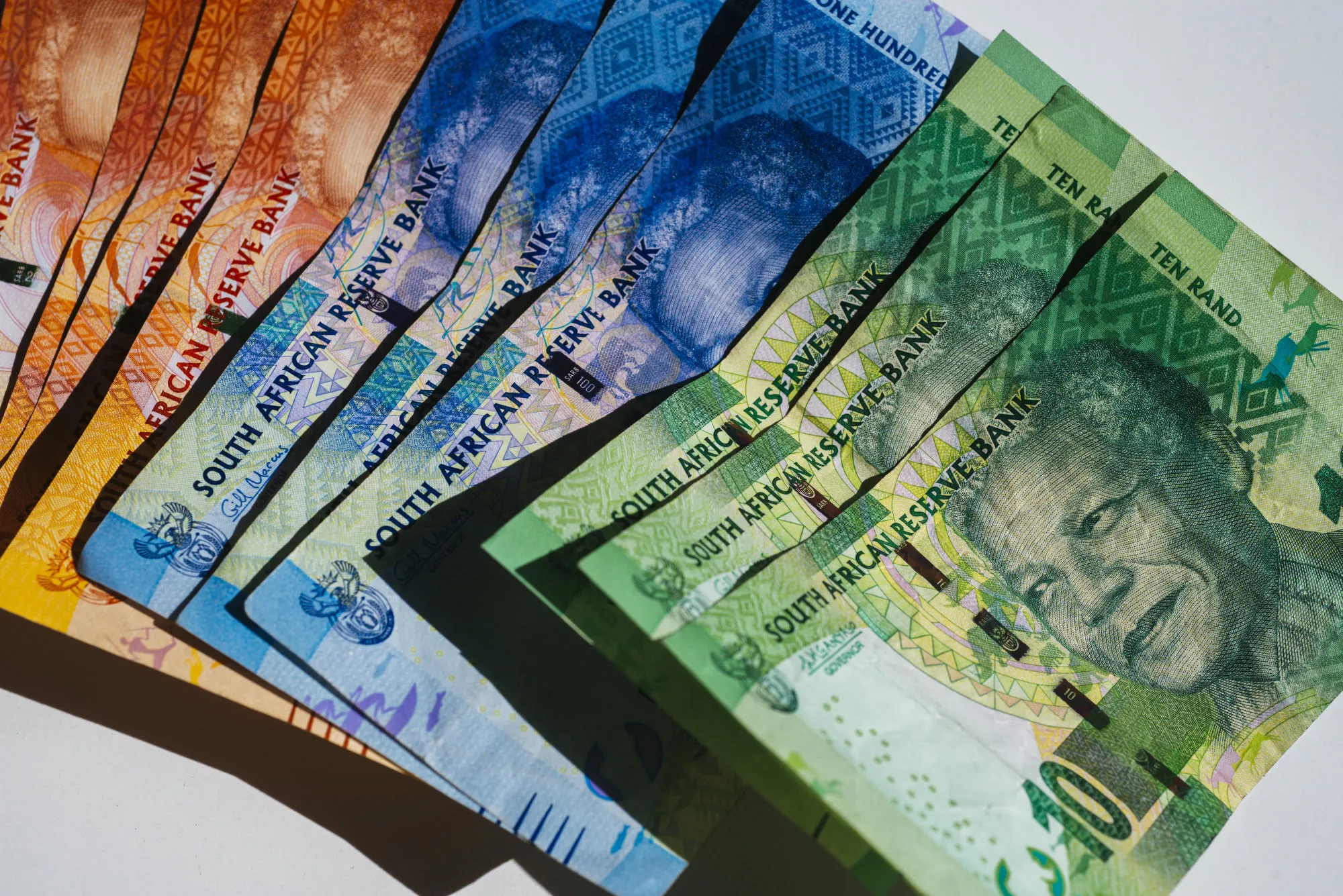
Before depositing funds, confirm the platform is licensed by your local financial authority. In 2026, regulatory scrutiny on stablecoin and digital savings providers has intensified. Look for clear disclosures about custody arrangements and insurance coverage. Platforms operating without proper licensing in your jurisdiction pose a significant risk to your principal.

Robust security is non-negotiable. Check if the platform uses multi-signature wallets, cold storage for the majority of funds, and regular third-party security audits. Two-factor authentication (2FA) should be mandatory, not optional. Platforms that publish their audit reports transparently demonstrate a commitment to safety and operational integrity.

The best savings tool is one you can actually use. Ensure the platform supports your preferred local deposit and withdrawal methods, such as mobile money (M-Pesa, MTN Mobile Money) or direct bank transfers. High fees or long processing times for fiat on-ramps can erode your savings returns over time. Seamless integration reduces friction and keeps your capital working for you.
Hidden fees are a common trap. Look for platforms that clearly display all costs, including deposit fees, withdrawal fees, and management charges. Transparent platforms often offer lower fees for larger balances or longer holding periods. Avoid platforms with complex fee structures that are difficult to understand or calculate.
When evaluating specific products, consider tools that combine strong security with user-friendly interfaces. The following options are popular among users seeking reliable Africa Stable Save 2026 solutions.


As an Amazon Associate, we may earn from qualifying purchases.
Frequently asked questions about stable savings
Stable savings tools offer a way to protect purchasing power against local currency volatility, but they require understanding the underlying economic and regulatory environment. Here are direct answers to common questions about safety and stability in the African market.
What are the safest countries in Africa in 2026?
Safety and stability often correlate with economic resilience. Current assessments highlight Morocco, Rwanda, Tanzania, Namibia, and South Africa as the most accessible and stable environments for financial activities. Mauritius consistently ranks as the safest country overall, followed by Botswana and Ghana, providing a secure backdrop for digital savings adoption.
Which country has the best economy in Africa in 2026?
South Africa remains the continent's largest economy, with a GDP of approximately $479.96 billion. It is followed by Egypt ($429.65 billion) and Nigeria ($377.37 billion). These larger economies often have more developed digital infrastructure and regulatory frameworks for stablecoin and digital savings tools, making them key markets for 2026.
How stable are digital savings tools compared to traditional banks?
Digital savings tools backed by stablecoins pegged to strong currencies (like the USD or EUR) offer stability independent of local inflation. However, they carry platform risk. Users should prioritize tools operating in jurisdictions with clear regulatory oversight, such as South Africa or Kenya, where the Africa Stablecoin Summit 2026 is helping to shape clearer compliance standards.
Are stable savings tools regulated in Africa?
Regulation is evolving rapidly. Countries like South Africa and Kenya are leading with clearer frameworks for digital assets. Always verify that your savings tool is registered with local financial authorities. The upcoming Africa Stablecoin Summit in Johannesburg aims to bridge innovation with compliance, signaling a move toward more standardized regulations across the continent.
No comments yet. Be the first to share your thoughts!