Why Africa leads global stablecoin ownership
Africa has emerged as the undisputed leader in global stablecoin adoption, registering the highest ownership rates among seven major global regions in 2026. According to the BVNK Stablecoin Utility Report, 79% of surveyed African respondents hold stablecoins, a figure that significantly outpaces other continents. This dominance is not driven by speculative trading or crypto-bro culture, but by the urgent, practical need for reliable financial infrastructure.
The distinction between African stablecoin usage and markets like the United States or Europe is foundational. In wealthier economies, stablecoins often serve as a bridge asset for trading volatility or a yield-generating tool within decentralized finance protocols. In Africa, they function as essential utility. For millions of people, stablecoins are a hedge against local currency inflation and a practical solution for receiving remittances or making cross-border payments where traditional banking rails are slow, expensive, or inaccessible.
This utility-first approach has created a robust baseline of adoption that is resistant to typical crypto market cycles. While speculative interest may wane during bear markets, the need for a stable store of value and a fast settlement layer remains constant. Countries like Nigeria and South Africa have become epicenters of this activity, where the friction of traditional cross-border finance makes digital dollar alternatives not just attractive, but necessary for daily commerce.
The data suggests that as global financial systems continue to digitize, Africa’s early and pragmatic embrace of stablecoins positions the continent at the center of the next wave of monetary innovation. The focus is no longer on whether stablecoins will be adopted, but how existing financial institutions will integrate this already-established user behavior.
Nigeria and South Africa drive demand growth
Nigeria and South Africa are the primary engines of Africa's stablecoin adoption in 2026. Recent data confirms that these two economies are driving the strongest growth in demand for digital dollar-pegged assets across the continent. This surge is not speculative; it is a direct response to local economic pressures and the practical need for efficient cross-border payments.
In Nigeria, the adoption of stablecoins has become an economic lifeline. With significant currency volatility and strict foreign exchange controls, citizens and businesses increasingly turn to stablecoins to preserve value and conduct international trade. This grassroots demand has outpaced regulatory frameworks, creating a robust underground market that now operates with greater transparency through regulated on-ramps and off-ramps.
South Africa presents a different but equally compelling case. As the continent's most industrialized economy, its demand is fueled by corporate treasury management and remittance flows. Businesses in South Africa are leveraging stablecoins to reduce transaction costs and settle cross-border payments faster than traditional banking channels allow. The speed and cost savings of stablecoin transactions are driving a mass migration of business use cases, with 64% of surveyed businesses already using or planning to use stablecoins within three years.
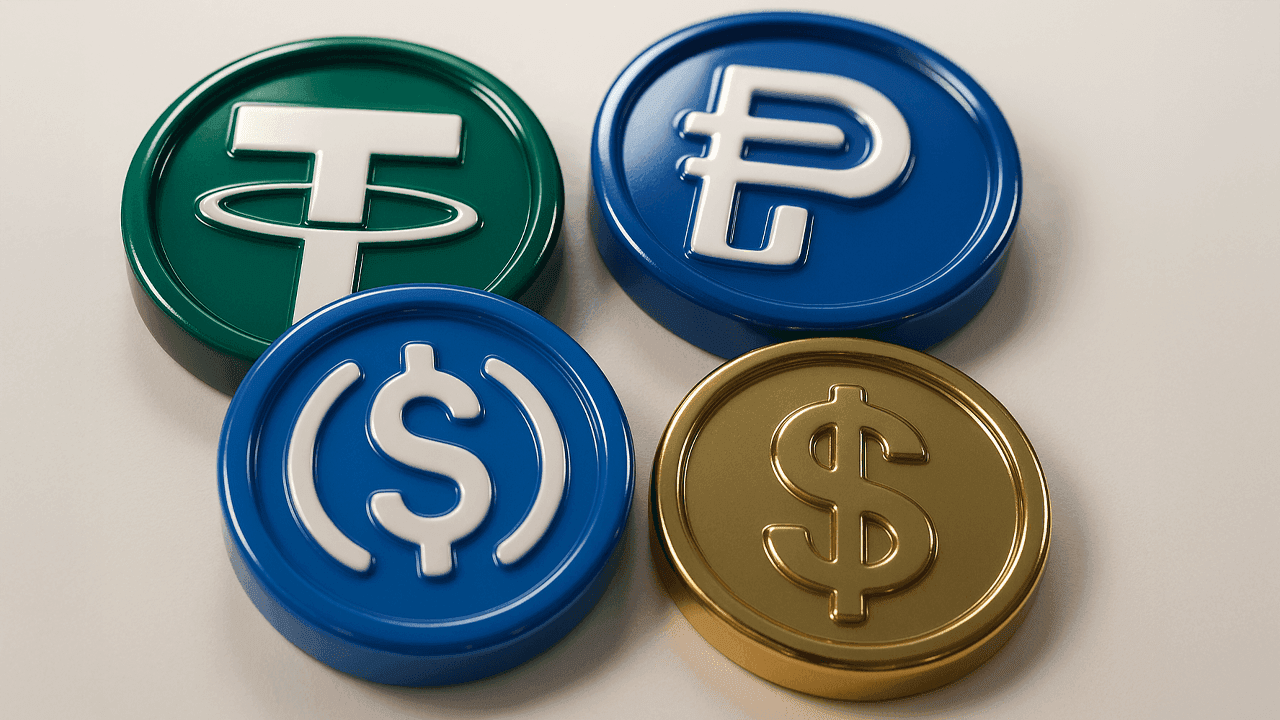
The convergence of these two markets highlights a broader trend: stablecoin adoption in Africa is being driven by necessity. Whether it is a Nigerian freelancer receiving payments from abroad or a South African importer settling invoices, the utility of stablecoins is solving real-world financial friction. This demand is set to accelerate as regulatory clarity improves and infrastructure expands across the region.
Regulatory frameworks shaping 2026 markets
The regulatory landscape for Africa stablecoin adoption 2026 is shifting from reactive prohibition to structured integration. Rather than banning digital assets outright, major financial centers are establishing clear guardrails that allow stablecoins to operate within the formal banking sector. This transition is driven by the urgent need to reduce the friction and cost of cross-border trade and remittances, which have long relied on inefficient legacy systems.
Ripple’s 2026 analysis highlights that African markets are adopting crypto not for speculation, but for practical utility. Regulatory bodies are responding by creating sandbox environments and specific licensing frameworks for stablecoin issuers. This approach allows institutions to test payment rails against real-world volatility while ensuring compliance with anti-money laundering (AML) standards. The result is a more stable ecosystem where businesses can integrate digital dollars and euros without the fear of sudden policy reversals.
The momentum behind this shift is evident in upcoming industry events like the Africa Stablecoin Summit in November 2026. These gatherings bring together central bankers and fintech leaders to align on interoperability standards. By focusing on technical compatibility and legal clarity, the region is positioning itself as a global hub for regulated digital finance, moving beyond the early adopter phase into mainstream institutional acceptance.
Mobile money vs stablecoin utility
Mobile money remains the backbone of Africa's daily economy, but stablecoins are rapidly carving out a distinct niche where incumbent rails struggle. The competition isn't about replacing the local shopkeeper's M-Pesa or MTN Mobile Money account; it is about solving the specific failures of traditional cross-border finance. As noted by Reuters, the biggest African economies are leading this demand shift, driven by a need for assets that preserve value against local inflation.
Stablecoins offer superior utility for remittances and international trade. They bypass the high fees and multi-day settlement times associated with correspondent banking, offering near-instant transfers at a fraction of the cost. For businesses, this speed and cost efficiency are compelling. Rapyd's 2026 State of Stablecoins Report highlights that 64% of surveyed businesses already use or plan to use stablecoins within three years, citing easier cross-border transactions as the primary driver.
However, mobile money retains a monopoly on local retail liquidity. Its dominance stems from deep integration with local merchants, agent networks, and government-issued identity systems. Stablecoins cannot yet match the frictionless experience of scanning a QR code at a street market stall without a smartphone or internet connectivity. The two systems are converging, with many mobile money platforms now integrating stablecoin rails for their own cross-border settlements, acknowledging that they cannot compete on international transfers.
The following table outlines the practical differences in how these systems serve users in 2026.
| Feature | Mobile Money | Stablecoins |
|---|---|---|
| Primary Use Case | Local retail payments | Cross-border & savings |
| Settlement Speed | Instant (local), 1-3 days (cross-border) | Seconds (anywhere) |
| Cross-Border Fees | High (5-10%+) | Low (<1%) |
| Inflation Hedge | No (local currency risk) | Yes (USD-pegged) |
| Local Merchant Adoption | Very High | Growing but limited |
Stablecoin Savings Platforms and Tools
The shift toward digital savings in Africa is driven by platforms that offer yield on stablecoins like USDC and USDT. These tools allow users to earn returns that typically outpace traditional bank savings accounts, though they come with different risk profiles. For many Africans, these platforms serve as a bridge between local currency volatility and global dollar-denominated assets.
Key Platforms for Digital Savings
Yellow Card has emerged as a primary gateway for stablecoin adoption in 2026. As noted in recent market analysis, the platform is seeing increased engagement as users seek reliable ways to hold and grow digital assets. Yellow Card simplifies the entry process by allowing direct fiat-to-crypto conversions, making it a practical starting point for those new to stablecoin savings.
Binance remains the dominant global exchange with a significant African user base. Its P2P (peer-to-peer) market and earn products allow users to lock stablecoins for fixed terms. While the platform offers high liquidity, users must navigate varying regulatory restrictions depending on their specific country of residence.
Bybit offers competitive yield rates on stablecoin deposits through its Earn products. It is often used by more experienced traders who want to diversify their savings across multiple platforms to mitigate counterparty risk. The platform’s interface is streamlined for quick deposit and withdrawal cycles.
Essential Tools for Security and Management
Managing stablecoin savings requires more than just an exchange account. Security is paramount, as digital assets are irreversible once sent. Many savers pair their exchange accounts with hardware wallets for long-term storage, ensuring that only a fraction of their savings remains on exchange platforms.



As an Amazon Associate, we may earn from qualifying purchases.
While hardware wallets are essential for cold storage, many users prefer the convenience of software wallets for daily transactions. Tools like Trust Wallet or MetaMask allow for easy interaction with decentralized finance (DeFi) protocols that may offer higher yields, though these carry smart contract risks that users must understand.
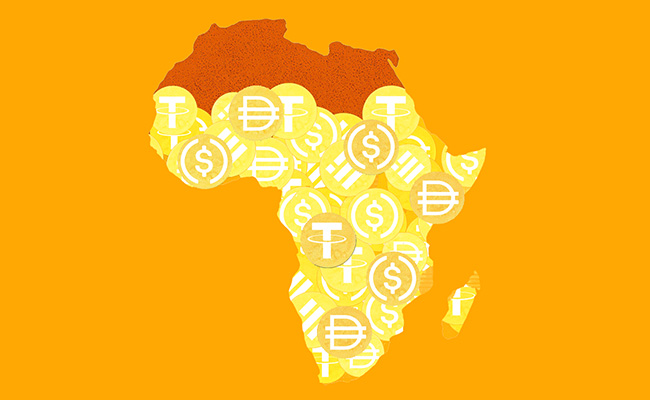
The choice of platform often depends on local regulatory clarity and available fiat on-ramps. In countries with strict capital controls, peer-to-peer platforms like Binance P2P or Yellow Card provide critical access to dollar-pegged assets. As the regulatory landscape evolves in 2026, users should prioritize platforms that comply with local financial authority guidelines to ensure long-term accessibility of their savings.
Common questions about African stablecoins
How does Nigeria's currency volatility impact stablecoin demand?
Nigeria's experience with significant Naira devaluation and strict foreign exchange controls has made stablecoins a critical tool for value preservation. Citizens and businesses use USDT and USDC to hedge against inflation and conduct international trade when traditional banking rails are restricted or prohibitively expensive. This has created a robust grassroots market that operates with increasing transparency through regulated on-ramps.
What is the current state of stablecoin business adoption in 2026?
Stablecoins have moved from niche experimentation to mainstream business utility. According to Rapyd’s 2026 State of Stablecoins report, 64% of surveyed businesses already use stablecoins or plan to within three years. The shift is driven by practical needs: speed, simplified cross-border transactions, and significant cost savings compared to traditional banking rails.
Where is the Invest in Africa Summit 2026 held?
The Invest in Africa Summit 2026 is scheduled for October 14, 2026, in The Hague, Netherlands. This event serves as a key networking hub for trade deals between Europe and Africa. While important for high-level investment strategy, it is distinct from the grassroots, mobile-first stablecoin adoption occurring across African economies.
No comments yet. Be the first to share your thoughts!