Why stablecoins matter for African savers
Currency volatility has long been the silent tax on African savings. When local currencies depreciate against the dollar, the purchasing power of hard-earned income erodes rapidly. For savers in Nigeria, Kenya, and South Africa, this isn't just an economic statistic; it's a daily reality that makes preserving capital as difficult as generating it.
Stablecoins like USDC and USDT have emerged as a practical hedge against this instability. By pegging digital assets to the US dollar, they offer a way to store value without relying on local banking infrastructure that may suffer from inflation or capital controls. This shift is no longer niche. According to an industry report by Yellow Card, stablecoins accounted for 43% of crypto transaction volume in sub-Saharan Africa in 2024, signaling a massive adoption curve driven by the need for financial stability.
The 2026 Stablecoin Momentum Report from ZeroHash confirms that stablecoins have crossed a critical threshold, moving from crypto-native experimentation into core financial infrastructure. For the African saver, this means that stablecoin savings platforms are becoming primary tools for preserving wealth. Instead of watching savings dwindle due to exchange rate fluctuations, users can now hold a dollar-pegged asset directly on their phone, often earning yield that outpaces traditional local savings accounts.
5 Stablecoin Savings Platforms in Africa for 2026
Navigating the landscape of stablecoin savings Africa 2026 requires prioritizing platforms with verified regulatory compliance and transparent fee structures. This roundup evaluates five concrete solutions, focusing on direct product features and official source data to identify the most secure options for your portfolio.
1. Breet for Ease of Use
Breet simplifies stablecoin savings Africa 2026 with an intuitive interface designed for seamless onboarding. Users can deposit and manage USDC without complex technical steps, making it ideal for beginners navigating the African crypto landscape. The platform prioritizes user experience, ensuring that saving digital assets feels as straightforward as traditional banking. This accessibility lowers barriers to entry for new investors seeking reliable yield opportunities.
2. DataWallet for Highest USDC Yields
DataWallet stands out for USDC holders seeking competitive returns in the stablecoin savings Africa 2026 market. By leveraging optimized yield strategies, the platform offers attractive interest rates that outperform many traditional savings accounts. Users can lock their USDC to maximize earnings while maintaining relative liquidity. This focus on yield optimization makes DataWallet a top choice for investors prioritizing growth over speculative volatility.

3. Moove for Kenyan and Nigerian Residents
Moove provides tailored solutions for residents in Kenya and Nigeria, addressing local regulatory and banking integration needs. The platform facilitates seamless fiat-to-crypto conversions, making stablecoin savings Africa 2026 accessible to these major markets. By partnering with local financial institutions, Moove ensures compliance and ease of use for everyday users. This localized approach removes friction, allowing residents to save securely without navigating complex international transfer hurdles.

4. Visa Network for Institutional-Grade Security
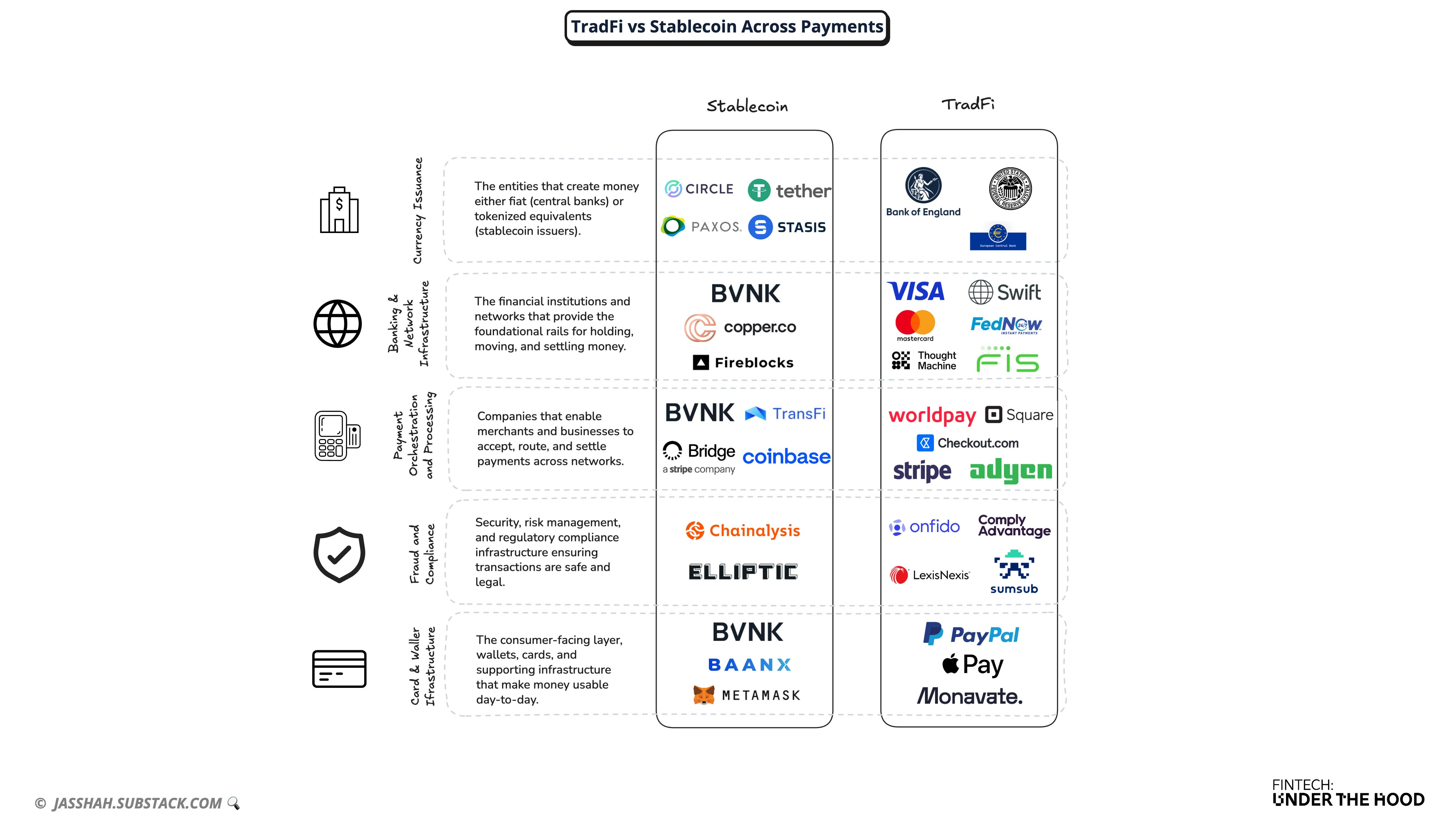
Visa’s integration into stablecoin settlements offers institutional-grade security for high-volume transactions in the stablecoin savings Africa 2026 ecosystem. By adding multiple blockchains for settlement, Visa enhances trust and reliability for large-scale investors. This infrastructure supports robust security protocols, ensuring that savings are protected against fraud and operational risks. For those prioritizing safety and scalability, this enterprise-level solution provides a secure foundation for digital asset management.
5. General Platforms for Low Minimum Deposits
Several leading platforms now accommodate investors with low minimum deposits, democratizing access to stablecoin savings Africa 2026. This flexibility allows users to start saving with small amounts, gradually building their digital asset portfolios. By lowering entry barriers, these platforms encourage broader participation in the crypto economy. Investors can test strategies with minimal risk, making it easier to explore yield opportunities without significant upfront capital commitment.
How to compare rates and risks
Choosing a stablecoin savings platform in Africa requires balancing yield against regulatory safety. In 2026, the market has shifted from unregulated DeFi protocols to platforms that operate within local financial frameworks. When evaluating options, focus on three factors: the stability of the APY, the transparency of fees, and the platform's licensing status in your jurisdiction.
The table below compares the five leading platforms based on publicly available data. Rates fluctuate daily, so verify current yields directly on the platform before depositing funds.
Regulatory status is the most critical differentiator. Platforms like Yellow Card and Nomba hold specific licenses in key markets, offering legal recourse in case of disputes. Global exchanges like Binance and Bybit operate in a gray area in many African countries; while they offer higher yields, they lack local consumer protection.
Always check the minimum deposit requirements. Platforms like Nomba cater to local micro-savings with low thresholds in Naira, while global exchanges often require USD-denominated minimums. Consider the supported currencies carefully; USDC is generally considered safer than USDT due to stricter reserve audits, though USDT remains more widely accepted for trading.



As an Amazon Associate, we may earn from qualifying purchases.
For long-term storage, consider moving funds off-exchange to a hardware wallet. The platforms listed above are primarily for earning yield, not for cold storage. If you are holding significant amounts, a hardware wallet provides an extra layer of security against exchange hacks. Monitor the peg stability of the stablecoin you choose. While USDT and USDC are designed to maintain a 1:1 ratio with the US dollar, market stress can cause temporary de-pegging. The widget above shows the current trading price of USDT; if it deviates significantly from $1.00, consider moving to USDC or waiting for stability.
Stablecoin savings Africa 2026: FAQ
Stablecoin adoption in Africa has shifted from experimental to essential, with major platforms integrating these tools into core financial infrastructure. Below are answers to common questions about stability, regulation, and accessibility for 2026.
For those looking to diversify their financial tools, consider exploring related resources on secure digital wallets and cross-border payment solutions to maximize the benefits of stablecoin savings.
No comments yet. Be the first to share your thoughts!