Why stablecoins are the new savings standard
Traditional banking infrastructure in many African nations struggles with high inflation and limited access to high-yield accounts. For millions of mobile-first users, stablecoins offer a practical alternative. By pegging digital assets to the US dollar, these apps allow savers to protect their purchasing power against local currency devaluation without needing a traditional foreign exchange account.
The shift is driven by accessibility. With high smartphone penetration across the continent, stablecoin savings apps function like any other mobile wallet. Users can deposit, save, and withdraw funds using familiar interfaces, bypassing the bureaucratic hurdles of opening international bank accounts. This mobile-first approach democratizes access to dollar-denominated savings for unbanked and underbanked populations.
Africa currently leads the world in stablecoin adoption, with usage rates reaching 9.3% of the population. This dominance reflects a pragmatic response to economic instability. Rather than viewing crypto solely as a speculative investment, many Africans use stablecoins as a daily savings tool. The technology provides a bridge between local economies and the stability of the US dollar, making it an essential component of modern financial planning in the region.
Top platforms for secure digital savings
Choosing a stablecoin savings app in Africa means balancing yield with the reality of local banking rails. The best platforms prioritize mobile-first interfaces, low withdrawal fees, and clear compliance with regional regulations. Below are the top platforms that currently offer reliable access to USDT and USDC savings for African users.
Binance Earn
Binance remains the most accessible entry point for stablecoin savings across Africa. Its "Simple Earn" product allows users to lock up USDT or USDC for flexible or fixed terms. The platform supports instant access to funds for most users, which is critical for those relying on these savings for daily liquidity. Mobile usability is high, with direct integration into the main Binance app, making it easy to track yields without navigating complex DeFi dashboards.
Bybit Earn
Bybit offers a competitive alternative with a focus on high-yield fixed-term products. While its interface is heavily crypto-native, it has streamlined its onboarding for African users by accepting multiple fiat on-ramps. The platform’s "Flexible Savings" option provides daily interest payouts, allowing users to withdraw their principal at any time. This flexibility is a strong selling point for users who want to earn yield without locking their capital for months.
Nexo
Nexo stands out for its fiat-to-crypto bridge capabilities. It allows users to earn interest on stablecoins while offering immediate access to funds via their Nexo Card in select regions. The platform’s security model includes a Proof of Reserves system, which provides transparency on how user funds are stored. For users who want to spend their stablecoin earnings directly, Nexo’s card integration removes the friction of converting crypto back to local currency.
Luno Earn
Luno is a strong choice for users already embedded in the local fiat ecosystem. As one of the most regulated crypto exchanges in Africa, Luno offers "Luno Earn" for select cryptocurrencies, including stablecoins in certain markets. The platform’s simplicity is its main advantage; it requires minimal technical knowledge to start earning. Users can deposit local currency, buy stablecoins, and earn interest within the same app, reducing the risk of errors during transfers.
Comparison of key features
When selecting a platform, consider the trade-offs between yield and accessibility. The table below highlights the primary differences between the recommended options.
| Platform | Yield Type | Liquidity | Regulation |
|---|---|---|---|
| Binance Earn | Flexible/Fixed | High | Varies by region |
| Bybit Earn | Fixed/Flexible | Medium | Offshore |
| Nexo | Daily Flexible | High (Card) | CySEC Licensed |
| Luno Earn | Variable | Medium | FSCA (South Africa) |
Security considerations
Security is the primary concern when storing stablecoins. Always enable two-factor authentication (2FA) on any platform you use. For larger amounts, consider withdrawing your stablecoins to a self-custody wallet like Trust Wallet or MetaMask, where you control the private keys. While this removes the convenience of earning yield directly on the exchange, it eliminates counterparty risk. If you choose to keep funds on an exchange, verify that the platform publishes regular Proof of Reserves reports.
Getting started
To begin, download the app of your chosen platform and complete the identity verification (KYC) process. This is a mandatory step for all regulated exchanges and helps prevent fraud. Once verified, deposit local currency or transfer stablecoins from another wallet. Start with a small amount to familiarize yourself with the withdrawal process and fee structure before committing significant savings. Remember that yields can fluctuate based on market demand for stablecoin borrowing.
How to choose the right savings app
Selecting a stablecoin savings platform in Africa requires balancing yield against liquidity. The best app for you depends on whether you need immediate access to funds or are willing to lock capital for higher returns. Most platforms operate via mobile-first interfaces, making ease of use a primary filter.
Prioritize platforms that adhere to local financial regulations or global compliance standards like those outlined by the African Institute for Financial Regulation. Look for apps that offer clear information on how user funds are protected and whether they undergo third-party audits. Security is the foundation of trust in digital savings.

Yield rates fluctuate based on market conditions and the underlying strategy of the platform. Compare the annual percentage yield (APY) offered by different apps, but also scrutinize deposit and withdrawal fees. A high yield can be negated by high transaction costs, especially for smaller savings amounts common in many African markets.
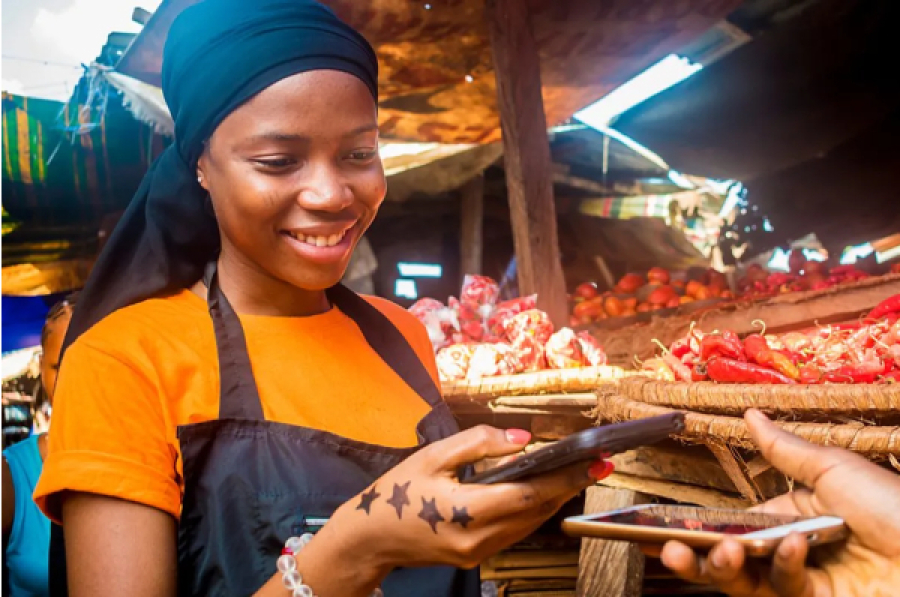
Determine how quickly you can access your funds. Some platforms offer instant withdrawals, while others may have lock-up periods or processing times of several days. If you need your savings for emergencies or daily expenses, choose an app with high liquidity. For long-term goals, you might accept slower access for better rates.
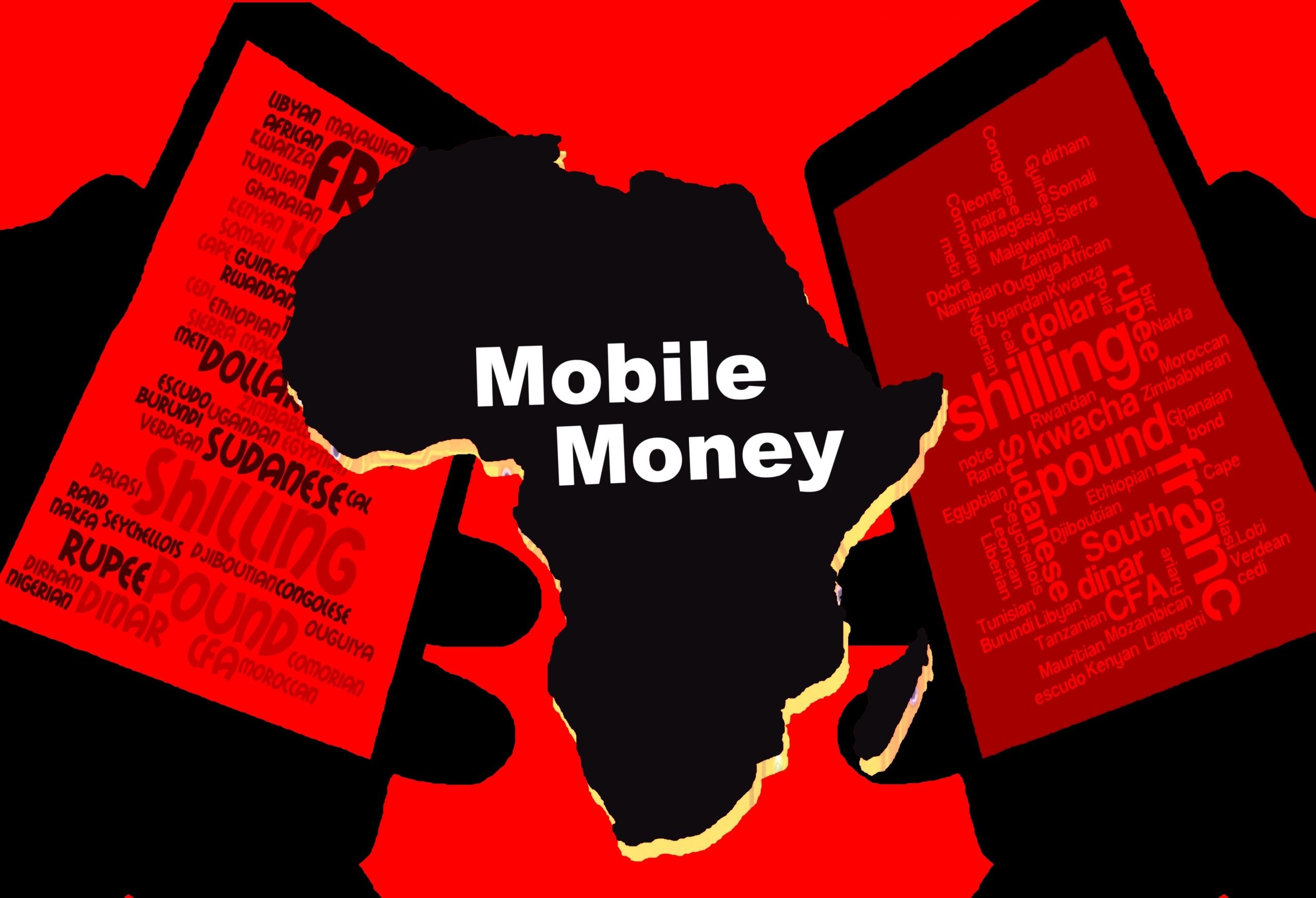
Since most Africans access financial services via mobile phones, the app's interface must be intuitive and lightweight. Test the app for ease of navigation, clarity of information, and responsiveness on lower-end devices. A smooth user experience reduces errors and makes saving a consistent habit.
Risks and regulatory landscape in 2026
Stablecoin savings apps offer convenience, but they operate in a shifting regulatory environment. Across Africa, central banks are still defining how digital dollars fit into existing financial frameworks. Some nations have embraced crypto-friendly policies to attract investment, while others maintain strict bans on fiat-backed digital assets. Before depositing funds, check your local central bank’s latest stance on stablecoins to ensure your savings platform is compliant.
The Conversation notes that widespread stablecoin adoption poses a risk of dollarization, potentially weakening local currencies and reducing monetary policy control. This macroeconomic shift is a primary reason why regulators are moving cautiously. While this doesn’t directly affect your ability to save, it signals that the legal ground beneath these apps can change quickly.
For 2026, the trend is toward greater transparency rather than outright prohibition. Initiatives like the African Investment Forum’s stablecoin readiness program aim to balance financial stability with consumer protection. This means apps that are regulated or partner with licensed local entities are generally safer bets than unverified offshore platforms. Prioritize apps that clearly display their regulatory compliance status in their app store descriptions or help centers.
Frequently asked questions about stablecoin savings
Are stablecoins safe for daily savings in Africa? Stablecoins like USDT and USDC are designed to maintain a 1:1 peg with the US dollar, making them a practical tool for preserving value against local currency inflation. However, they carry platform and regulatory risks. Users should prioritize apps with strong security protocols and clear regulatory compliance in their specific country to mitigate the risk of platform failure or government restrictions.
Which apps work best on mobile data? Most top-rated stablecoin apps for Africa are mobile-first, optimized for low-bandwidth environments. They allow users to send, receive, and earn interest directly from smartphones without requiring heavy desktop software. Look for platforms that offer lightweight apps and transaction fees that remain low even on slow connections.
Can I convert stablecoins to local cash easily? Yes, but the process varies by region. Many users rely on peer-to-peer (P2P) marketplaces within the apps to find local buyers, or use licensed crypto exchanges that offer bank transfers. Always verify the withdrawal limits and processing times for your specific country, as some regions have stricter capital controls.
Do I need to pay taxes on stablecoin interest? Regulatory frameworks are evolving rapidly. Some African nations are integrating stablecoins into formal financial systems, while others are still defining their stance. It is essential to check local tax laws regarding digital assets, as interest earned may be treated as taxable income depending on your jurisdiction.
Helpful gear
Use these product recommendations as a starting point, then choose the size, material, and price point that fit how you actually use the gear.



As an Amazon Associate, we may earn from qualifying purchases.
No comments yet. Be the first to share your thoughts!