Why stablecoins matter for African savers
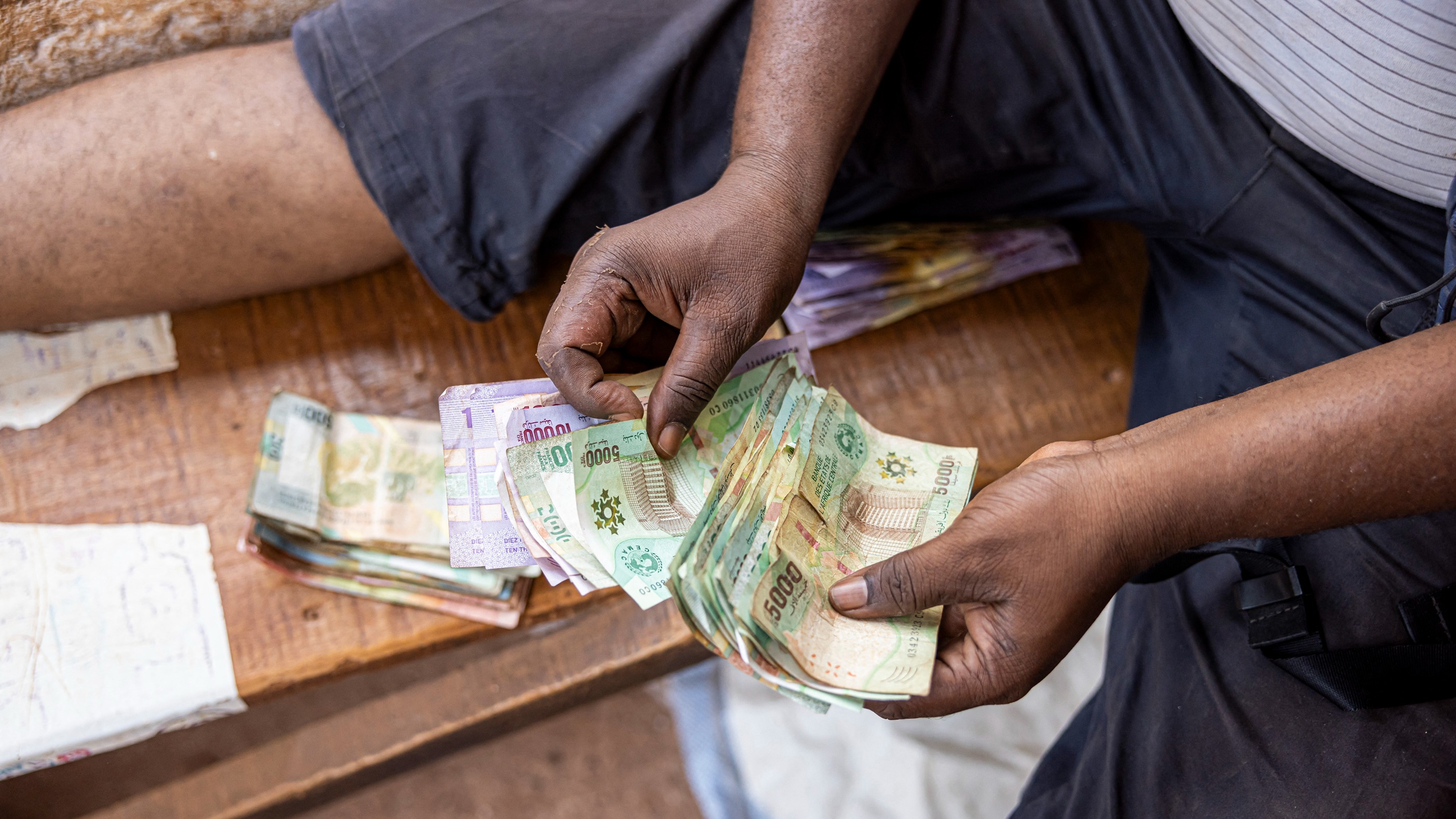
Currency volatility remains the primary threat to wealth preservation across the continent. For retail investors and SMEs in Nigeria, South Africa, and Kenya, local fiat currencies often face rapid depreciation against the US dollar. This instability erodes purchasing power and complicates cross-border trade, creating an urgent need for reliable, USD-pegged assets. Stablecoins have emerged as a critical hedge, offering a digital alternative to traditional banking systems that may not provide adequate inflation protection.
Adoption is a practical response to economic reality, not speculation. According to an industry report by Yellow Card, stablecoins accounted for 43% of all crypto transaction volume in sub-Saharan Africa in 2024. This dominance highlights a clear preference for stability over high-risk instruments. Investors are prioritizing safety and compliance, using stablecoins to store value and facilitate transactions without exposing themselves to extreme price swings.
How to evaluate savings platform safety
In a high-stakes regulatory environment, "safety" for stablecoin savings is a legal and technical reality, not a marketing promise. African investors must prioritize platforms that demonstrate reserve transparency, hold valid regulatory licenses, and undergo rigorous smart contract audits. The goal is to protect capital from de-pegging events, regulatory shutdowns, and code exploits.
Reserve transparency
A stablecoin is only as safe as its backing assets. Platforms offering savings must publish proof of reserves, showing that every token is backed 1:1 by cash or cash-equivalent instruments held in audited custodial accounts. Look for monthly attestations from independent accounting firms. If a platform cannot provide verifiable, on-chain proof of reserves, treat it as high-risk regardless of the advertised yield. Transparency is the first line of defense against insolvency.
Regulatory licensing
Operating within local financial frameworks is non-negotiable for long-term safety. In South Africa, platforms should hold or be licensed by the Financial Sector Conduct Authority (FSCA). In Nigeria, compliance with the Central Bank of Nigeria (CBN) guidelines is essential. Other jurisdictions may require licenses from the Central Bank of Kenya or the Bank of Ghana. Unlicensed platforms operate in a legal gray area, exposing investors to the risk of frozen assets or sudden bans. Always verify the license status directly on the regulator’s official website, not just the platform’s marketing page.
Smart contract audits
Stablecoin savings often rely on DeFi protocols or lending platforms where funds are locked in smart contracts. These codebases must be audited by reputable third-party firms like CertiK, OpenZeppelin, or Trail of Bits. Audits identify vulnerabilities before deployment, but they are not guarantees. Check for active bug bounty programs and whether the platform has a history of responding to discovered flaws. Mobile-first investors should note that many African users rely on mobile money integration; ensure the platform’s smart contract interactions with mobile money gateways are also secured and audited.
Platform examples
- Yellow Card: A regulated exchange in multiple African countries, offering compliance-focused stablecoin services.
- BVNK: Provides regulated stablecoin infrastructure for businesses and individuals, with a focus on African markets.
- Ripple: Offers institutional-grade stablecoin solutions with strong regulatory partnerships and transparency reports.



As an Amazon Associate, we may earn from qualifying purchases.
Regulated platforms for USDC savings
For African investors, the distinction between a crypto exchange and a regulated financial service provider is the difference between opportunity and liability. In 2026, the most secure USDC savings strategies rely on platforms that maintain explicit regulatory licenses in African jurisdictions or operate within recognized international frameworks that enforce strict anti-money laundering (AML) and know-your-customer (KYC) protocols. These platforms bridge the gap between blockchain efficiency and legal accountability, ensuring that your digital assets are not merely held in a void but are managed under enforceable standards.
The following platforms have established a verified presence in Africa, offering USDC savings products that integrate with local mobile money ecosystems while adhering to compliance requirements. They prioritize safety and regulatory clarity over speculative yield, providing a foundation for capital preservation and steady growth.
Yellow Card
Yellow Card operates as a dedicated cryptocurrency exchange with a strong regulatory footprint across multiple African nations, including Nigeria, Kenya, and Ghana. Its compliance strategy involves obtaining local financial licenses, which provides a layer of legal protection for users that generic global exchanges often lack. The platform facilitates USDC transactions and savings mechanisms that are directly accessible via mobile money, aligning with the region's mobile-first financial infrastructure. By maintaining local regulatory compliance, Yellow Card ensures that USDC deposits and withdrawals are processed through monitored channels, reducing the risk of account freezes or regulatory scrutiny for individual savers.
BVNK
BVNK functions as a regulated infrastructure layer that enables businesses and individuals to move stablecoins across borders with compliance at the core. While it primarily serves as a B2B infrastructure provider, its partnerships with regulated African financial entities allow end-users to access USDC savings and transfer services through compliant on-ramps. BVNK’s approach emphasizes legal certainty, ensuring that all transactions adhere to the regulatory frameworks of both the sending and receiving jurisdictions. For investors, this means that USDC savings accessed through BVNK-integrated partners are subject to rigorous oversight, offering a secure pathway for capital deployment in regions where direct crypto banking is restricted.
Ripple (via Partner Banks)
Ripple does not offer a direct consumer savings product but provides the underlying regulated infrastructure that enables African banks and financial institutions to offer USDC-based savings and cross-border payments. By partnering with licensed financial entities in Africa, Ripple ensures that USDC transactions are settled on a network designed for regulatory compliance. Investors can access USDC savings through these partner institutions, which leverage Ripple’s technology to provide faster, cheaper, and more transparent services than traditional correspondent banking. This indirect route ensures that your USDC is held and managed by entities that are already subject to local banking regulations, providing a high level of security and legal recourse.
Comparison of Key Platforms
The table below outlines the regulatory and operational characteristics of the primary platforms for USDC savings in Africa. Note that specific yield rates and minimum deposits are subject to change based on market conditions and regulatory updates; always verify current terms with the platform’s official documentation.
When selecting a platform, prioritize those with explicit regulatory licenses in your country of residence. The stability of USDC is not enough on its own; the legal framework surrounding its custody and transfer is what protects your capital from regulatory risk. Always conduct your own due diligence and consult with a financial advisor familiar with African crypto regulations before committing significant funds.
Mobile access and local currency on-ramps
The primary barrier to stablecoin adoption in Africa is not the technology, but the on-ramp. Converting local currencies like the Nigerian Naira (NGN), Kenyan Shilling (KES), or South African Rand (ZAR) into USDC requires a pathway that respects both regulatory compliance and the continent’s mobile-first reality. For African investors, the safety of the on-ramp is as critical as the yield generated by the savings platform.
Yellow Card has emerged as a leading infrastructure provider in this space, offering regulated fiat-to-crypto rails that integrate directly with local mobile money networks. By partnering with established financial entities, Yellow Card ensures that the conversion from NGN or KES to USDC is not only efficient but also compliant with local central bank regulations. This regulatory alignment is essential for investors seeking to avoid the pitfalls of unregulated peer-to-peer markets, where counterparty risk is high and legal recourse is nonexistent.
Similarly, BVNK provides institutional-grade infrastructure that supports seamless cross-border payments and stablecoin settlements. For individual investors, this means that accessing USDC can happen through familiar mobile money interfaces, reducing the friction typically associated with traditional bank transfers. The integration of these on-ramps with local payment systems allows users to move capital quickly while maintaining an audit trail that satisfies anti-money laundering (AML) requirements.
The dominance of mobile money in Africa is not a temporary trend; it is the foundational layer of the continent’s financial system. Platforms that ignore this reality by forcing users through cumbersome bank account verifications or international wire transfers are effectively excluding the majority of the potential market. Instead, the most viable stablecoin savings platforms are those that embed themselves within the existing mobile money ecosystem, offering a bridge between local currency and global digital assets.
This approach prioritizes safety and accessibility over speculative yield chasing. By relying on regulated on-ramps like Yellow Card and BVNK, investors can be confident that their entry into the stablecoin market is secure. The goal is not to bypass the financial system, but to enhance it with the stability and transparency that USDC provides, all while operating within the legal frameworks established by African central banks.
Regulatory landscape and investor protection
Stablecoin savings in Africa operate in a legal gray zone where yield often outpaces oversight. Unlike traditional bank deposits, stablecoin holdings are generally not covered by government deposit insurance schemes in most African jurisdictions. This means if a platform fails or a stablecoin de-pegs, investors typically have no safety net to recover their funds.
Regulators are playing catch-up. Yellow Card reported that stablecoins accounted for 43% of crypto transaction volume in sub-Saharan Africa in 2024, yet regulatory frameworks remain fragmented. While countries like Nigeria and South Africa have issued guidance, many platforms operate without explicit licenses, leaving investors exposed to sudden policy shifts or platform insolvency.
Official sources like Ripple highlight that businesses are increasingly using stablecoins for trade settlement and treasury management precisely because traditional banking rails are slow or expensive. However, this efficiency comes with a trade-off: you are effectively acting as your own bank. There is no central authority to reverse transactions or protect your capital if compliance standards slip.
Before committing capital, verify the platform’s licensing status in your specific country. Do not assume that high yields imply regulatory compliance. If a platform does not publish clear reserve reports or hold local financial licenses, treat it as high-risk exposure rather than a safe savings vehicle.
Frequently asked questions about stablecoin savings
Are stablecoin earnings taxable in Africa? Tax treatment varies by jurisdiction. In Nigeria, the Federal Inland Revenue Service (FIRS) treats crypto assets as taxable income, while South Africa’s SARS classifies them as capital assets. Always consult a local tax professional to ensure compliance with your specific country’s regulations before realizing gains.
Is my money safe if a platform like Yellow Card or BVNK fails? Stablecoin savings are not insured by government bodies like the Central Bank of Nigeria or the Reserve Bank of South Africa. Unlike traditional bank deposits, there is no deposit insurance scheme. You assume the counterparty risk of the platform and the stability of the underlying asset. Diversify across regulated entities and never deposit more than you can afford to lose.
Can I access these platforms via mobile money? Yes. Most reputable African-focused platforms, including Yellow Card and BVNK, integrate directly with mobile money providers like M-Pesa and MTN Mobile Money. This allows for seamless fiat on-ramps and off-ramps, making stablecoin savings accessible to users who rely on mobile wallets rather than traditional bank accounts.
Which platforms are officially regulated? Regulatory status changes frequently. Platforms such as Yellow Card hold licenses in several African jurisdictions, while others operate under evolving frameworks. Always verify the current licensing status on the platform’s official website or the relevant central bank’s registry before depositing funds.
No comments yet. Be the first to share your thoughts!