Why stablecoins lead African savings in 2026
Stablecoins have become the primary vehicle for inflation hedging and savings across the continent, driven by urgent demand in Nigeria and South Africa. As local currencies face volatility, users are turning to digital assets pegged to the US dollar to preserve purchasing power. This shift is not merely speculative; it is a pragmatic response to economic instability.
Data confirms the scale of this migration. Stablecoins now account for 43% of all crypto transactions in Sub-Saharan Africa, a figure that underscores their role as a foundational layer for digital finance rather than a niche trading instrument. The biggest economies are leading this growth, with Nigerian and South African users driving the strongest adoption rates due to high inflation pressures and limited access to traditional foreign exchange.
Because stablecoins are a digital asset, security is paramount. Unlike traditional bank deposits, self-custody requires physical safeguards. Users must prioritize hardware wallets to protect their savings from digital theft and platform failure. The following products represent essential security hardware for anyone holding stablecoins outside of regulated custodial accounts.


As an Amazon Associate, we may earn from qualifying purchases.
The regulatory landscape for digital savings
Stablecoin savings platforms in Africa operate within a rapidly shifting legal environment. Unlike traditional bank accounts, these digital assets are not automatically covered by national deposit insurance schemes. Investors must navigate distinct frameworks in key markets like South Africa and Nigeria, where regulators are actively defining how digital assets are classified and supervised.
In South Africa, the Financial Sector Conduct Authority (FSCA) treats crypto assets as financial products under the Financial Advisory and Intermediary Services Act. This classification requires platforms offering stablecoin savings to register as Financial Services Providers (FSPs). The goal is to ensure that firms handling customer funds adhere to strict conduct standards, including adequate capital reserves and transparent fee structures. While this provides a layer of consumer protection, it also means that non-compliant offshore platforms may face restrictions on serving South African residents.
Nigeria’s approach has evolved significantly since the Central Bank of Nigeria (CBN) initially restricted banks from processing crypto transactions. The current regulatory stance, guided by the Securities and Exchange Commission (SEC) rules on digital assets, focuses on licensing and investor education. Platforms must demonstrate robust anti-money laundering (AML) and counter-terrorist financing (CFT) protocols. For savers, this means verifying that a platform is registered with the SEC and clearly discloses how stablecoins are backed by fiat reserves.
Compliance is not just a legal formality; it is the primary safeguard for your capital. Always verify a platform’s regulatory status through official government registers before depositing funds. If a platform operates in a grey area or lacks clear licensing, the risk of loss increases substantially. Treat these platforms with the same caution you would apply to any high-yield, uninsured financial product.
Essential security hardware for stablecoin savings
Since stablecoin savings accounts are digital products, securing your private keys and access credentials is paramount. Hardware wallets provide an offline environment for storing your seed phrases and signing transactions, protecting your assets from online threats. Below are recommended security devices that complement your digital savings strategy.



As an Amazon Associate, we may earn from qualifying purchases.
Hardware security for USDC savings
Stablecoins account for 43% of all crypto transactions in Sub-Saharan Africa, driven by demand in Nigeria, South Africa, and Kenya. This volume highlights a critical reality: digital savings are only as secure as the keys protecting them. While centralized platforms offer yield, they introduce counterparty risk. For significant savings, self-custody remains the gold standard.
This shift requires physical security. Hardware wallets provide offline storage, ensuring that private keys never touch an internet-connected device. In a region where digital infrastructure can be volatile, keeping your USDC offline is the most reliable way to safeguard your capital against hacks, platform failures, or regulatory freezes.
Below are the essential hardware security tools recommended for securing your stablecoin savings. These devices are designed to keep your assets isolated from online threats.


As an Amazon Associate, we may earn from qualifying purchases.
Selecting the right device depends on your technical comfort and asset diversity. Ledger offers broad compatibility with many DeFi platforms, while Trezor is known for its open-source firmware. BitBox02 provides a strong emphasis on security and Swiss engineering. Regardless of the brand, always purchase directly from the manufacturer to avoid supply chain tampering.
Once you have your hardware, the process is straightforward. You generate a recovery phrase on the device itself—never on a computer or phone. You then transfer your USDC from your savings platform to your hardware wallet address. This moves the assets off the exchange, giving you full control.
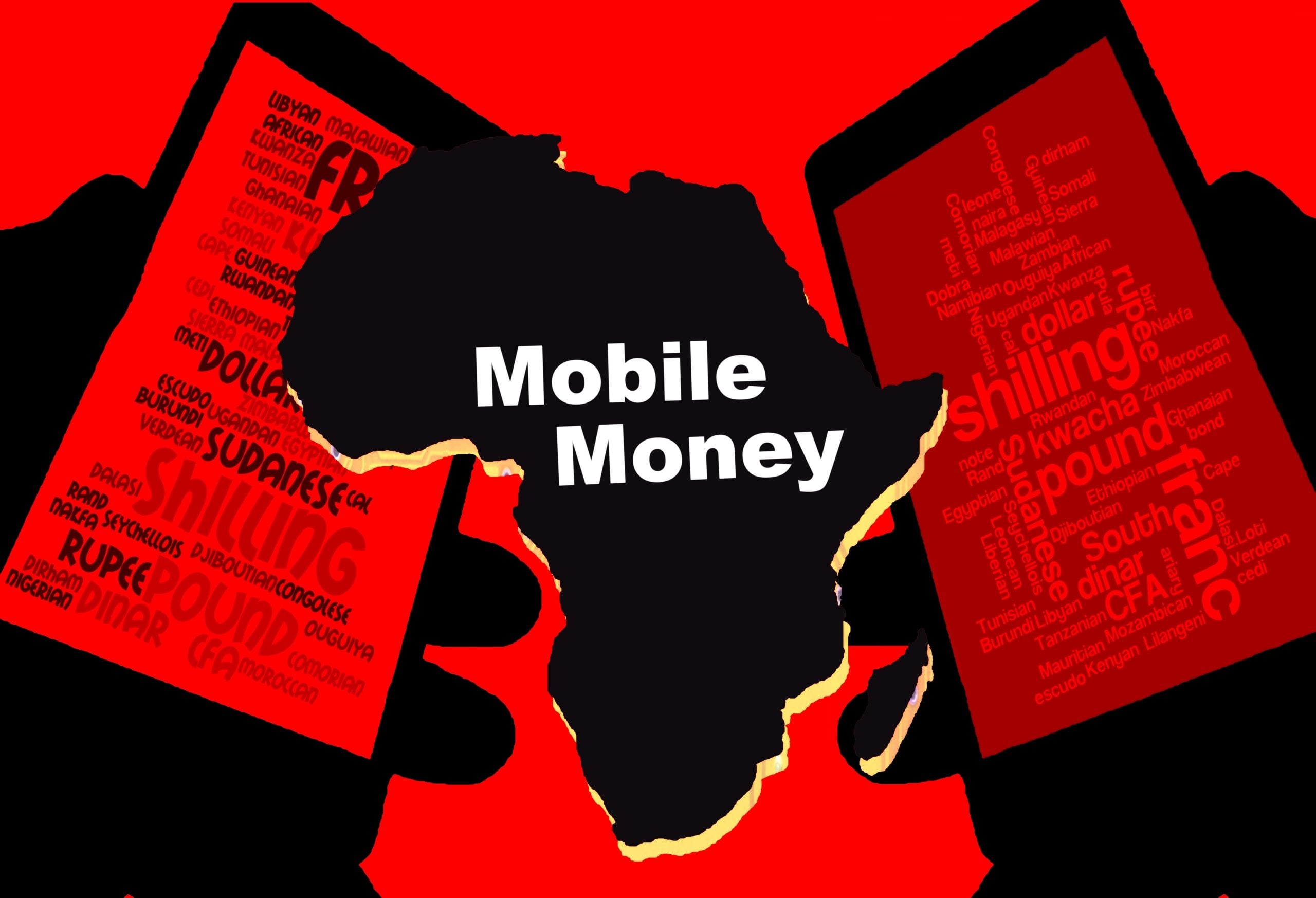
The image below illustrates the broader context of digital finance in Africa, where mobile money and digital assets are reshaping how people save and transact.
How to compare yield and security
Choosing a stablecoin savings platform in Africa requires balancing regulatory compliance with yield transparency. The BVNK Stablecoin Utility Report 2026 confirms that Africa is the global frontrunner in stablecoin adoption, driven by a need for reliable cross-border value transfer. However, high yields often mask underlying risks. To evaluate platforms safely, focus on three pillars: regulatory standing, proof of reserves, and user accessibility.
Regulatory Compliance and Proof of Reserves
Prioritize platforms that are registered with local financial authorities or maintain clear partnerships with licensed custodians. Always verify that the platform publishes monthly or quarterly proof of reserves. This ensures that the stablecoins backing your savings are fully liquid and not lent out to speculative ventures. Avoid platforms that cannot provide transparent audit trails.
Yield Transparency
Yield in stablecoin savings comes from lending protocols or treasury bills. Look for platforms that clearly explain their yield source. If a platform promises returns significantly higher than the US Treasury rate without explaining the risk, treat it as a warning sign. Sustainable yields are typically tied to real-world assets or conservative lending strategies.
User Experience and Local Access
A secure platform is useless if you cannot easily deposit or withdraw funds. Check for support of local payment methods like mobile money (M-Pesa, MTN MoMo) or bank transfers. Platforms with intuitive interfaces and responsive local customer support reduce the friction of managing your savings.
Essential Security Hardware
While software platforms handle your savings, securing your private keys is your responsibility. A hardware wallet is the most effective way to protect your assets from online threats. Below are recommended hardware wallets for secure storage.


As an Amazon Associate, we may earn from qualifying purchases.
Platform Comparison
Use the table below to compare key features of leading stablecoin savings platforms. Always verify current regulatory status and yield terms directly with the provider.
| Platform | Regulatory Status | Yield Source | Local Payment Support |
|---|---|---|---|
| Platform A | Licensed Custodian | Treasury Bills | Mobile Money, Bank Transfer |
| Platform B | Unregulated DeFi | Lending Protocol | Crypto Only |
| Platform C | Partnered with Bank | Stablecoin Lending | Bank Transfer, Card |
Staying compliant with African regulations
Use this section to make the Best Stablecoin Savings Platforms in Africa decision easier to compare in real life, not just on paper. Start with the reader's actual constraint, then separate must-have requirements from details that are merely nice to have. A practical choice should survive normal use, maintenance, timing, and budget. If a recommendation only works in an ideal situation, call that out plainly and give the reader a fallback path.
The simplest way to use this section is to write down the must-have criteria first, then compare each option against those criteria before weighing nice-to-have features.
Frequently asked questions about stablecoin savings
Is saving in stablecoins legal in Africa? Regulatory frameworks are evolving rapidly across the continent. Nigeria, South Africa, Kenya, and Ghana are currently at the center of this shift, with stablecoins accounting for 43% of all crypto transactions in Sub-Saharan Africa. While usage is growing, the legal status varies by jurisdiction, so you must verify current regulations with local financial authorities before depositing funds.
How do I keep my stablecoin savings secure? Security is your primary responsibility when using decentralized or exchange-based savings platforms. For significant holdings, hardware wallets are the standard for protecting private keys. Consider using dedicated security hardware to isolate your assets from online threats, ensuring that your savings remain accessible only to you.


As an Amazon Associate, we may earn from qualifying purchases.
Can I access stablecoin savings on my phone? Yes. Most platforms are mobile-first, allowing you to manage savings via smartphones. This accessibility is particularly valuable in regions where traditional banking infrastructure is limited, enabling cross-border payments and savings without requiring a physical bank branch.
Are stablecoins fully backed by fiat currency? Reputable stablecoins are pegged to fiat currencies like the US Dollar, but they are not deposits in traditional banks. They do not carry government insurance (such as FDIC coverage). You are relying on the issuer’s proof of reserves and the platform’s solvency, making due diligence on the specific stablecoin and platform essential.
No comments yet. Be the first to share your thoughts!