Why stablecoins matter for African wealth
Inflation and currency volatility have long been the silent eroders of savings across Africa. When local currencies depreciate rapidly, the value of money held in traditional bank accounts shrinks, regardless of the interest rates offered. For many investors, the choice has historically been stark: accept the loss of purchasing power or seek high-risk alternatives that often come with regulatory uncertainty or limited access.
Stablecoins offer a different path. By pegging digital assets to the US dollar, they provide a mechanism for preserving value without requiring entry into speculative trading markets. This is not about chasing the next 100x gain; it is about maintaining the real-world purchasing power of your capital. For African investors, this utility is becoming increasingly vital as a hedge against macroeconomic instability.
Among the various stablecoins available, USDC (USD Coin) stands out as the primary vehicle for savings. Backed by regulated financial institutions and subject to regular audits, USDC offers a level of transparency and stability that is essential for wealth preservation. It serves as a digital dollar, allowing investors to hold value in a currency that remains relatively stable compared to many local alternatives.
The adoption of this tool is already visible in the market. Stablecoins accounted for 43% of crypto transaction volume in sub-Saharan Africa in 2024, according to an industry report by Yellow Card. This figure underscores a shift in behavior: investors are increasingly turning to stablecoins not for speculation, but for practical financial resilience.
This trend reflects a growing recognition that digital assets can serve a foundational role in personal finance. By focusing on stablecoins like USDC, investors can mitigate the risks associated with currency devaluation while maintaining liquidity and ease of transfer. The goal is simple: protect what you have earned from the erosive effects of inflation.
5 Stablecoin Savings Strategies for African Investors in 2026
For African investors navigating 2026’s regulatory landscape, USDC offers a compliant, dollar-pegged alternative to volatile local currencies. This guide outlines five practical savings strategies using verified platforms and official sources to secure capital without relying on speculative crypto trends.
-
Use USDC for cross-border remittances
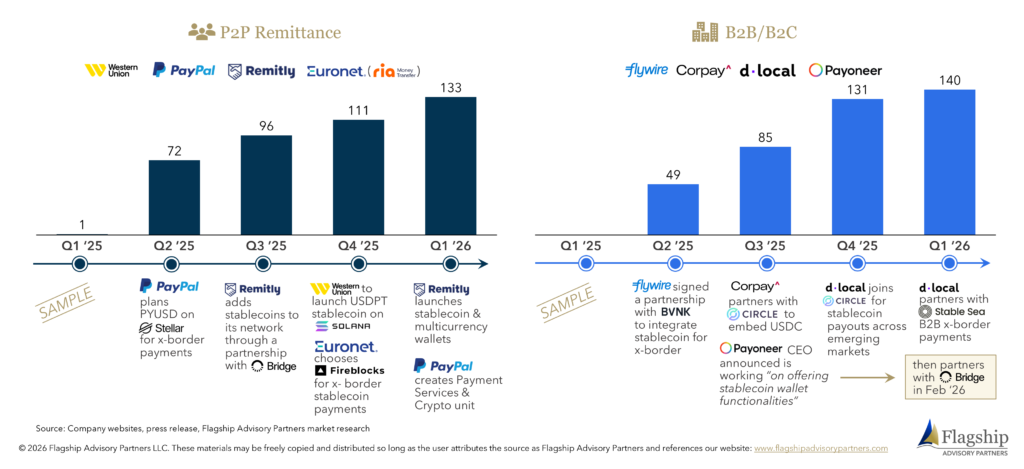
Sending money across borders often involves steep fees and days of waiting. USDC offers a faster, cheaper alternative for African investors receiving remittances. By converting fiat to USDC, senders bypass traditional banking rails, reducing costs significantly. Recipients can then hold or spend this digital dollar directly, preserving value during transit and ensuring funds arrive quickly without excessive intermediary deductions. -

Earn yield through regulated DeFi protocols
Traditional savings accounts in many African nations offer negligible returns against inflation. Regulated DeFi protocols allow investors to lend their USDC, earning competitive yields that outpace local bank rates. While this requires understanding smart contract risks, choosing audited, compliant platforms provides a practical way to grow savings. This strategy transforms idle cash into productive assets, leveraging global liquidity for local financial gain. -
Hedge against local currency devaluation
Local currencies in several African economies face persistent depreciation pressures. Holding USDC acts as a digital anchor, preserving purchasing power when fiat values erode. Unlike physical cash, digital dollars do not lose value to inflation or currency controls. This strategy provides a crucial safety net, allowing investors to maintain wealth stability and access international pricing power without relying on volatile local monetary policies. -

Leverage licensed local crypto exchanges
Navigating crypto markets requires trusted entry points. Licensed local exchanges provide a regulated gateway for African investors to buy and sell USDC using local payment methods. These platforms ensure compliance with regional financial laws, offering security and consumer protection that unregulated peers lack. By using verified exchanges, investors reduce counterparty risks and gain access to deeper liquidity pools for their stablecoin transactions. -
Diversify with multiple stablecoin issuers
Relying solely on one issuer introduces concentration risk, despite USDC’s strong reputation. Diversifying holdings across multiple reputable stablecoin issuers mitigates the impact of potential regulatory changes or technical failures affecting a single entity. This approach spreads risk while maintaining exposure to dollar-pegged assets. Investors should carefully evaluate each issuer’s reserve transparency and regulatory standing to ensure long-term capital preservation.
Common questions about stablecoin savings
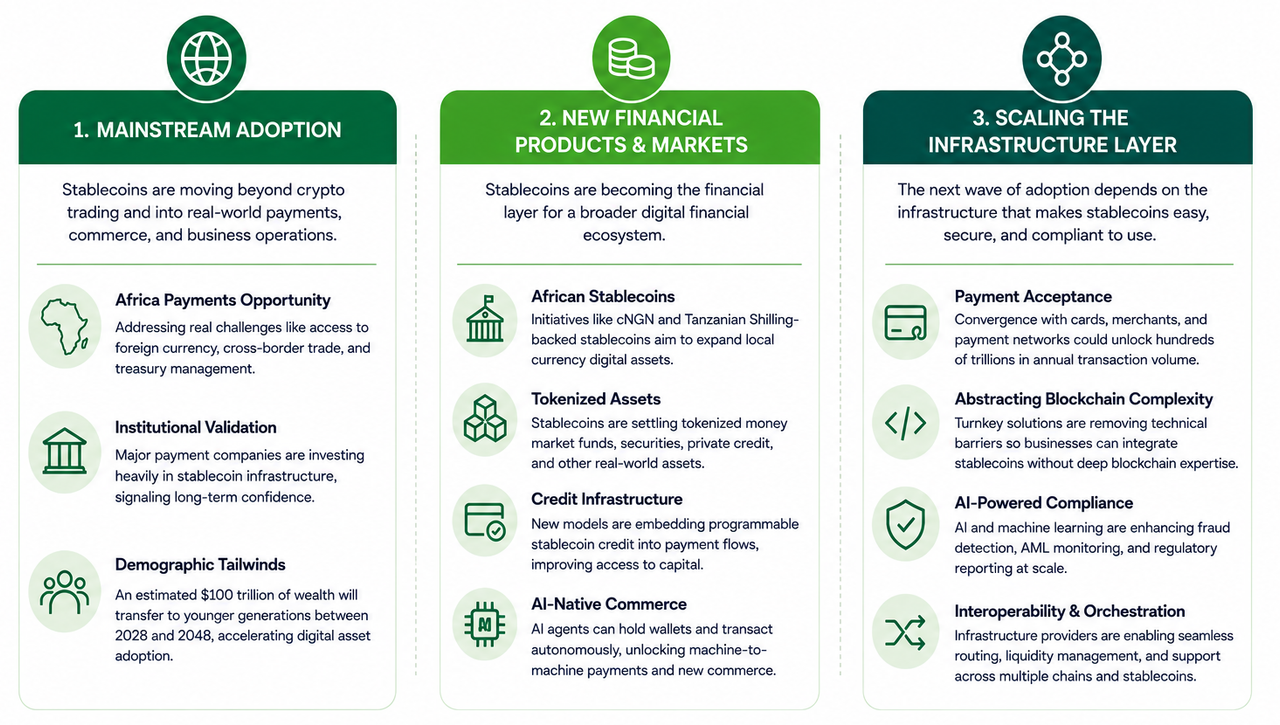
Stablecoins have moved from speculative assets to practical treasury tools across the continent. With 43% of crypto transaction volume in sub-Saharan Africa now held in stablecoins, understanding the mechanics is essential for safe savings strategies.
What is the current usage of stablecoins in Africa?
Stablecoins are primarily used for cross-border payments and inflation hedging. According to Visa, over $220 billion in stablecoins are currently in circulation globally, with significant traction in economies facing high inflation. For African investors, this means using USD-pegged assets to insulate savings from local currency volatility.
Who is the biggest crypto vendor in Africa?
Yellow Card is currently the largest crypto exchange in Africa, serving millions of users across the continent. Their 2024 industry reports highlight that stablecoins now account for nearly half of all crypto transaction volume in the region, making them a dominant force in digital finance.
Why don't banks like stablecoins?
Traditional banks view stablecoins as a regulatory blind spot and a potential channel for illicit finance. However, the economic incentive is clear: if just 25% of African remittance flows shifted to stablecoin transfers, the continent could save $4.8 billion annually in fees, according to analysis by The Banker.
How do I convert stablecoins back to cash?
Most African investors use peer-to-peer (P2P) platforms or local exchange vendors to convert stablecoins like USDC into local currency. Always verify the vendor’s reputation and use escrow services to prevent fraud. For physical needs, consider using Amazon gift cards or prepaid cards linked to your crypto wallet for direct spending.
Start saving with stablecoins today
The transition from traditional savings to digital dollars is no longer theoretical. With stablecoins now accounting for 43% of crypto transaction volume in sub-Saharan Africa, the infrastructure for practical savings is already in place [src-serp-1]. The primary advantage remains clear: using USDC insulates your capital from local currency volatility, effectively dollarising your savings without the friction of traditional banking [src-serp-4].
To begin, prioritize security over yield. The potential savings from shifting even a fraction of remittance flows to stablecoins could reach $4.8 billion annually for the continent [src-serp-3], but these funds are only safe if stored correctly. Hardware wallets provide the necessary cold storage to protect your assets from online threats, ensuring that your savings strategy remains robust against digital risks.


As an Amazon Associate, we may earn from qualifying purchases.
Start small by converting a manageable portion of your income into USDC. Treat this as your emergency fund or long-term savings vehicle, not a speculative asset. As adoption grows in markets like South Africa and Nigeria, the network effects will only make these tools more accessible and efficient [src-serp-2]. Your first step is simply to secure your keys and begin.
No comments yet. Be the first to share your thoughts!