Stablecoin adoption in Africa: 2026 limits to account for
By 2026, stablecoins have shifted from niche experimentation to mainstream utility in Africa, driven by the need for reliable cross-border payments and inflation hedging. Industry data indicates that 79% of crypto-active Africans now hold stablecoins, with 76% expressing intent to increase usage. This surge reflects a pragmatic response to local economic pressures rather than speculative trading.
However, growth faces distinct constraints. Regulatory frameworks vary significantly across the continent. While some nations have embraced digital asset innovation with clear guidelines, others maintain restrictive policies that complicate onboarding and compliance. The absence of a unified continental regulatory approach means businesses must navigate a patchwork of local laws, increasing operational complexity and cost.
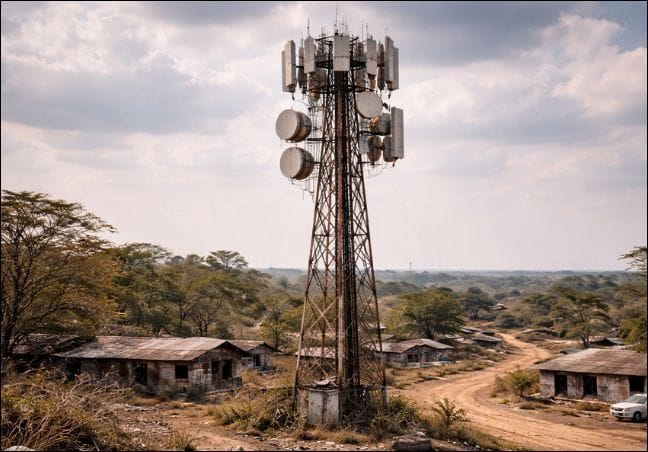
Infrastructure limitations also play a role. Internet connectivity and mobile money integration are improving, but rural areas still lag behind urban centers. This digital divide affects how effectively stablecoins can reach underserved populations. Additionally, currency volatility in some regions creates exchange rate risks that can erode the benefits of using stablecoins for savings or remittances.
Despite these challenges, the trajectory remains positive. Financial inclusion efforts are increasingly focused on simplifying user interfaces and reducing transaction fees. As regulatory clarity improves and infrastructure expands, stablecoins are becoming a critical tool for economic resilience in Africa.
Stablecoin adoption in Africa: 2026 choices that change the plan
The surge in stablecoin ownership across Africa—reportedly reaching 79% among crypto-active users in 2026—signals a structural shift in how the continent handles value transfer. This isn't just speculation; it's a practical response to local economic friction. However, the choice of stablecoin matters. The tradeoffs between speed, cost, regulatory safety, and liquidity define which tokens actually drive financial inclusion.
Speed and Settlement Finality
For cross-border payments, time is money. Traditional banking rails can take days to settle, while stablecoins offer near-instant finality. In 2026, the difference between a 24-hour settlement and a 15-second confirmation is the difference between a business surviving a cash-flow gap or missing a supplier deadline. Users must evaluate which blockchain network supports their preferred stablecoin, as transaction speeds vary significantly between Ethereum, Tron, and Solana. Faster networks reduce the window for price slippage, even if the asset is pegged.
Fees and Transaction Costs
Low fees are the primary driver of adoption in price-sensitive markets. While some networks charge excessive gas fees during peak times, others offer near-zero costs for stablecoin transfers. The tradeoff here is often between decentralization and cost. Highly decentralized networks like Ethereum mainnet can be expensive for small transfers, whereas Layer-2 solutions or alternative chains offer cheap transactions but may sacrifice some decentralization guarantees. For remittances, where margins are thin, a $0.50 fee is a dealbreaker, while a $0.01 fee is negligible.
Regulatory Compliance and Risk
Not all stablecoins are created equal from a legal standpoint. In 2026, regulatory frameworks across Africa are evolving, with some countries embracing stablecoins and others restricting them. Users should prioritize stablecoins issued by entities that comply with local regulations and maintain transparent reserve audits. The partnership between major players like Tether and LemFi to accelerate compliant cross-border payments highlights the industry's push toward regulatory alignment. Choosing a non-compliant stablecoin exposes users to potential freezing of assets or legal risks as governments tighten oversight.
Liquidity and On-Ramp/Off-Ramp Access
A stablecoin is only useful if you can easily convert it to local currency or spend it. Liquidity varies by region; in major hubs like Lagos, Nairobi, and Cape Town, on-ramps and off-ramps are abundant. In rural areas, access may be limited to peer-to-peer (P2P) markets, which can carry higher premiums and risks. Users must evaluate the depth of local liquidity for their chosen stablecoin. High liquidity ensures that large transactions don't significantly impact the peg, while low liquidity can lead to slippage and difficulty exiting positions.
| Factor | Speed | Cost | Compliance | Liquidity |
|---|---|---|---|---|
| Major Chains (ETH, SOL) | High | Variable | Moderate | High |
| Layer-2 Solutions | Very High | Low | Evolving | Medium |
| Alternative Chains (TRON) | High | Very Low | Low-Moderate | High |
| P2P Markets | Depends | Premium | Low | Low |
The choice of stablecoin is a balance of these four factors. For small, frequent remittances, low cost and speed are paramount. For larger business transactions, compliance and liquidity take precedence. As the ecosystem matures in 2026, users who understand these tradeoffs will be better positioned to leverage stablecoins for genuine financial inclusion rather than speculative gain.
How to choose the right stablecoin tools for your needs
Stablecoin adoption in Africa is accelerating, with recent data showing 79% ownership among crypto-active users and 76% forward intent. To participate safely, you need reliable hardware and secure software. This guide breaks down the essential tools for managing digital assets.
1. Secure hardware storage
Hardware wallets are the first line of defense against theft. They keep your private keys offline, making them immune to online hacks. Look for devices with strong community support and transparent security audits.


As an Amazon Associate, we may earn from qualifying purchases.
2. Reliable mobile wallets
For daily transactions, mobile wallets offer speed and convenience. Choose platforms that support major stablecoins like USDT and USDC, and offer low fees for peer-to-peer transfers. Ensure the app has a strong reputation in your region.
3. Secure internet access
A stable internet connection is critical for verifying transactions. Use trusted networks and avoid public Wi-Fi for sensitive operations. Consider using a VPN for added privacy when accessing decentralized exchanges.
4. Regulatory compliance tools
Stay informed about local regulations. Some platforms require KYC (Know Your Customer) verification. Use tools that help you track your transaction history for tax purposes and ensure compliance with local laws.
5. Education and community
Join local crypto communities to stay updated on best practices and security threats. Many platforms offer educational resources to help you understand the technology and risks involved.
Spotting Weak Options and Misleading Claims
As stablecoin adoption accelerates across Africa, the market is flooded with platforms promising instant financial inclusion. However, not every option delivers on that promise. Many services rely on opaque custody structures or hidden fees that erode the value of remittances. Before integrating any new tool, verify whether the platform holds proper regulatory licenses in your specific jurisdiction. Regulatory compliance is the primary safeguard against sudden service shutdowns or frozen assets.
Be wary of platforms that claim to "replace" traditional banking without offering clear on-ramp and off-ramp liquidity. A common mistake is assuming that high adoption rates equate to reliability. For instance, while Nigeria often leads in user volume, the underlying infrastructure stability varies significantly between providers. Always check if the platform supports direct fiat withdrawals to local bank accounts or mobile money wallets, as this is the critical link for true financial inclusion.
Another prevalent issue is the use of non-pegged or poorly audited stablecoins. Some local projects issue tokens that deviate from the US dollar peg, exposing users to unnecessary volatility. Stick to established, regulated stablecoins like USDC or USDT where available, and avoid unverified local alternatives. The goal is to preserve purchasing power, not to gamble on experimental tokenomics. Verify the reserve audits of any platform you use to ensure that every token is backed by real, accessible assets.
Stablecoin adoption in Africa 2026: what to check next
Stablecoins are not here to replace the US dollar. They act as a bridge, allowing users to hold value without the volatility of local currencies or Bitcoin. This stability is why they now account for 43% of all crypto transactions on the continent, moving digital assets beyond speculation into daily commerce.
Nigeria currently leads Africa in cryptocurrency adoption, followed closely by South Africa and Kenya. These nations have the highest demand for stablecoins due to local currency instability and high cross-border payment needs. Partnerships between Tether and LemFi are accelerating this trend by making transfers faster and cheaper for everyday users.
Binance remains the biggest crypto vendor in Africa, holding the largest market share. It offers the deepest liquidity and widest range of stablecoin pairs, making it the primary on-ramp for most African traders. However, regulatory scrutiny has pushed some users toward decentralized exchanges or peer-to-peer platforms to avoid centralization risks.
Current usage focuses on remittances and savings. With 79% ownership among crypto-active Africans, stablecoins are used to send money home without hefty bank fees or to protect savings from inflation. This practical utility drives the 76% forward intent for adoption in 2026.
No comments yet. Be the first to share your thoughts!