Africa stablecoin adoption 2026 limits to account for
Nigeria leads Africa in cryptocurrency adoption, with approximately 13 million users as of the latest data, followed by Kenya (4.5 million) and South Africa (4.2 million). This high user base drives significant demand for stablecoins, which serve as a bridge between local fiat currencies and the global digital economy.
However, adoption faces regulatory constraints. While the African Stablecoin Summit in November 2026 aims to accelerate blockchain integration, individual countries are still navigating complex compliance frameworks. Users must verify local regulations before transacting, as legal status varies significantly across the continent.
For those seeking reliable options, USDC and USDT remain the most accessible stablecoins for African users due to their liquidity and widespread exchange support. Always prioritize platforms that offer clear regulatory compliance and transparent reserve audits to mitigate risk in this evolving landscape.
Weighing the tradeoffs of stablecoin adoption in Africa
The shift toward digital savings in Africa is no longer just about speculation; it is about utility. As 2026 progresses, users in Nigeria, Kenya, and South Africa are choosing stablecoins for cross-border payments and inflation hedging. However, not all digital dollars are created equal. Choosing the wrong asset can mean higher fees, slower settlement times, or regulatory hurdles that freeze your funds.
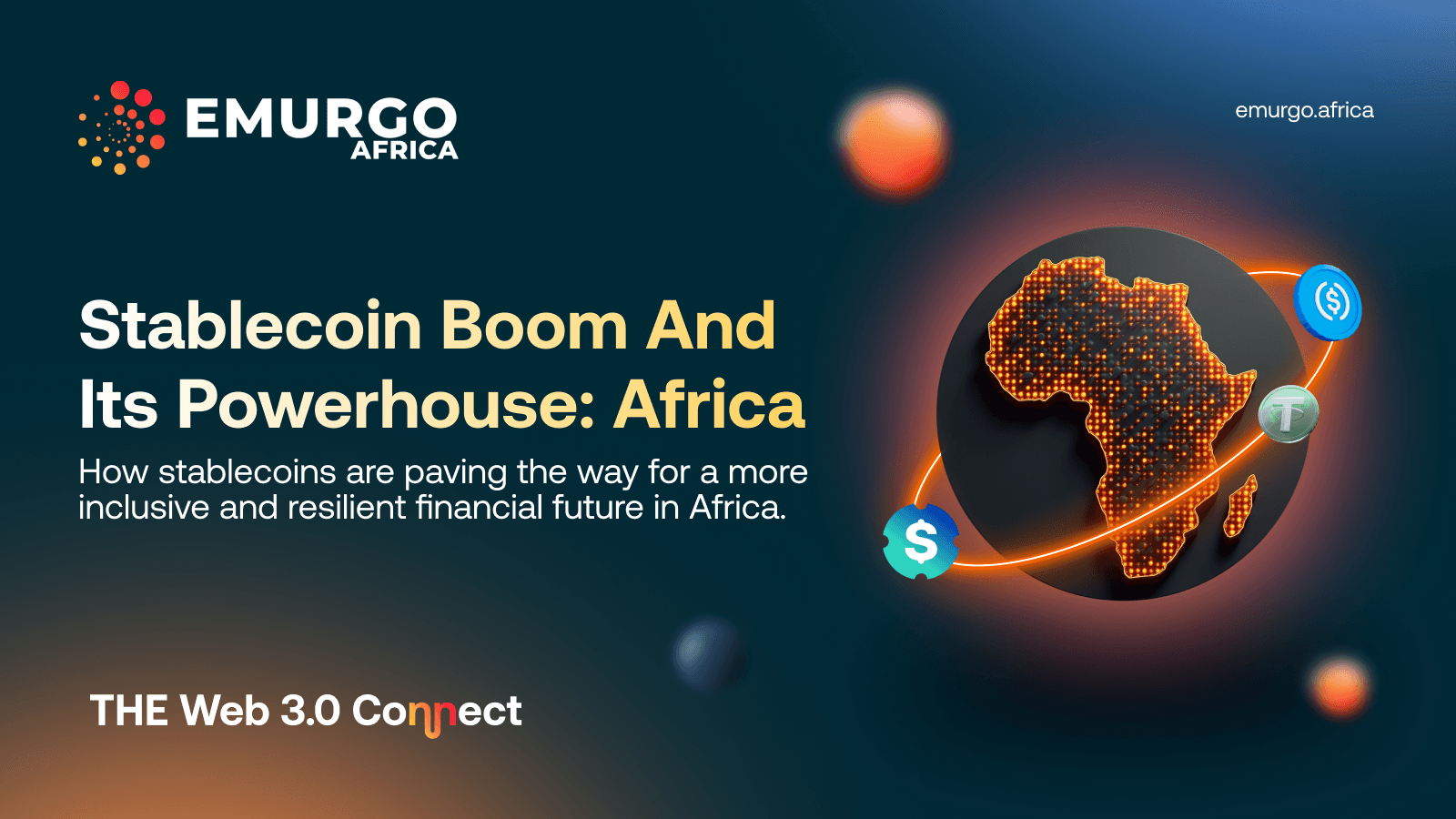
The market has consolidated around four primary options, each serving a different need. USDC offers the strongest regulatory backing for users prioritizing safety and native conversion. USDT provides the deepest liquidity and widest acceptance across African exchanges. PYUSD integrates seamlessly with PayPal’s payment rails, ideal for those already in that ecosystem. DAI appeals to those who prefer onchain collateral over traditional bank reserves.
To help you decide, here is how these options compare on the factors that matter most for African savers and traders.
| Asset | Issuer | Reserve Type | Best For |
|---|---|---|---|
| USDC | Circle | US Treasuries & Cash | Regulated safety & native conversion |
| USDT | Tether | Mixed (Cash, Bonds, Commercial Paper) | Liquidity & exchange availability |
| PYUSD | PayPal | US Treasuries & Cash | PayPal users & payment rails |
| DAI | MakerDAO | Onchain Collateral | DeFi enthusiasts & decentralization |
Liquidity is often the deciding factor. In markets like Lagos or Nairobi, USDT remains the dominant pair against local currencies. If you need to move money quickly between exchanges or convert to fiat, USDT’s widespread acceptance makes it the practical default. However, this comes with a tradeoff: Tether’s reserve composition is less transparent than Circle’s, which holds USDC.
For users prioritizing regulatory clarity, USDC and PYUSD are safer bets. Circle publishes monthly attestation reports, and PayPal’s PYUSD is subject to US federal oversight. This transparency matters if you are holding significant savings or using stablecoins for business operations where compliance is a concern.
DAI offers a different value proposition. It is not issued by a single company but is backed by a diversified basket of onchain assets. This makes it resilient to the failure of any single issuer but exposes users to smart contract risks and crypto market volatility. For most African savers seeking a straightforward digital dollar, USDC or USDT remain the more accessible choices.
The choice ultimately depends on your primary goal: maximum liquidity, regulatory safety, or ecosystem integration. As the Africa Stablecoin Summit in November 2026 highlights, the infrastructure is maturing, but the onus remains on the user to select the right tool for their specific needs.
Choose the next step
Africa's Stablecoin Boom works best as a clear sequence: define the constraint, compare the realistic options, test the tradeoff, and choose the path with the fewest hidden costs. That order keeps the advice usable instead of decorative. After each step, pause long enough to check whether the recommendation still fits the reader's actual situation. If it depends on perfect timing, unusual access, or a best-case budget, include a simpler fallback.
Avoid the weak options
Use this section to make the Africa's Stablecoin Boom decision easier to compare in real life, not just on paper. Start with the reader's actual constraint, then separate must-have requirements from details that are merely nice to have. A practical choice should survive normal use, maintenance, timing, and budget. If a recommendation only works in an ideal situation, call that out plainly and give the reader a fallback path.
The simplest way to use this section is to write down the must-have criteria first, then compare each option against those criteria before weighing nice-to-have features.
Africa stablecoin adoption 2026: what to check next
Stablecoins are reshaping how African households save and transact, but practical concerns remain. Here are the most common questions about the 2026 landscape.
For real-time market context, monitor major stablecoin pairs to gauge liquidity and regional demand shifts.
Helpful gear
Use these product recommendations as a starting point, then choose the size, material, and price point that fit how you actually use the gear.


As an Amazon Associate, we may earn from qualifying purchases.
No comments yet. Be the first to share your thoughts!