
Why digital savings matter now
Currency volatility in many African markets is eroding the value of local savings faster than most traditional accounts can compensate. When the naira, shilling, or rand fluctuates, the purchasing power of a fixed deposit shrinks. Digital stablecoins offer a way to preserve that value by pegging savings to stable assets like the US dollar, shielding savings from local inflation and devaluation.
The urgency is visible in consumer behavior. In countries like Nigeria, South Africa, and Algeria, citizens already prefer saving in dollars to protect their wealth, as reported by Business Insider. Digital platforms make this preference accessible without the need for physical cash or complex banking procedures. This shift is not just about convenience; it is about financial survival in an unstable economic landscape.
Consider the scale of potential impact. According to The Banker, if just 25 percent of African remittance flows shifted to stablecoin transfers, the continent could save $4.8 billion annually. This figure highlights how digital savings can reduce friction and cost, keeping more money in the hands of those who need it most. For many, this is not a speculative gamble but a practical tool for maintaining stability.
Calculating your stablecoin yield
Estimating returns on stablecoin savings requires more than picking a platform; it demands a clear view of the inputs. You need to compare the annual percentage yield (APY) offered by digital platforms against the interest rates available from traditional local banks. This comparison helps you understand the real value of locking your funds in a digital vault versus keeping them in a physical branch.
The calculation is straightforward but sensitive to the variables you provide. Small changes in the APY or the duration of your savings can significantly alter the final amount. To get an accurate estimate, you must use current market rates and realistic timeframes.
Use the calculator below to project your potential earnings. Enter your starting principal, the expected APY, and the number of months you plan to save. The tool will show you the projected return in USD and an approximate equivalent in local currency, based on current exchange rates.
Remember that APY figures from digital platforms can fluctuate. Some platforms offer variable rates that change weekly or monthly based on market demand. Always check the current rate before making a long-term commitment. Traditional bank rates are often more stable but typically lower.
For context, many African central banks are currently exploring regulatory frameworks for stablecoins to ensure consumer protection and financial stability. Organizations like the African Institute for Financial Regulation are actively working on guidelines that could impact how these platforms operate and the rates they can sustainably offer. Understanding this regulatory landscape is part of the risk assessment process.
When comparing yields, also consider hidden costs. Some platforms charge withdrawal fees or spread costs on currency conversion. These fees can eat into your profits, especially if you plan to move your money frequently. A higher APY might not be worth it if the exit costs are steep.
Finally, verify the source of the yield. High returns often come from lending your stablecoins to borrowers or providing liquidity to trading pairs. This introduces counterparty risk. If the borrower defaults or the trading pair faces issues, your principal could be at risk. Always read the platform’s terms to understand where your money is working.
Comparing top savings platforms
Use this section to make the Africa Stable Save decision easier to compare in real life, not just on paper. Start with the reader's actual constraint, then separate must-have requirements from details that are merely nice to have. A practical choice should survive normal use, maintenance, timing, and budget. If a recommendation only works in an ideal situation, call that out plainly and give the reader a fallback path.
| Factor | What to check | Why it matters |
|---|---|---|
| Fit | Match the option to the primary use case. | A good deal still fails if it does not fit the job. |
| Condition | Verify age, wear, and service history. | Hidden condition issues erase upfront savings. |
| Cost | Compare purchase price with likely upkeep. | The cheapest option is not always the lowest-cost option. |
Regulatory risks and safeguards
The legal landscape for stablecoins in Africa is shifting rapidly. While digital platforms promise instant cross-border savings, they operate in a patchwork of national rules. A platform compliant in Kenya may face restrictions in Nigeria or Ghana. Users must verify that their chosen stablecoin savings platform adheres to the specific financial regulations of their country of residence.
Regulatory uncertainty is the primary risk. Central banks across the continent are still defining how to treat digital assets. Some nations have banned them outright, while others are creating sandbox environments for testing. This volatility means a platform’s legal status can change with little notice. Always check for recent announcements from your local financial regulator before depositing funds.
To navigate this environment, prioritize platforms that are registered with official financial authorities. Look for clear terms of service that explicitly state compliance with local anti-money laundering (AML) and know-your-customer (KYC) laws. Avoid anonymous or unregulated exchanges that offer high yields but lack legal oversight. The cost of non-compliance is total loss of access to your funds.
For a clearer picture of how regulations differ, compare the requirements of major African markets. The table below highlights key regulatory stances in selected countries.
| Country | Stablecoin Status | User Risk |
|---|---|---|
| Nigeria | Restrictive (CBN Ban on Banks) | High – Platform access may be blocked |
| Kenya | Evolving (Central Bank Oversight) | Medium – Compliance required |
| South Africa | Regulated (FSCA Oversight) | Low – Clearer legal framework |
Choosing a compliant platform is your best safeguard. It ensures that your savings are protected under local consumer protection laws. If a platform cannot clearly state its regulatory registration, assume it is not compliant. In the high-stakes world of digital savings, legal clarity is your only real security.
Essential reading for savers
Understanding the mechanics of digital savings requires looking beyond the technology to the economic realities on the ground. Books and reports that explain financial inclusion, stablecoin mechanics, and African economic trends provide the context needed to navigate these tools safely.
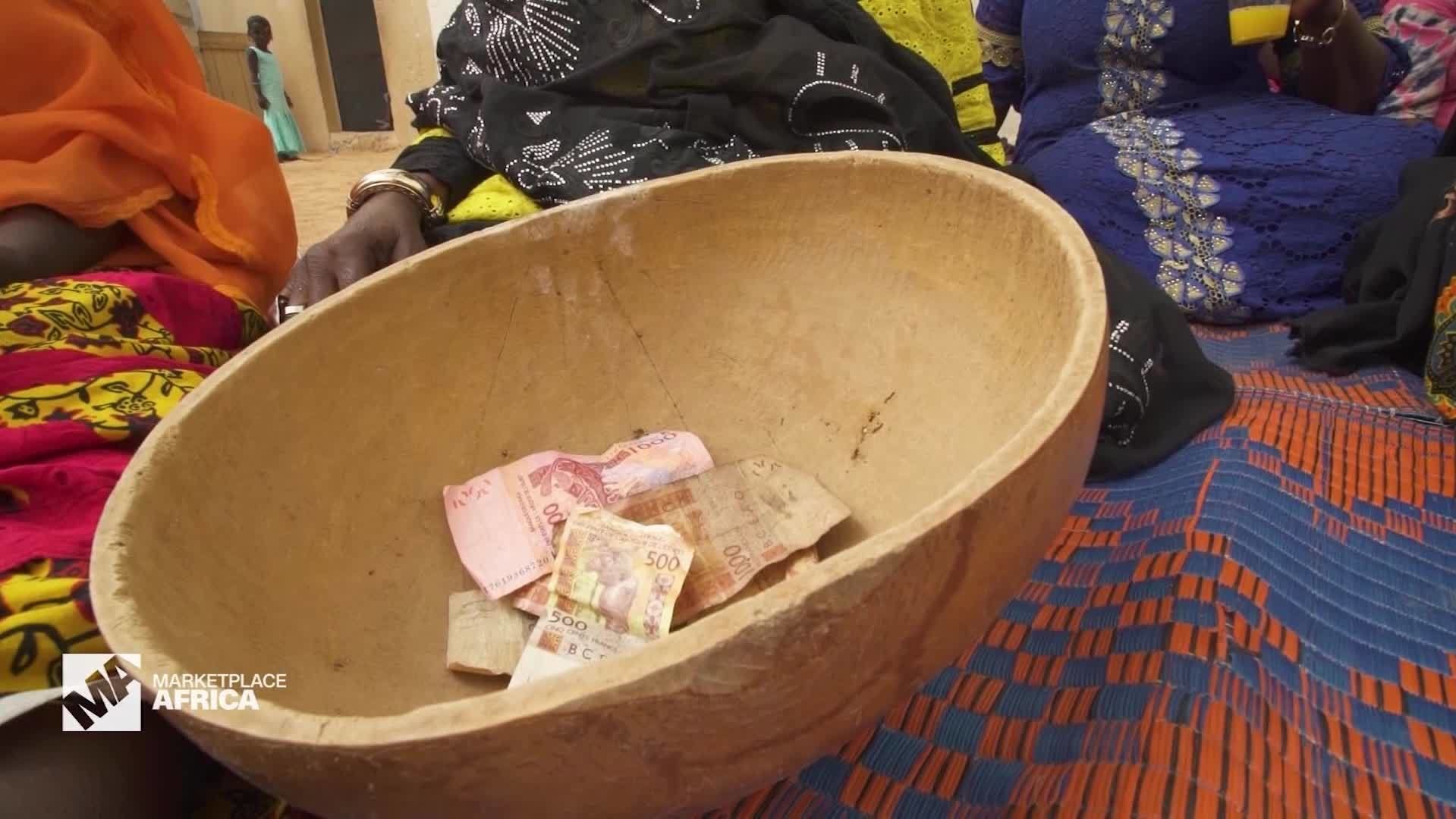
These resources help savers distinguish between genuine financial innovation and speculative hype. They offer concrete data on how digital platforms interact with traditional savings systems like tontines, and why understanding local regulatory frameworks is essential for long-term stability.


As an Amazon Associate, we may earn from qualifying purchases.
Common questions about stable savings
Stablecoins offer speed, but they are not risk-free. Understanding the regulatory and technical realities is essential for protecting your capital in Africa's evolving digital finance landscape.
No comments yet. Be the first to share your thoughts!