Africa stable save
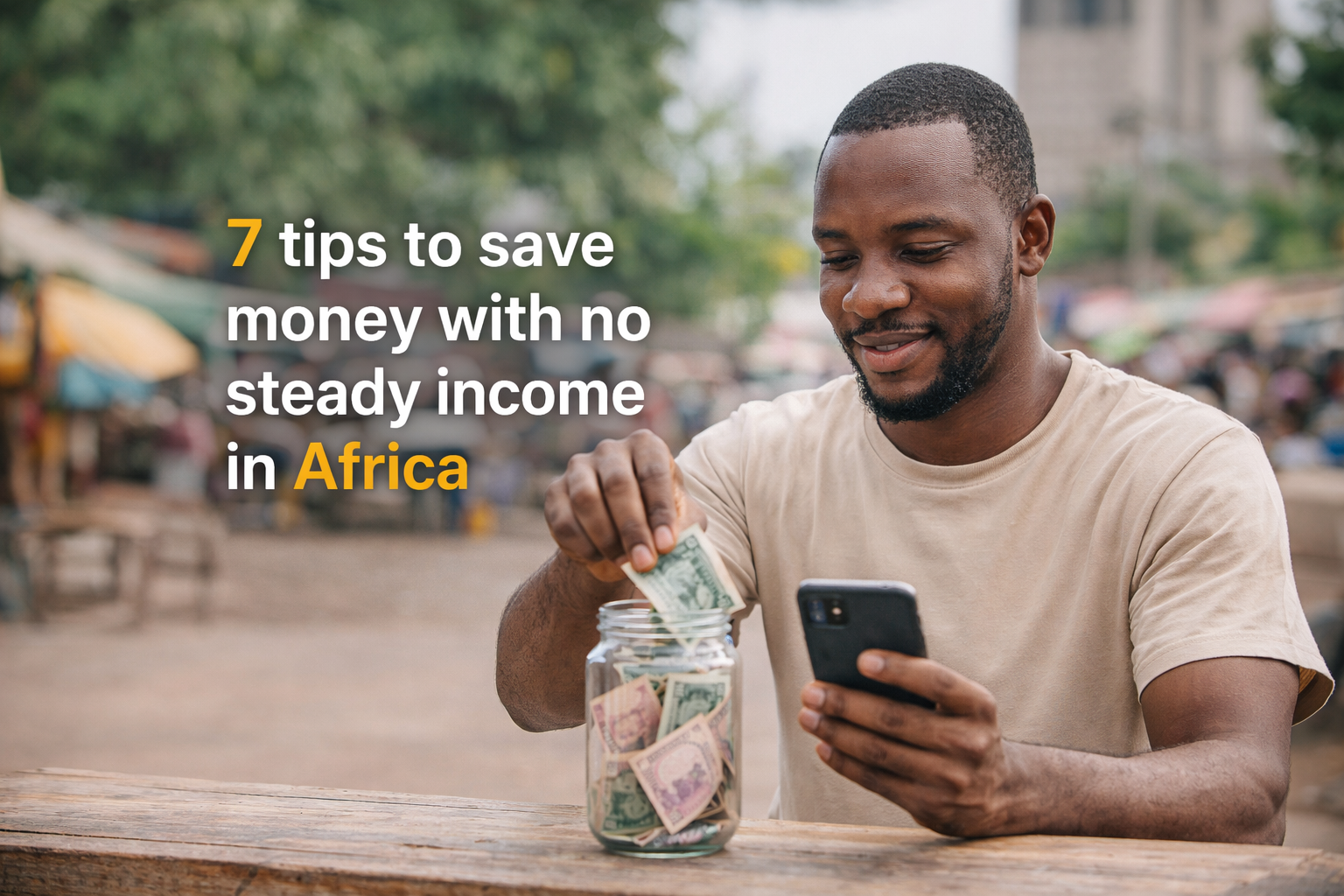
For millions of Africans, saving is less about building wealth and more about stopping the leak. High inflation and volatile local currencies erode purchasing power faster than most traditional accounts can compensate. This is the core reason behind the shift toward Africa stable save strategies using digital tools. The goal is simple: keep your money in a currency that doesn't shrink while you sleep.
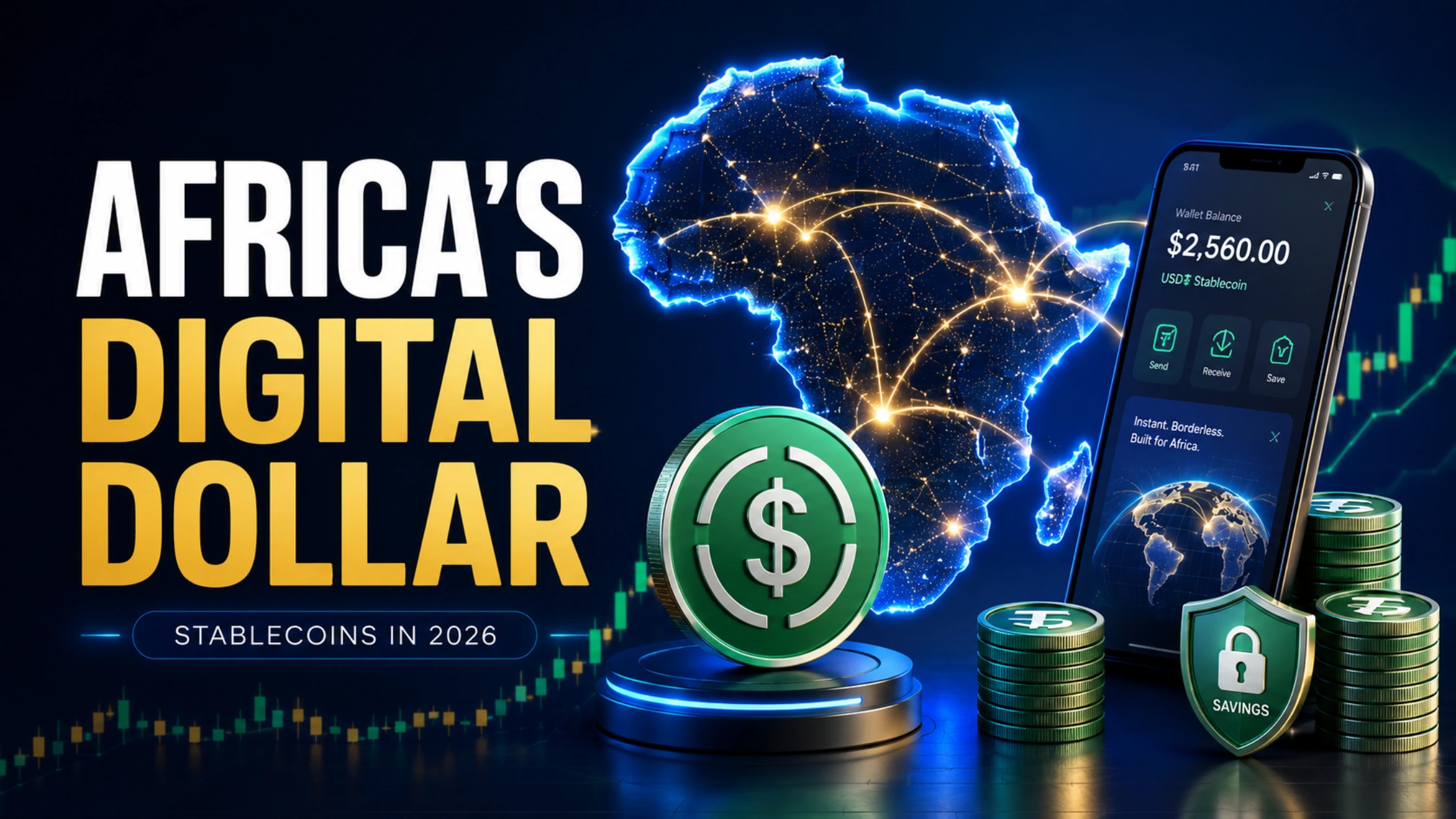
The mechanics are straightforward. By moving savings into stablecoins pegged to the US dollar, savers bypass local currency devaluation. This isn't just theory; it is a growing financial reality. If just 25% of African remittance flows shifted to stablecoin transfers, the continent could save $4.8bn annually, according to industry analysis. That capital stays intact rather than vanishing through exchange fees and inflation.
However, "stable" does not mean risk-free. Digital savings tools require you to manage your own security. Unlike a bank, there is no deposit insurance. You must choose platforms that are regulated in their jurisdictions and understand the technical steps to secure your assets. The trade-off is clear: you accept technical responsibility in exchange for preserving the real value of your savings against local economic turbulence.
Africa stable save choices that change the plan
Choosing a digital savings tool in Africa means balancing speed, cost, and accessibility. While stablecoins offer a hedge against local currency inflation, they introduce new risks around regulation and technical literacy. Understanding the concrete differences between platforms helps you avoid hidden fees or frozen assets.
Comparison of Savings Options
The following table compares common digital savings vehicles available across major African markets. Use this to evaluate which tool aligns with your access to banking infrastructure and your tolerance for volatility.
| Tool Type | Access Method | Typical Cost | Primary Risk |
|---|---|---|---|
| Mobile Money | USSD/SMS | Low transaction fees | Platform liquidity |
| Fiat Stablecoins | Smartphone App | Network gas fees | Regulatory bans |
| Gold-Backed Tokens | Crypto Wallet | Higher spread | Peg de-pegging |
| Traditional Bank | Branch/App | Account maintenance | Local currency inflation |
Evaluating the choices that change the plan
Mobile money remains the most accessible option, requiring only a basic phone. However, it does not protect against inflation. Fiat stablecoins like USDT or USDC offer inflation protection but require internet access and knowledge of crypto wallets. Gold-backed tokens provide a tangible asset backing but often come with wider spreads and lower liquidity.
Regulatory uncertainty is the biggest variable. Some countries have banned crypto transactions entirely, while others are integrating them into formal banking systems. Always check the current legal status in your specific country before funding an account.
Calculate Your Potential Savings
Use this calculator to estimate how much you might save by shifting a portion of your savings from a high-inflation local currency to a stable asset. Adjust the inputs to reflect your local inflation rate and the amount you consider saving monthly.
How to Choose the Right Stable Save Tool
Selecting a digital savings tool requires matching your specific risk tolerance and transaction needs to the right platform. The goal is to protect your capital from inflation while keeping enough liquidity for daily expenses. Follow this framework to evaluate options without falling for high-yield traps.
Determine how quickly you need access to your funds. If you rely on the money for daily bills, prioritize tools with instant withdrawal capabilities. Avoid platforms that lock funds for 30 days or more, as inflation erodes value faster than you can recover it.
Ensure the stablecoin is pegged 1:1 to a hard currency like the US dollar. Look for platforms that publish monthly reserve audits. If a platform promises yields significantly above market rates without clear backing, it likely carries hidden depegging risks.
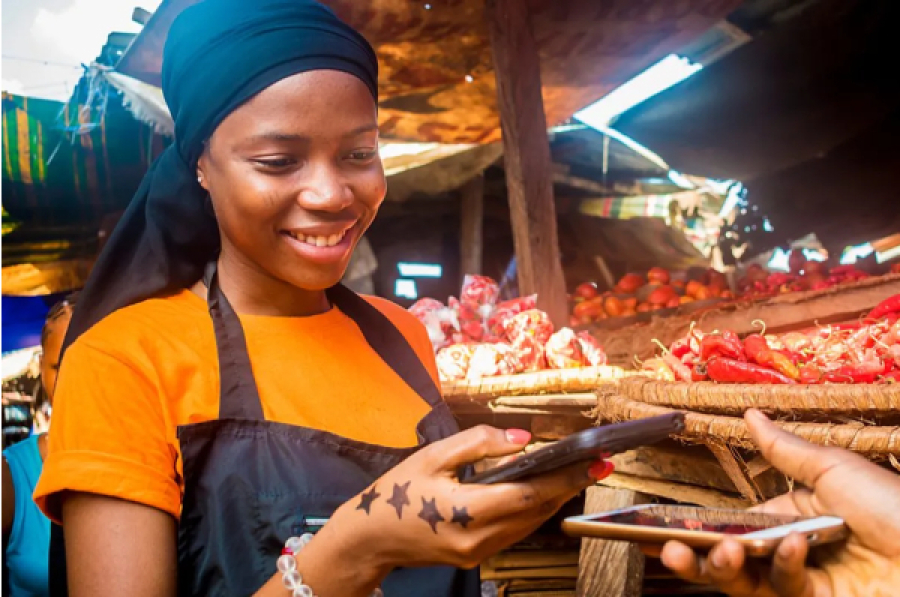
Calculate the total cost of moving money. Some platforms charge high withdrawal fees that eat into small savings. Choose a tool with low or zero fees for small transfers if you plan to save incrementally. Check for monthly transaction limits that might restrict your access during emergencies.
Confirm the platform is licensed in your jurisdiction. Regulatory compliance offers a layer of legal recourse if something goes wrong. Prefer platforms that partner with regulated banks or custodians to hold your underlying assets.


As an Amazon Associate, we may earn from qualifying purchases.
The calculator above shows how quickly inflation erodes your savings if left in a non-interest-bearing local currency. By switching to a stable save tool, you preserve the nominal value of your capital, giving you a foundation to build upon.
Spot the Weak Options
Many digital savings platforms promise safety, but not all tools deliver. The market is crowded with options that look good on paper but fail in practice. Before you lock in your savings, check for these common red flags.
Hidden Fees on Withdrawals
Some apps advertise low deposit fees but charge steep withdrawal rates. This eats into your savings faster than inflation. Always calculate the total cost of moving your money out. If the fee exceeds 2%, look elsewhere.
Unregulated Custodians
Stablecoins are only as safe as the entity holding them. Avoid platforms that do not publish their reserve audits. If a provider cannot show proof of 1:1 backing, your savings are at risk. Stick to platforms regulated by recognized financial authorities in your jurisdiction.
Poor Local Currency Support
Not all tools handle local currencies well. Some force you to use USD, exposing you to exchange rate volatility. A good savings tool supports direct integration with your local bank or mobile money account. This reduces friction and hidden conversion costs.
Lack of Transparency
If the terms of service are vague, walk away. You need to know exactly what happens to your funds during bank holidays or technical outages. Clear, accessible support channels are non-negotiable for high-stakes savings.
Africa stable save: what to check next
Stablecoins are becoming a practical tool for preserving value, but they come with specific risks that differ from traditional banking. Here are the most common questions about using digital savings in the region.
What is the biggest issue in Africa today?
Currency volatility and high inflation are the primary drivers for seeking stable savings. When local currencies lose value rapidly, citizens turn to stablecoins to protect their purchasing power. This economic pressure is making digital assets a necessity rather than a luxury for many households.
What is the current usage of stablecoins in Africa?
Adoption is growing fastest in Nigeria, South Africa, and Kenya. Users are not just saving; they are using stablecoins to pay for goods, trade, and send remittances. Shifting even a small fraction of these flows to stablecoins could save the continent billions annually in transfer fees.
Which African country has the most stable economy?
Mauritius is often cited as having one of the most stable economic and safety profiles on the continent. However, stability varies by sector. Countries with strong digital infrastructure, like Kenya and South Africa, lead in the practical adoption of these financial tools despite broader macroeconomic fluctuations.
What are stablecoins pegged to gold?
These are digital tokens backed by physical gold reserves, such as PAX Gold (PAXG) or Tether Gold (XAUT). They offer a hedge against inflation without the storage risks of physical bullion. For those worried about fiat devaluation, gold-backed stablecoins provide a bridge between traditional store-of-value assets and digital efficiency.
No comments yet. Be the first to share your thoughts!