
Africa stablecoin regulation 2026: What has changed
The regulatory landscape for digital assets in Africa has shifted from experimental sandboxing to structured licensing. In 2026, the focus is no longer on whether stablecoins should exist, but on how they are integrated into the formal financial system. Jurisdictions that previously moved slowly are now establishing clear frameworks for compliance, consumer protection, and cross-border settlement.
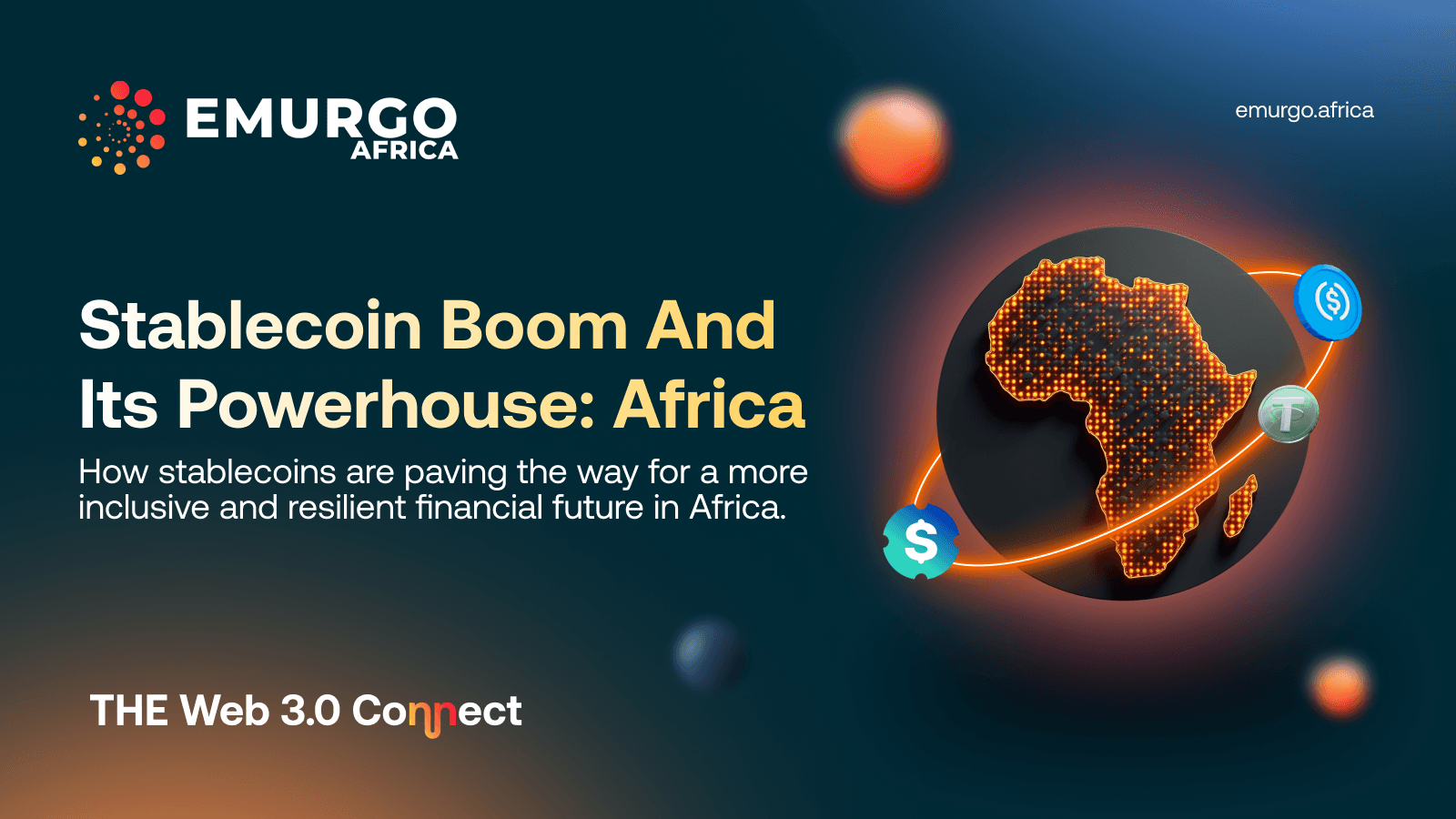
This shift is driven by the rapid adoption of stablecoins for trade and remittances. As noted in recent industry roundtables, the market has scaled faster than the rules designed to govern it. Regulators are now playing catch-up, aiming to mitigate risks while preserving the efficiency gains that digital currencies offer.
For businesses and individuals, this means a clearer path to compliance, but also stricter requirements. Key changes include mandatory licensing for stablecoin issuers, stricter anti-money laundering (AML) checks, and requirements for local custody of reserves. Understanding these local nuances is essential for operating legally and safely.
Key regulatory shifts by jurisdiction
- Nigeria: The Central Bank of Nigeria (CBN) has refined its guidelines on virtual asset service providers (VASPs). Stablecoin issuers must now register as crypto exchanges and adhere to strict capital adequacy ratios. The focus is on preventing capital flight and ensuring that stablecoins are fully backed by audited reserves.
- Kenya: The Central Bank of Kenya (CBK) has issued circulars directing financial institutions to block transactions with unlicensed crypto platforms. However, it is also exploring a regulatory sandbox for stablecoin pilots, signaling a cautious but open approach to innovation in cross-border payments.
- South Africa: The Financial Sector Conduct Authority (FSCA) classifies crypto assets as financial products. Stablecoin issuers must comply with the Financial Advisory and Intermediary Services (FAIS) Act, requiring them to hold licenses and meet fit-and-proper criteria. This brings stablecoins under the same scrutiny as traditional investment products.
These changes reflect a broader trend across the continent: regulation is becoming more specific, more enforceable, and more aligned with international standards. Staying informed is not just a legal obligation; it is a competitive advantage.
Africa stablecoin regulation 2026 choices that change the plan
As 2026 progresses, African jurisdictions are moving from experimental sandboxes to formalized licensing regimes. For businesses facilitating cross-border trade, this shift means managing a fragmented landscape where compliance requirements vary significantly by country. The primary decision is no longer whether to use stablecoins, but which regulatory framework best supports your operational volume and risk profile.
The tradeoffs often center on reserve backing standards and capital requirements. South Africa, for instance, is finalizing prudential safeguards that mirror traditional financial institution standards, offering stability but requiring higher compliance overhead. In contrast, East African hubs like Kenya and Rwanda are prioritizing speed and interoperability, allowing faster market entry but with less defined consumer protection mechanisms.
| Feature | South Africa | East Africa (Kenya/Rwanda) | West Africa (Nigeria/Ghana) |
|---|---|---|---|
| Regulatory Stage | Licensing finalization | Active sandbox / early license | Evolving enforcement |
| Reserve Requirements | Strict, audit-heavy | Flexible, tech-forward | Varies by provider |
| Cross-Border Flow | High friction, high security | Low friction, medium security | Medium friction, high volatility |
| Compliance Cost | High | Low to Medium | Medium |
When evaluating these options, consider your transaction volume. High-volume traders may find the clarity of South African regulations worth the initial setup cost, reducing long-term legal risk. Smaller, agile businesses might prefer the lower barriers to entry in East Africa, though they must monitor regulatory changes closely as frameworks mature.
| Feature | South Africa | East Africa | West Africa |
|---|---|---|---|
| Regulatory Stage | Licensing finalization | Active sandbox / early license | Evolving enforcement |
| Reserve Requirements | Strict, audit-heavy | Flexible, tech-forward | Varies by provider |
| Cross-Border Flow | High friction, high security | Low friction, medium security | Medium friction, high volatility |
| Compliance Cost | High | Low to Medium | Medium |
How to comply with 2026's stablecoin rules
Cross-border trade is moving faster than the regulations meant to guide it. By 2026, jurisdictions across Africa are finalizing frameworks that distinguish stablecoins from speculative assets. This shift creates a clearer path for businesses, but it also requires a disciplined approach to compliance. You cannot rely on the informal practices of 2024; the regulatory landscape now demands specific checks.
Use this step-by-step framework to ensure your operations align with the new standards. Each step addresses a critical compliance layer, from jurisdictional verification to technical audit trails. Following this sequence minimizes legal risk and ensures your stablecoin transactions are recognized as legitimate trade settlements.
1. Verify jurisdictional status
Not all African markets treat stablecoins the same way. Before initiating any large cross-border payment, confirm the current regulatory status of the issuing stablecoin in both the origin and destination countries. For example, while Nigeria and Kenya have moved toward formalizing digital asset licensing, other regions may still operate in gray areas. Check the latest directives from local central banks or financial intelligence units to ensure your counterparty is operating within legal boundaries.
2. Select a regulated issuer
The 2026 shift favors stablecoins backed by transparent, audited reserves. Avoid unbacked or algorithmic tokens entirely. Instead, choose issuers that publish regular attestations of their reserve holdings. Look for issuers that have obtained specific licenses or registrations in major African financial hubs. This step protects your business from counterparty risk and ensures that the stablecoin can be easily converted back to fiat when needed for local tax or payroll obligations.
3. Implement transaction monitoring
Regulators are increasingly requiring businesses to track stablecoin flows for anti-money laundering (AML) purposes. Set up monitoring tools that flag unusual transaction patterns or addresses linked to sanctioned entities. This is not just a technical requirement; it is a legal safeguard. By documenting your due diligence, you demonstrate to regulators that you are actively managing risk rather than passively holding digital assets.
4. Audit your reserve alignment
Ensure that your internal accounting systems can reconcile stablecoin holdings with traditional fiat ledgers. The new regulatory environment expects clear separation between operational capital and speculative positions. Regular internal audits should verify that every stablecoin unit in circulation is matched by a corresponding reserve asset. This transparency builds trust with banking partners and reduces the likelihood of sudden account freezes.

Check local central bank directives to confirm if your stablecoin is legally recognized in both origin and destination markets. Avoid gray-area jurisdictions.
Choose issuers with published reserve attestations and local licenses. This reduces counterparty risk and ensures fiat convertibility.
Use tools to flag sanctioned addresses and unusual patterns. Document this due diligence to satisfy AML requirements.
Reconcile stablecoin holdings with fiat ledgers. Regular internal audits prove operational capital is separate from speculative positions.

As an Amazon Associate, we may earn from qualifying purchases.
Spotting Weak Options in the New Stablecoin Landscape
As African jurisdictions move toward formalizing digital asset frameworks, the gap between market adoption and regulatory clarity has widened. With stablecoins scaling faster than the rules designed to support them, traders and businesses face a complex environment where not all options are created equal [src-serp-2]. Understanding the distinction between robust compliance and misleading marketing is critical for navigating 2026’s shifts.
Many platforms market themselves as "Africa-friendly" without disclosing their actual licensing status or reserve audit mechanisms. A common mistake is assuming that low fees equate to safety. In reality, the primary risk lies in counterparty exposure and lack of transparency. Look for jurisdictions like Nigeria and Ghana, which have begun issuing specific licenses for stablecoin issuers, rather than relying on offshore entities with no local accountability [src-serp-1].
When evaluating cross-border trade solutions, prioritize those backed by regulated custodians and real-time reserve attestations. Avoid platforms that obscure their legal structure or promise returns that mimic traditional banking yields without the underlying deposit insurance. The regulatory tide is turning toward transparency; aligning with compliant providers now protects your business from sudden compliance crackdowns later.
Africa stablecoin regulation 2026: what to check next
Stablecoins are moving from gray areas to explicit rules across Africa. The 2026 regulatory shifts create a clearer, though more complex, path for cross-border trade. Here are the practical details you need to manage the new landscape.
These changes mark a shift from fragmented rules to a more unified approach. For traders, this means more protection but also more compliance overhead. Understanding these local caveats is essential for leveraging stablecoins effectively in 2026.
No comments yet. Be the first to share your thoughts!