Africa leads global stablecoin adoption
Africa has emerged as the undisputed global leader in stablecoin usage. According to the BVNK Stablecoin Utility Report 2026, 79% of crypto-active users in Africa own stablecoins. This figure significantly outpaces other emerging regions, where ownership averages around 40-50%.
This dominance is not driven by speculative trading alone. It is rooted in practical necessity. In economies grappling with high inflation and volatile local currencies, stablecoins serve as a critical hedge. They provide a digital store of value that is less susceptible to the rapid depreciation seen in fiat currencies like the Nigerian naira or Zimbabwean dollar.
Remittances represent another major use case. For millions of Africans, sending money across borders is expensive and slow. Stablecoins offer a faster, cheaper alternative, allowing families to receive funds in minutes rather than days. This utility has made stablecoins a daily financial tool for many, rather than just an investment asset.
The countries leading this charge include Nigeria, Kenya, South Africa, and Ghana. In these nations, stablecoin adoption is woven into the fabric of everyday commerce and personal finance. As traditional banking infrastructure struggles to keep pace with digital demand, stablecoins fill the gap, offering a reliable and accessible financial service to the unbanked and underbanked populations.
USDC as an Inflation Hedge
In markets where local currencies face rapid devaluation, stablecoins like USDC serve as a functional alternative to physical cash or traditional savings accounts. Rather than holding volatile local tender, users can preserve purchasing power by converting earnings into a digital asset pegged to the US dollar. This mechanism allows individuals and small businesses to mitigate the erosion of wealth caused by high inflation rates without relying on traditional banking infrastructure that may be inaccessible or unreliable.
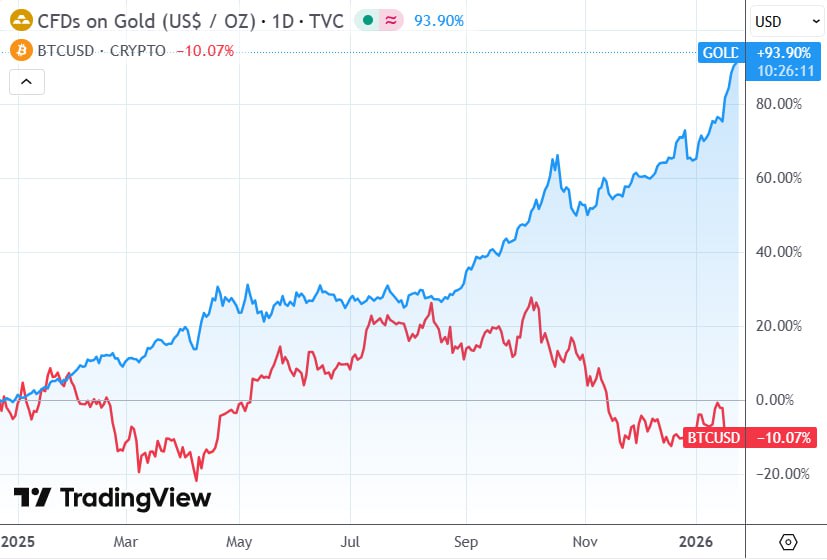
The utility of USDC in this context is defined by its stability and accessibility. Unlike Bitcoin or Ethereum, which experience significant price fluctuations, USDC maintains a 1:1 parity with the US dollar, making it a predictable store of value. For consumers in high-risk economies, this stability is not a speculative feature but a practical necessity. It enables smoother cross-border transactions and protects savings from the immediate impact of currency crises.
Market data reflects this growing reliance on stablecoins for financial preservation. According to an industry report by Yellow Card, stablecoins accounted for 43% of crypto transaction volume in sub-Saharan Africa in 2024. This significant share indicates that users are actively choosing stablecoins over other digital assets for everyday economic activities, prioritizing value retention over speculative gains.
To monitor the integrity of this hedge, users can track the USDC/USD peg and trading volume. A stable peg confirms that the asset remains a reliable anchor, while volume trends indicate market confidence.
For those seeking to manage their digital assets securely, selecting the right tools is essential. The following products offer reliable hardware and software solutions for safeguarding stablecoin holdings against theft or loss.


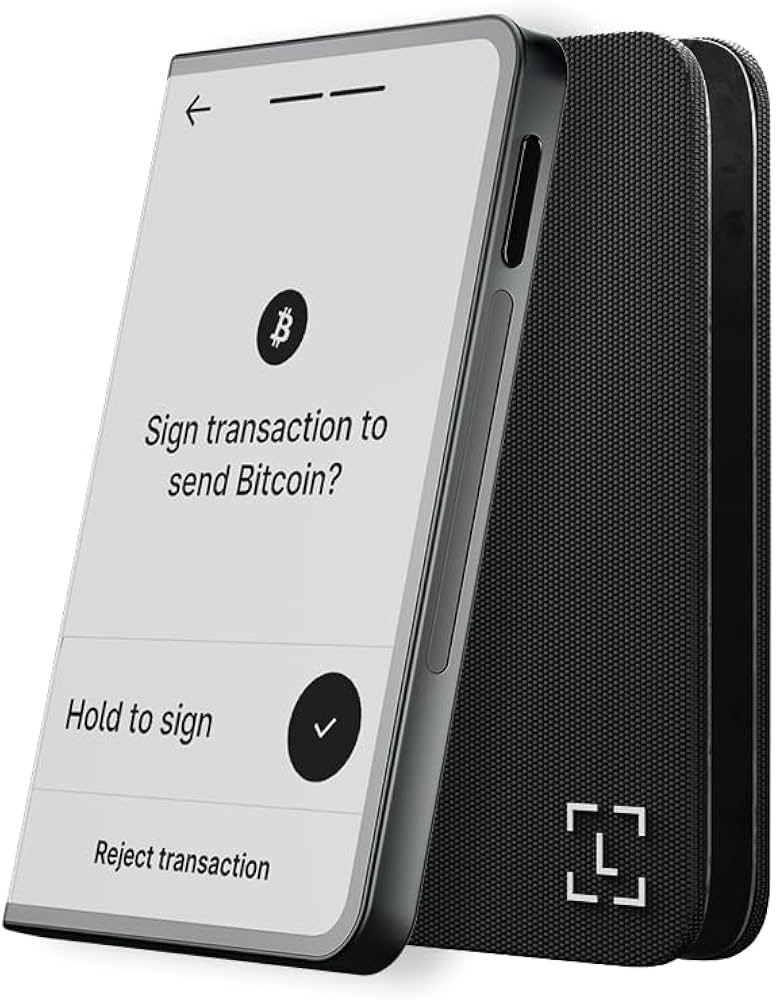


As an Amazon Associate, we may earn from qualifying purchases.
Nigeria and South Africa regulatory frameworks
Stablecoin adoption in Africa is no longer just a technological shift; it is a compliance imperative. As the continent moves toward 2026, two markets have emerged as critical benchmarks for digital asset regulation: Nigeria and South Africa. While both nations recognize the potential of blockchain technology, their regulatory approaches diverge significantly in structure and enforcement. Understanding these frameworks is essential for issuers and users navigating the African crypto landscape.
Nigeria: CBN Guidelines and Licensing
The Central Bank of Nigeria (CBN) has moved from outright bans to a structured licensing regime. Under recent guidelines, stablecoin issuers must obtain specific approval to operate within the Nigerian financial ecosystem. The CBN emphasizes strict adherence to anti-money laundering (AML) and counter-terrorism financing (CFT) protocols. Issuers are required to hold adequate reserves and undergo regular audits to ensure transparency. This approach aims to protect consumers while fostering innovation in the digital asset space.
South Africa: FSCA Oversight and Tax Clarity
In contrast, South Africa’s regulatory framework is overseen by the Financial Sector Conduct Authority (FSCA). The country has integrated crypto-assets into its broader financial regulatory scope, treating them as financial products. This classification brings stablecoins under the purview of existing financial laws, including the Financial Advisory and Intermediary Services (FAIS) Act. Additionally, South Africa has provided clearer tax guidelines for crypto transactions, offering a more predictable environment for long-term investment and usage.
Comparative Regulatory Landscape
The differences between these two markets highlight the varying paths Africa is taking toward digital asset integration. Nigeria’s approach is more centralized and directive, focusing on strict banking integration. South Africa’s model is more comprehensive, embedding crypto-assets within existing financial conduct frameworks. For global stablecoin issuers, these distinctions dictate operational strategies, compliance costs, and market entry timelines.
| Category | Nigeria | South Africa | Issuer Impact |
|---|---|---|---|
| Primary Regulator | Central Bank of Nigeria (CBN) | Financial Sector Conduct Authority (FSCA) | Determines licensing pathway |
| Licensing Model | Specific CBN Approval | FAIS/Financial Product Classification | Affects compliance overhead |
| AML/CFT Focus | Strict Banking Integration | Integrated Financial Conduct | Operational monitoring requirements |
| Tax Clarity | Evolving Guidelines | Defined Capital Gains Rules | Investor confidence and reporting |
Remittance flows and cross-border utility
Stablecoins are rapidly displacing traditional remittance channels across the continent, driven by the urgent need for speed and cost efficiency. In 2024, stablecoins accounted for 43% of crypto transaction volume in sub-Saharan Africa, according to an industry report by Yellow Card. This significant share highlights a structural shift in how African households and businesses manage cross-border value transfers, moving away from legacy banking systems that often impose high fees and lengthy settlement times.
The primary driver for this adoption is the economic friction inherent in conventional remittance corridors. Traditional money transfer operators and banks frequently charge rates that can exceed 7-10% of the transaction value, eroding the purchasing power of funds sent by diaspora communities. Stablecoins, particularly USDT and USDC, offer a near-instant settlement layer with significantly lower transaction costs. For migrant workers in the Middle East or Europe sending funds to family in Nigeria, Kenya, or South Africa, this efficiency translates directly into higher net receipts for recipients.
This utility extends beyond simple peer-to-peer transfers. Small and medium-sized enterprises (SMEs) are increasingly using stablecoins to pay suppliers across borders, bypassing the complex web of correspondent banking relationships. The ability to settle invoices in minutes rather than days improves cash flow and reduces foreign exchange risk. As regulatory frameworks evolve, this infrastructure is becoming a critical component of Africa’s financial connectivity, offering a more resilient alternative to traditional cross-border payment rails.
Key questions on stablecoin safety
Stablecoins have become a primary tool for value preservation and cross-border payments across Africa, yet concerns regarding custody, regulatory clarity, and platform reliability remain. Understanding how these assets are secured and regulated is essential for users navigating this rapidly evolving market.
Are stablecoins safe for everyday use in Africa?
Stablecoins are generally considered safer than volatile cryptocurrencies for daily transactions because their value is pegged to established assets like the US dollar. In 2024, stablecoins accounted for 43% of crypto transaction volume in sub-Saharan Africa, reflecting their growing role as a reliable medium of exchange rather than a speculative asset [src-6]. This utility drives adoption among users seeking to protect savings from local currency inflation.
How is custody handled for stablecoin holdings?
Most stablecoins are held in self-custody wallets or on regulated exchanges, meaning safety depends on the user’s security practices or the platform’s compliance standards. Unlike traditional bank deposits, stablecoin holdings are not typically insured by government deposit guarantee schemes. Users must rely on the transparency of the issuer’s reserves and the security protocols of the wallet provider to safeguard their funds.
What is the regulatory outlook for stablecoins in 2026?
Regulatory frameworks across Africa are moving from caution to structured integration. South Africa and Nigeria are among the markets actively shaping specific guidelines for digital assets, aiming to balance innovation with consumer protection [src-1]. The upcoming Africa Stablecoin Summit in November 2026 will further bring together regulators and industry leaders to discuss standardized approaches for the continent [src-2].
Which stablecoins are most trusted in the region?
US Dollar-pegged stablecoins like USDT and USDC dominate the African market due to their liquidity and widespread acceptance across exchanges and payment platforms. The BVNK Stablecoin Utility Report 2026 confirms that Africa leads global stablecoin adoption, with 79% of crypto-active users owning stablecoins, primarily for utility and remittance purposes [src-4]. This preference highlights a focus on stability and accessibility over niche or local-pegged alternatives.
No comments yet. Be the first to share your thoughts!