Why Africa leads global stablecoin ownership
Africa has become the undisputed global leader in stablecoin adoption, with 79% of crypto-active users holding digital dollar equivalents. This figure significantly outpaces other emerging regions, where ownership averages are much lower. According to the BVNK Stablecoin Utility Report 2026, this dominance is not driven by speculative trading or investment gains, but by urgent practical needs.
The primary drivers are remittances and inflation hedging. In economies facing high currency volatility, stablecoins offer a reliable store of value and a faster, cheaper alternative to traditional cross-border transfers. Nigeria and South Africa are currently leading this demand growth, with Nigeria accounting for approximately 60% of stablecoin inflows in sub-Saharan Africa since 2019. Households and small firms rely on these tokens to move money across borders without the delays and fees associated with conventional banking.
Reuters reported in early 2026 that the largest African economies are showing the strongest optimism in stablecoin utility. This trend highlights a shift from curiosity to necessity. Users are not seeking high-yield returns; they are seeking stability in an unstable financial environment. This practical adoption creates a unique market dynamic that differs sharply from Western crypto trends, where speculation often dominates.
While this adoption is robust, it raises questions about monetary sovereignty and financial integrity. As stablecoins become embedded in daily economic life, regulators are grappling with how to integrate these private digital assets into national financial systems without stifling innovation or compromising oversight.
2026 regulatory shifts in Nigeria and South Africa
The regulatory landscape for stablecoins in Africa has moved from ambiguous gray areas toward structured frameworks in 2026. This shift is most visible in Nigeria and South Africa, the continent's largest economies, which are now driving the strongest growth in stablecoin demand. These changes signal a move from informal peer-to-peer usage to formalized financial infrastructure.
Nigeria: From Ban to Formalization
Nigeria's approach has evolved significantly. While the country accounts for approximately 60% of stablecoin inflows in sub-Saharan Africa since 2019, widespread use of dollar-pegged tokens has long raised concerns about monetary sovereignty and financial integrity. In 2026, regulators are focusing on integrating these flows into the formal banking sector rather than suppressing them. This allows Nigerian households and small firms to move money across borders faster and at lower cost, leveraging stablecoins for remittances and cross-border trade without leaving the regulatory perimeter.
South Africa: Structured Oversight
South Africa is pursuing a parallel path of structured oversight. The Reserve Bank and financial authorities are establishing clear guidelines for stablecoin issuers, aiming to protect consumers while enabling innovation. This framework encourages institutional adoption, allowing local businesses to use stablecoins for payments with greater legal certainty. The result is a more stable environment for savings and transactions, reducing the risks associated with unregulated crypto exchanges.
Market Impact and Adoption
The convergence of these regulatory shifts is reshaping the market. A recent study highlights that these two nations are the most optimistic about stablecoin adoption, driven by practical needs like remittances and cross-border trade. As regulations clarify, the demand for stablecoins is expected to grow further, legitimizing their role in everyday financial life. This transition from informal usage to regulated utility marks a pivotal moment for digital assets in Africa.
| Country | Regulatory Status | Primary Use Case |
|---|---|---|
| Nigeria | Integrating flows into formal banking | Remittances and cross-border trade |
| South Africa | Structured guidelines for issuers | Institutional payments and savings |


As an Amazon Associate, we may earn from qualifying purchases.
Regulated platforms integrate USDC into mobile savings
Regulatory clarity in 2026 has enabled licensed fintechs to formally integrate USDC into mobile-first savings products. Unlike informal peer-to-peer transfers, these products operate within defined legal frameworks, allowing users to hold dollar-pegged assets directly on their phones. This shift moves stablecoin usage from speculative trading to practical household finance, offering a direct hedge against local currency volatility.
The primary advantage for African savers is the cost structure. Traditional remittance channels often charge high fees for cross-border transfers, eroding savings. Regulated USDC savings products typically offer significantly lower transaction costs, making it viable for small-value deposits. As noted by Ripple, Africa’s adoption has long been driven by practical needs like remittances and cross-border trade, now formalized through compliant infrastructure.
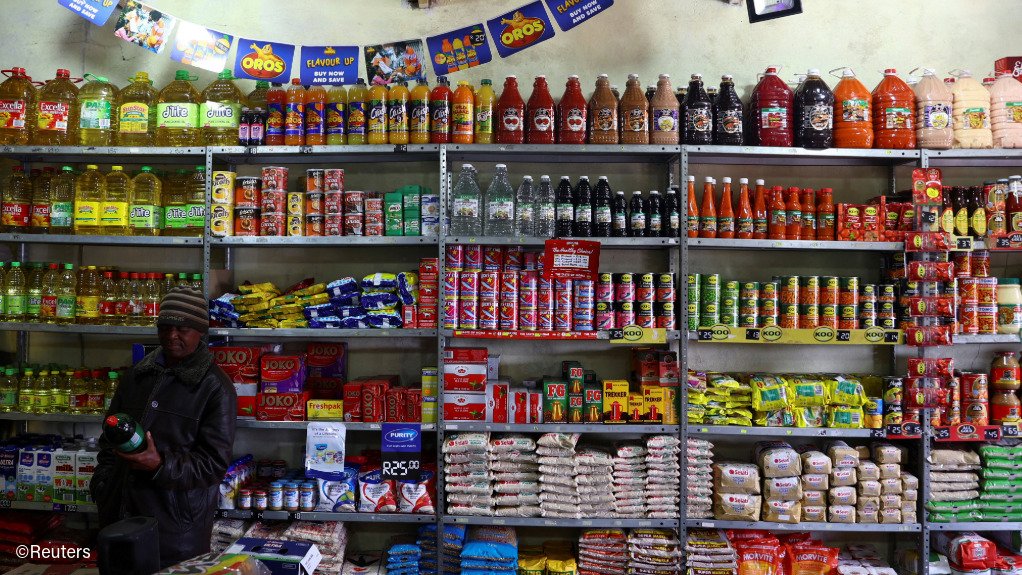
However, the integration is not without caution. While platforms like Yellow Card report increased adoption, the underlying risk remains tied to the stability of the peg and the regulatory standing of the issuer. Users must distinguish between fully regulated savings accounts and unregulated crypto exchanges. The trend signals a maturation of the market, where stablecoins serve as a utility for savings rather than just a trading pair.
The focus remains on compliance. Platforms are prioritizing partnerships with licensed banks and payment providers to ensure user funds are protected. This regulatory alignment is essential for sustainable growth, ensuring that the convenience of mobile savings does not come at the expense of financial integrity or monetary sovereignty.
Market Data and Price Trends for 2026
Stablecoins in Africa are not speculative assets; they are functional rails for savings and cross-border trade. The 2026 regulatory landscape has stabilized the market, shifting focus from price volatility to transaction volume and utility. As the BVNK Stablecoin Utility Report 2026 notes, Africa leads global adoption with 79% of crypto-active users holding stablecoins, driven by the practical need for a reliable store of value amidst local currency fluctuations.
Visualizing this stability requires looking beyond speculative charts. The following technical chart for USDC/USD demonstrates the peg's resilience, which is the primary metric savers care about. When the peg holds, the asset functions as intended: a bridge between local economies and global liquidity.
The volume trends in this chart reflect real economic activity rather than trading speculation. High volume on a stable pair indicates active use for payments, remittances, and savings, confirming that these tokens are embedded in daily financial life. This utility is further reinforced by the growing presence of industry forums, such as the upcoming Africa Stablecoin Summit in Johannesburg, where regulators and developers align on standards that protect users.

Common questions about stablecoin savings in Africa
Stablecoin adoption in Africa is driven by practical utility rather than speculative trading. For many users, dollar-pegged tokens are a tool for preserving value against local currency volatility and facilitating cross-border trade. However, the regulatory landscape remains fragmented, with central banks in Nigeria, Ghana, and Kenya taking distinct approaches to legal tender status and compliance.
Understanding the mechanics of these assets is essential for assessing risk. The following questions address the most common concerns regarding stability, regulatory safety, and practical application in the region.
| Feature | Traditional Bank | Stablecoin |
|---|---|---|
| Cross-Border Speed | 3-5 days | Minutes |
| Cost | High fees | Lower fees |
| Insurance | Deposit insurance | None |
| Regulation | High | Fragmented |
The distinction between utility and speculation is critical. While stablecoins offer efficiency, they do not provide the legal protections of traditional banking. Users should prioritize regulated platforms and understand that regulatory shifts can impact access and liquidity at short notice.
No comments yet. Be the first to share your thoughts!