Why stablecoin savings matter in 2026
For savers in Nigeria, South Africa, and Kenya, digital currency is no longer a speculative experiment; it is a practical hedge against inflation. In many African markets, local currencies have faced significant volatility, eroding purchasing power faster than traditional savings accounts can compensate. This economic pressure has driven a surge in adoption, with recent data from the BVNK Stablecoin Utility Report 2026 indicating that Africa leads the world in stablecoin ownership, driven largely by the need for currency hedging.
Stablecoins, which are pegged 1:1 to reserve assets like the US dollar, offer a way to preserve value without exposing savings to the fluctuations of local fiat currencies. Unlike volatile cryptocurrencies, stablecoins provide price stability while leveraging the speed and low cost of blockchain networks. According to research from The Conversation, this utility is particularly pronounced in regions with high inflation, where access to USD-pegged assets allows individuals to protect their wealth from rapid devaluation.
Among the various stablecoins available, USDC (USD Coin) has emerged as the preferred choice for savings due to its regulatory compliance and transparency. Unlike some competitors that have faced scrutiny over reserve backing, USDC is issued by Circle, a regulated financial institution, and undergoes regular attestations to ensure full reserve coverage. This transparency is critical for users who need assurance that their savings are fully backed, making it a safer tool for long-term value preservation than less regulated alternatives.
While the potential for preserving wealth is clear, it is important to approach stablecoin savings with caution. These tools are designed for hedging, not for generating high returns. Savers should focus on the stability and accessibility of their funds rather than seeking speculative gains. As with any financial tool, understanding the risks and choosing reputable platforms is essential for protecting your assets in an evolving digital economy.
Top platforms for secure stablecoin savings
The shift toward digital savings in Africa is no longer theoretical. As regulatory frameworks in South Africa, Nigeria, and Kenya mature, fintech platforms are offering structured ways to earn yield on stablecoins, primarily USDC, which remains the preferred choice for transparency and liquidity.
These platforms function less like traditional banks and more like direct access points to decentralized finance protocols. They handle the technical complexity of staking or lending your USDC, allowing you to earn yields that typically outpace local fiat savings accounts. However, because these are digital services, the security of your funds depends entirely on the platform's infrastructure and your own operational security.
When selecting a savings app, prioritize those that are compliant with local financial regulations or partner with regulated entities. Avoid platforms promising guaranteed high returns without clear documentation of where the yield comes from. The goal here is capital preservation and modest growth, not speculative trading.
| Platform | Supported Stablecoins | Yield Source | Regional Focus |
|---|---|---|---|
| Binance Earn | USDC, USDT | Flexible & Locked Savings | Global (Africa) |
| Crypto.com | USDC, USDC.e | DeFi Earn | Global (Africa) |
| Nexo | USDC, USDT | Interest Accounts | Global (Africa) |
| Yellow Card | USDC | Yield Products | East Africa |
Note: APYs fluctuate daily based on market demand. Check current rates on each platform before depositing.
Evaluating the Top Contenders
Binance and Crypto.com dominate the African market due to their deep liquidity and extensive fiat on-ramp options. They allow users to convert local currency directly into USDC with relatively low fees, which is critical for maximizing net returns. Their "Earn" products offer both flexible access and higher-yield locked options, giving users control over liquidity.
For users in East Africa, Yellow Card offers a localized experience with direct support for local fiat currencies. While its yield products may be less aggressive than global giants, its regulatory compliance and customer support in the region provide a safer entry point for beginners who are cautious about cross-border transfers.
Nexo stands out for its interest-bearing accounts that allow withdrawals without penalty, though the yields can vary. It is a robust option for those who need immediate access to their funds while still earning a return, but users should carefully review the interest rate terms, as they are not fixed.
Security Hardware and Education
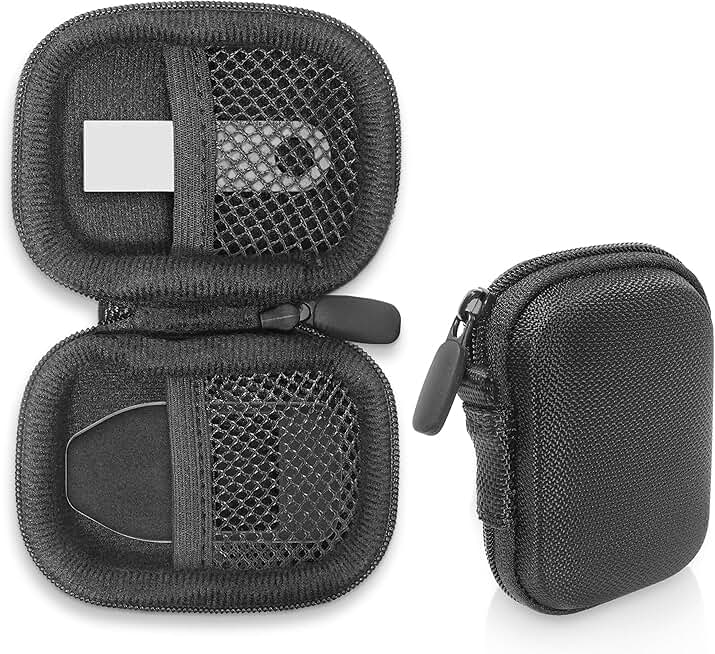
Since you are holding digital assets, securing your private keys is non-negotiable. Even if you use a centralized app for savings, having a hardware wallet for larger, long-term holdings is a standard best practice. These devices keep your keys offline, protecting them from online hacks.
| Product | Type | Use Case |
|---|---|---|
| Ledger Nano X | Hardware Wallet | Secure storage of USDC and other crypto assets |
| Trezor Model T | Hardware Wallet | Secure storage with touchscreen interface |
| "The Bitcoin Standard" | Book | Understanding the value proposition of crypto |
| "Mastering Bitcoin" | Book | Technical deep-dive for advanced users |
Investing in a hardware wallet like the Ledger Nano X or Trezor Model T is a one-time cost that provides significant peace of mind. Additionally, reading foundational texts like "The Bitcoin Standard" helps contextualize why you are holding stablecoins in the first place, reinforcing a long-term perspective rather than short-term speculation.
Market Context
Stablecoins like USDC are designed to maintain a 1:1 peg with the US dollar, making them a stable store of value in regions with volatile local currencies. The total stablecoin market cap continues to grow, with USDC noted for its transparency and integration with traditional financial systems like Visa. While Tether (USDT) leads in market share, USDC is often preferred for savings due to its regulatory clarity and regular attestations. This transparency reduces counterparty risk, which is a critical consideration when choosing where to park your savings.
Key Takeaways
- Prioritize USDC: It offers greater transparency and regulatory clarity compared to other stablecoins.
- Check APYs Daily: Yields fluctuate based on market demand; do not lock in long-term expectations.
- Use Hardware Wallets: Secure your assets with a Ledger or Trezor for long-term holdings.
- Verify Compliance: Choose platforms that operate within local regulatory frameworks where possible.
How to choose a compliant savings platform
Finding a stablecoin savings app in Africa requires more than comparing interest rates. You must first verify the regulatory standing of the platform. In markets like South Africa and Nigeria, financial authorities are actively enforcing compliance rules for virtual asset service providers. Using an unlicensed platform exposes your principal to legal seizure, custodial failure, or sudden shutdowns with no recourse.
USDC remains the preferred stablecoin for savings in this region due to its transparent reserves and integration with traditional financial rails. However, the coin itself is only as safe as the institution holding it. Always check if a platform holds a local virtual asset service provider license before depositing funds.
Start by confirming if the app is registered with your national financial regulator. In South Africa, look for authorization from the Financial Sector Conduct Authority (FSCA). In Nigeria, ensure the platform adheres to Central Bank of Nigeria (CBN) guidelines for digital assets. If a platform operates without a clear license in your jurisdiction, treat it as high-risk and avoid it regardless of the advertised yield.
Ensure the platform uses regulated custodians for USDC holdings. Unlike lesser-known stablecoins, USDC provides monthly attestation reports on its reserves. Check that the platform does not commingle user funds with its own operational capital. Transparent custody ensures that your savings are backed 1:1 by cash and short-term government bonds, mitigating the risk of de-pegging.
In volatile economic environments, liquidity is critical. Test the platform’s ability to convert stablecoins back to fiat or local mobile money quickly. Delays in withdrawals can trap your capital during market stress. Look for platforms that offer direct integration with local payment rails, such as bank transfers or mobile money wallets, to ensure you can access your funds when needed.
These steps prioritize the safety of your capital over speculative gains. Regulatory compliance is not just a bureaucratic hurdle; it is the primary defense against the custodial risks inherent in decentralized finance. By choosing a licensed platform that handles USDC with transparency, you hedge against inflation without exposing yourself to unnecessary legal or financial danger.
Common risks and security best practices
Using stablecoins for savings in Africa offers a hedge against local currency volatility, but it introduces significant counterparty and technical risks. Unlike traditional bank deposits, stablecoin holdings are not covered by deposit insurance schemes. If a platform becomes insolvent or a stablecoin issuer faces regulatory action, funds can be frozen or lost. The rise in stablecoin adoption across Nigeria, South Africa, and Kenya highlights the urgency of understanding these vulnerabilities before committing capital.
The primary risk for savers is de-pegging. While USDC is widely regarded for its transparency and regulatory compliance compared to other assets, no stablecoin is entirely immune to market stress. A loss of peg reduces the real-world value of your savings instantly. Additionally, platform insolvency remains a critical threat. Centralized exchanges may hold user funds in commingled pools, meaning you are an unsecured creditor if the platform fails. The 2022 collapse of major centralized exchanges demonstrated that "not your keys, not your coins" is not just a slogan, but a necessary financial rule.
To mitigate these risks, treat stablecoin apps as tools for hedging, not high-yield investment vehicles. Keep only what you need for daily transactions or short-term savings on exchanges. For larger amounts, move assets to a self-custody hardware wallet. This ensures that your savings are inaccessible to third parties, protecting them from exchange hacks or insolvency. Always check current rates and platform terms, as the regulatory landscape in Africa evolves rapidly.

As an Amazon Associate, we may earn from qualifying purchases.
No comments yet. Be the first to share your thoughts!