Why stablecoins matter for African savings
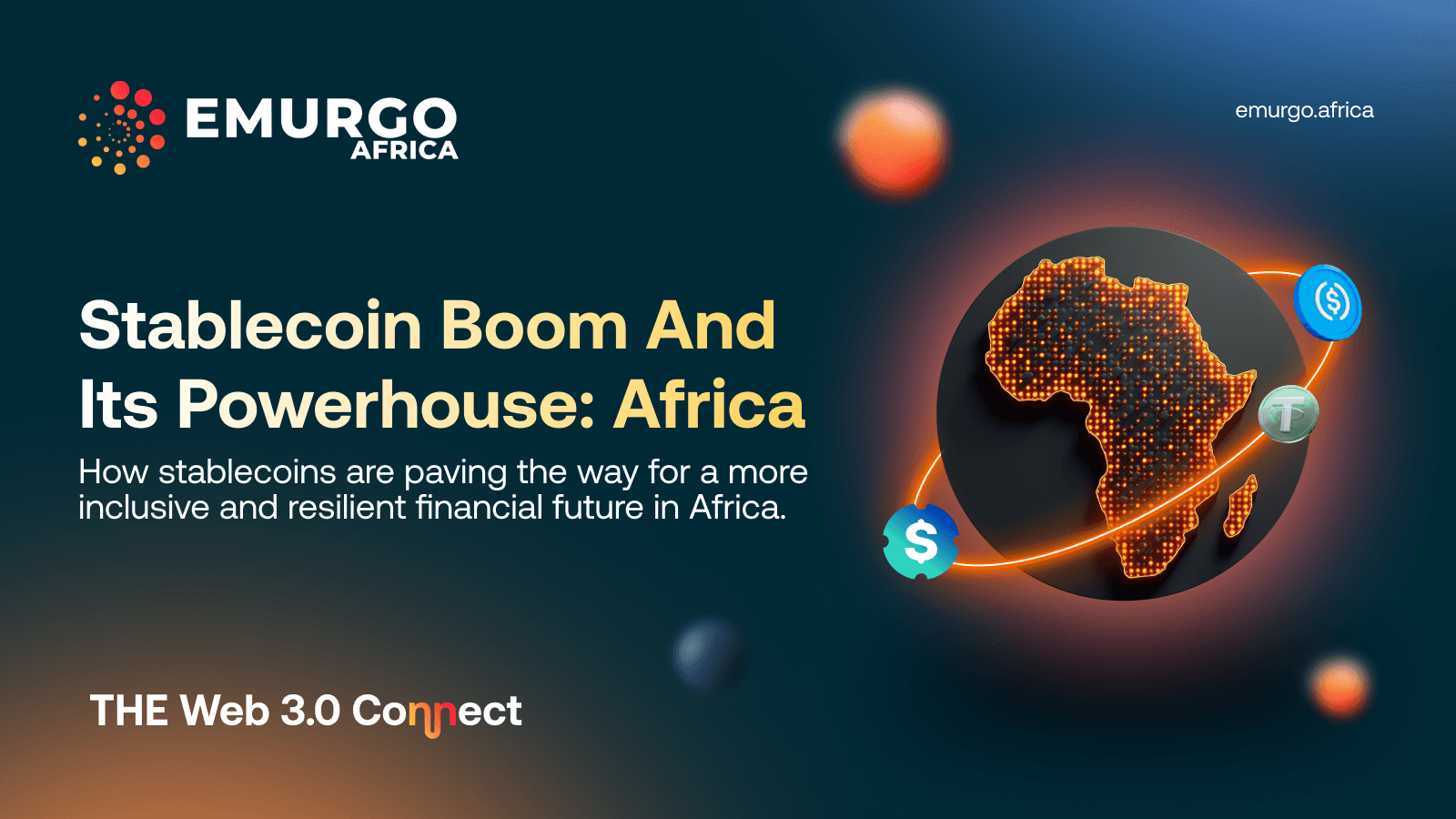
For households in many African economies, saving in local currency often means watching value erode against inflation or exchange rate swings. Stablecoins—digital tokens pegged to the US dollar—offer a practical alternative. They let savers hold a dollar-denominated asset without needing a foreign bank account, which can be difficult to open or maintain.
The adoption is already visible. According to Chainalysis, stablecoins now account for roughly 43 percent of all crypto transaction volume in Sub-Saharan Africa. This isn't just speculation; it's a daily tool for moving and holding value.
This utility makes them a serious option for anyone looking to preserve purchasing power. Instead of relying solely on local banks, many investors are turning to platforms that offer competitive APY on these dollar-pegged assets. It's a shift from saving in a depreciating currency to saving in a stable one.
The key is choosing the right platform. Not all stablecoin savings products are created equal. Some offer higher yields but come with higher risks, while others prioritize security and regulatory compliance. Understanding the trade-offs is essential before locking in your savings.
5 Best Stablecoin Savings Platforms for African Investors in 2026
Navigating the 2026 stablecoin landscape requires distinguishing between platforms with verified regulatory compliance and those offering merely competitive APYs. This section evaluates five specific platforms—such as Binance Earn, Bybit Savings, and Nexo—based on primary source documentation of their operational status and security frameworks for African investors.
1. Binance Earn USDt Savings
Binance Earn offers flexible USDt savings with competitive APY rates, appealing to African investors seeking liquidity. The platform supports instant redemption, allowing users to access funds without lock-up periods. Regulatory compliance varies by region, so verify local availability. This option suits those prioritizing ease of access over maximum yield, provided they trust Binance’s extensive operational infrastructure.
2. Bybit Simple Earn
Bybit Simple Earn provides a streamlined interface for staking USD-backed stablecoins, often featuring higher yields than traditional savings accounts. The platform’s robust security measures and global reach make it a viable choice for African traders. Users can earn passive income while maintaining the flexibility to withdraw assets, balancing growth potential with immediate financial needs.
3. KuCoin Simple Earn
KuCoin’s Simple Earn program allows users to deposit USDT for interest accrual, catering to those seeking diversified crypto-native banking alternatives. The platform’s wide asset selection and user-friendly dashboard simplify the process for beginners. African investors should assess KuCoin’s regulatory standing in their jurisdiction before committing funds, ensuring compliance with local financial regulations.
4. Nexo USD Stablecoin Interest
Nexo offers USD stablecoin interest rates that are among the most competitive in the market, appealing to yield-focused investors. The platform provides a secure, regulated environment with insurance coverage for digital assets. African users benefit from Nexo’s global licensing, though they must verify local tax implications and reporting requirements for crypto earnings to remain compliant.
5. Crypto.com USD Stablecoin Yield
Crypto.com’s USD stablecoin yield program integrates seamlessly with its Visa card ecosystem, offering additional perks for active users. The platform’s strong brand recognition and regulatory compliance in multiple jurisdictions provide a layer of trust. African investors should consider the opportunity cost of locking funds versus flexible options, ensuring their strategy aligns with long-term financial goals.
How to choose a safe platform
Selecting a stablecoin savings platform in Africa requires more than comparing interest rates. You are entrusting your capital to a digital infrastructure that operates outside traditional banking safety nets. A cautious approach means verifying three specific pillars: regulatory standing, proof of reserves, and local fiat liquidity. If any of these are missing, the yield is likely too good to be true.
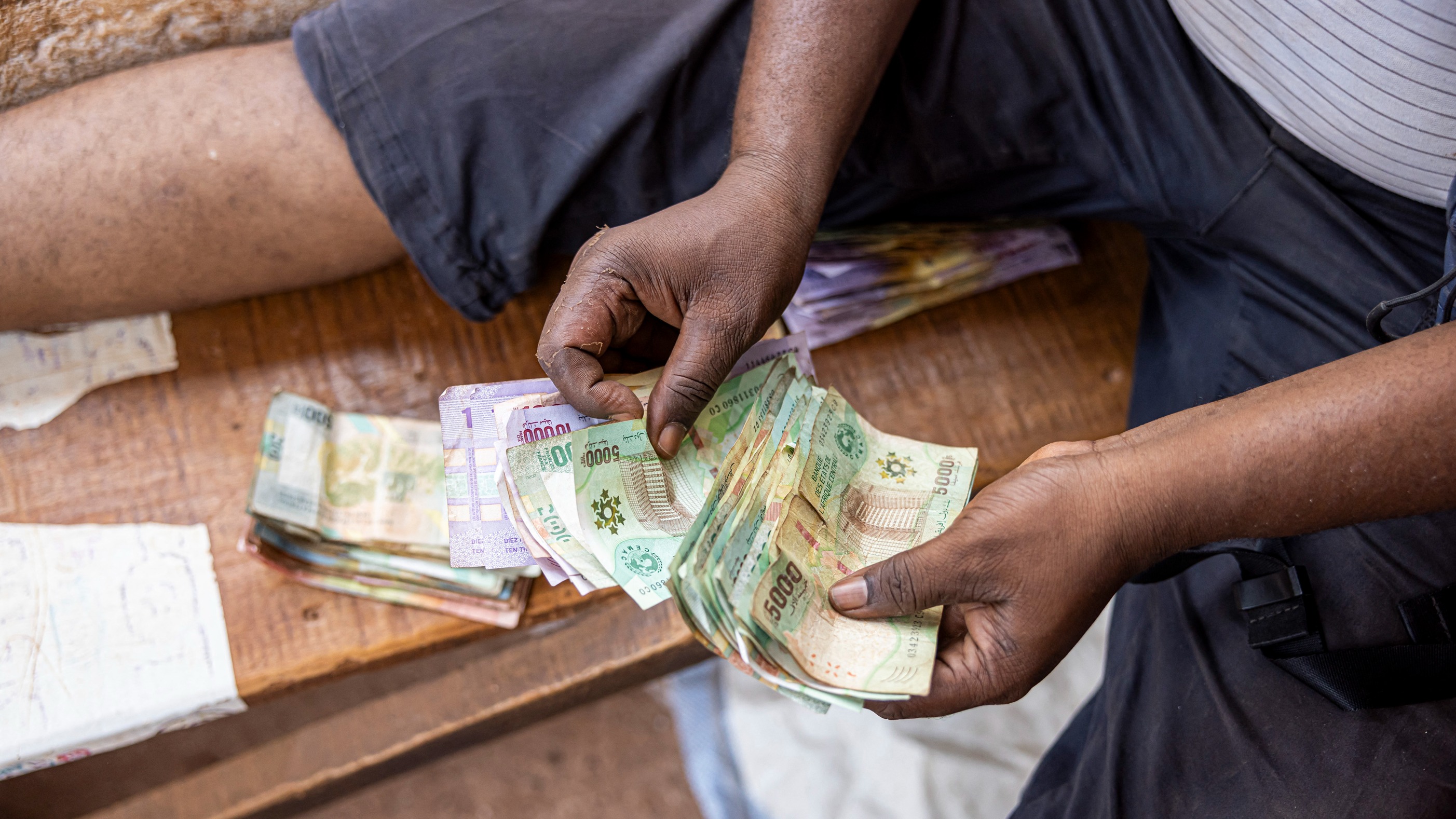
Not all platforms are created equal. Check if the platform holds a license from a recognized financial authority in your jurisdiction, such as the Central Bank of Nigeria (CBN) or the Financial Services Regulatory Authority (FSRA) in Seychelles. Avoid platforms that operate in legal gray areas or claim to be "unregulated" as a feature rather than a compliance gap. Legitimate platforms display their license numbers prominently in their footer or "About" section.
A platform promising high yields must back those claims with transparent reserves. Look for monthly attestations from independent audit firms like Moore Global or BDO. These reports should confirm that the stablecoins you hold are fully backed by cash or short-term government treasuries. If a platform only provides self-reported data or vague promises of "100% backing" without third-party verification, treat it as a high-risk liability.
The value of a savings platform lies in its exit liquidity. Ensure the platform supports direct deposits and withdrawals in your local currency, whether that is Nigerian Naira (NGN), Kenyan Shilling (KES), or South African Rand (ZAR). Platforms that only support USDT/USDC pairs with no local on-ramp force you to rely on third-party peer-to-peer markets, exposing you to slippage and counterparty risk during volatile market conditions.
| Feature | Regulatory Status | Proof of Reserves | Local Fiat Exit |
|---|---|---|---|
| Platform A | Licensed by CBN | Monthly Moore Global Audit | NGN Direct |
| Platform B | FSRA Seychelles | Quarterly BDO Attestation | KES/NGN P2P |
| Platform C | Unlicensed | Self-reported | USDC Only |



As an Amazon Associate, we may earn from qualifying purchases.
The landscape of African stablecoin adoption is evolving rapidly. As noted by industry analysts, stablecoins are already financing trade and filling gaps left by conventional banking, often faster than regulatory frameworks can keep pace. Your diligence in choosing a platform is your primary defense against this regulatory lag.
Risks and the regulatory landscape
Stablecoins are moving faster than the rules governing them. Across Africa, these digital assets are filling gaps left by conventional banking, financing trade and settling cross-border payments at a speed that regulators are struggling to match [[src-serp-2]]. This regulatory lag creates a complex environment for investors using platforms like Binance, Yellow Card, and Yellow Card Nigeria.
The primary risk is not just market volatility, but jurisdictional uncertainty. While countries like Nigeria and South Africa have taken steps to clarify the status of digital assets, many nations remain in a grey area. This means a platform deemed compliant today could face sudden restrictions tomorrow. Investors must verify that their chosen platform operates with explicit licenses from local financial authorities, such as the Central Bank of Nigeria or the Financial Sector Conduct Authority in South Africa.
Counterparty risk is equally significant. Unlike traditional bank accounts, stablecoin holdings are often held by private entities rather than insured depository institutions. If a platform fails or faces a liquidity crisis, there is no government-backed safety net like the FDIC in the US or FSCS in the UK. Diversifying across multiple regulated platforms and keeping only necessary funds for immediate use can mitigate this exposure.
Always treat stablecoin yields as a reflection of the platform's risk profile. High APYs often signal higher counterparty exposure or less regulatory oversight. Stick to platforms with transparent reserve audits and clear regulatory compliance records to protect your capital in this evolving landscape.
Frequently asked: what to check next
Which African currency is expected to be the strongest in 2026? Predicting currency strength is difficult, but the South African rand (ZAR) and Nigerian naira (NGN) remain the most actively traded fiat pairs in the region. While the rand often benefits from mining exports, the naira dominates stablecoin adoption for cross-border payments, accounting for roughly 60% of stablecoin volume in Nigeria according to the IMF.
Will stablecoins replace the US dollar? No. Stablecoins like USDT and USDC are designed to track the US dollar, not replace it. They serve as a digital bridge for African investors seeking exposure to USD-denominated assets without needing traditional offshore bank accounts. The dollar remains the anchor for global trade and savings.
Who funds FSD Africa? FSD Africa is a private foundation established by the UK government’s Foreign, Commonwealth & Development Office (FCDO) and the Bill & Melinda Gates Foundation. It works to improve financial systems in Kenya, Nigeria, Zambia, and Zimbabwe, often supporting the regulatory frameworks that allow stablecoin platforms to operate legally.
What is the most promising stablecoin? Tether (USDT) currently holds the largest market share in Africa, particularly for trading and remittances. However, USD Coin (USCOIN) is gaining traction among institutional investors and regulated platforms due to its transparent reserves and stronger compliance posture with African financial regulators.
No comments yet. Be the first to share your thoughts!