Why stablecoin savings matter in 2026
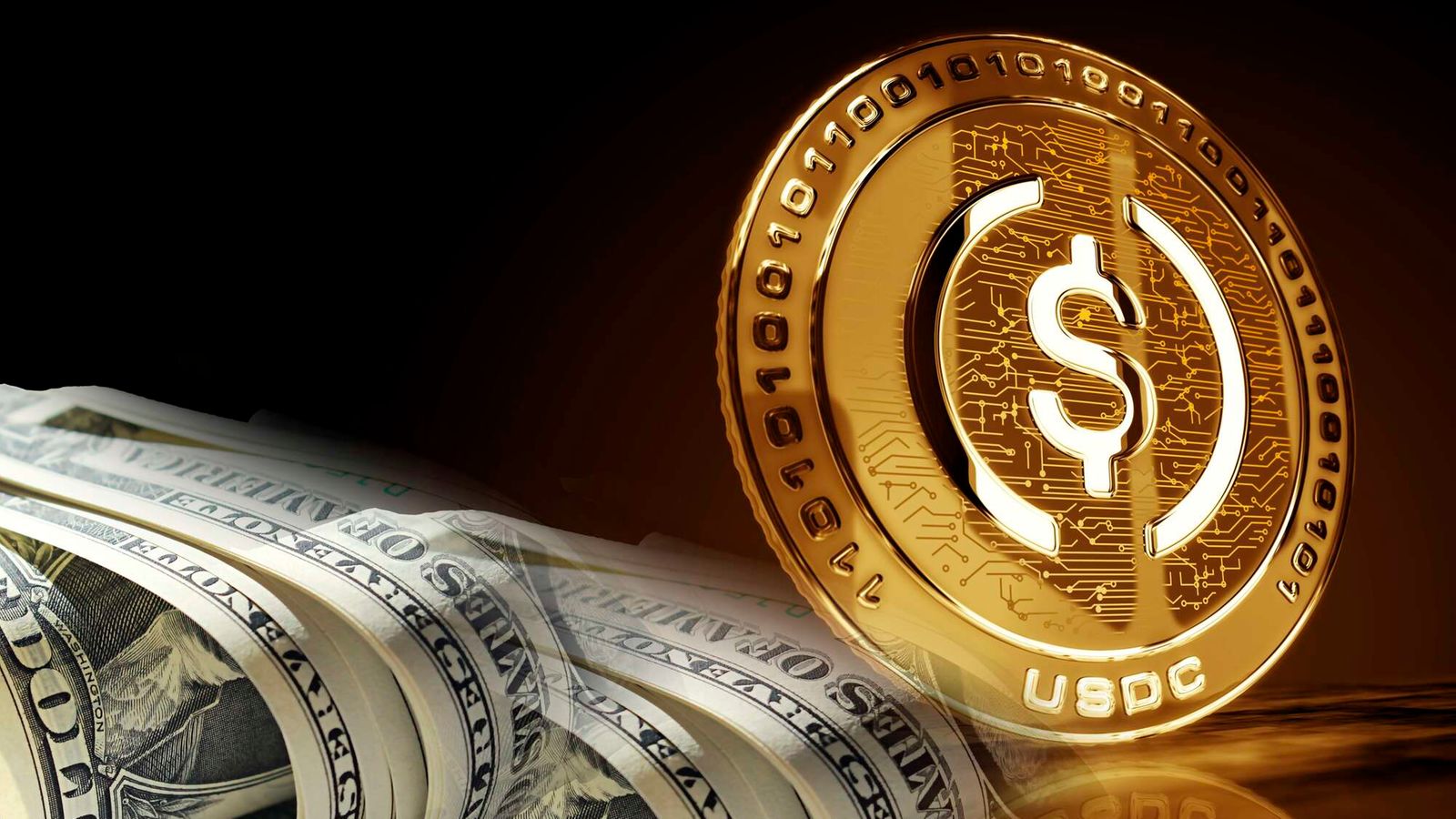
High inflation has pushed many savers toward stablecoins as a hedge against local currency depreciation. USDC functions as a digital dollar, offering a stable store of value when traditional banking yields fail to keep pace with rising costs. This shift is not merely speculative; it is a practical response to the erosion of purchasing power in key African economies.
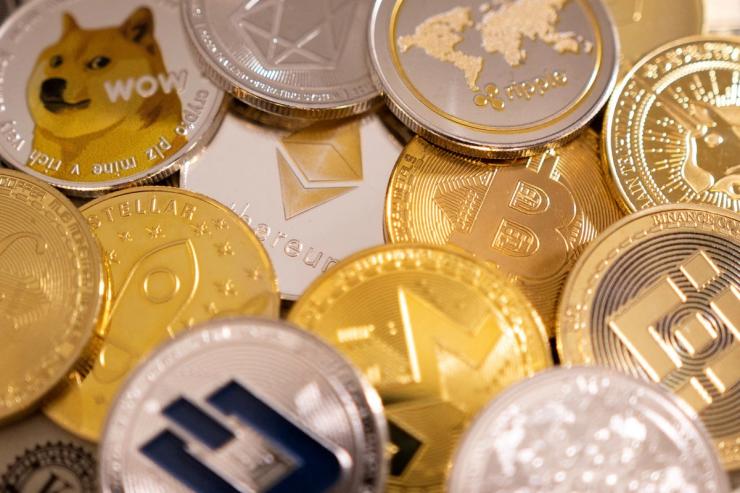
The demand for this financial tool is significant. According to a Yellow Card industry report, stablecoins accounted for 43% of all crypto transaction volume in sub-Saharan Africa in 2024 [src-serp-4]. This dominance highlights a clear preference for stability over volatile assets among regional users seeking to preserve wealth.
Nigeria and South Africa are driving this growth, leading the continent in both demand and optimism for digital asset adoption [src-serp-7]. However, the regulatory landscape remains complex. Savers must prioritize compliance and security, ensuring they use regulated platforms to mitigate the risks associated with unregulated financial products.
Choose a compliant mobile wallet
Selecting the right platform is the most critical step in securing your stablecoin savings. In Africa, where local currencies can fluctuate rapidly, using a regulated mobile wallet protects your capital from both market volatility and platform insolvency. You must prioritize platforms that explicitly comply with local central bank guidelines and hold the necessary licenses to operate as a Virtual Asset Service Provider (VASP).
Unregulated exchanges pose a severe risk. If a platform lacks proper oversight, your funds may not be segregated, and there is no guarantee of recourse if the platform fails. Stick to established providers like Yellow Card or Bamboo, which have built reputations for compliance and user security. These platforms often integrate directly with local mobile money systems, making it easier to convert between fiat and stablecoins like USDC while maintaining an audit trail.
Before depositing funds, verify the platform's regulatory status in your specific country. Central banks in Nigeria, Kenya, and South Africa have issued varying guidelines on digital assets. Ensure the wallet you choose is registered or licensed under the current framework. This verification process takes only a few minutes but significantly reduces the risk of your assets being frozen or lost.
The table below compares two leading compliant options based on fee structures, supported countries, and regulatory standing. Use this data to determine which platform aligns with your location and transaction volume.
| Platform | Supported Countries | Fee Structure | Regulatory Status |
|---|---|---|---|
| Yellow Card | Nigeria, Kenya, Ghana, South Africa | 1% trading fee, variable withdrawal fees | Licensed VASP in key jurisdictions |
| Bamboo | Nigeria, South Africa | Low FX spreads, no trading fee for p2p | Compliant with local financial regulations |
| Paxos (Global) | Global (limited local fiat on-ramp) | 0.15% transaction fee | New York State Department of Financial Services |
| Binance P2P | 100+ countries including major African markets | 0% maker fee, taker fees vary | Varies by region; check local licensing |


As an Amazon Associate, we may earn from qualifying purchases.
Fund your account with local currency
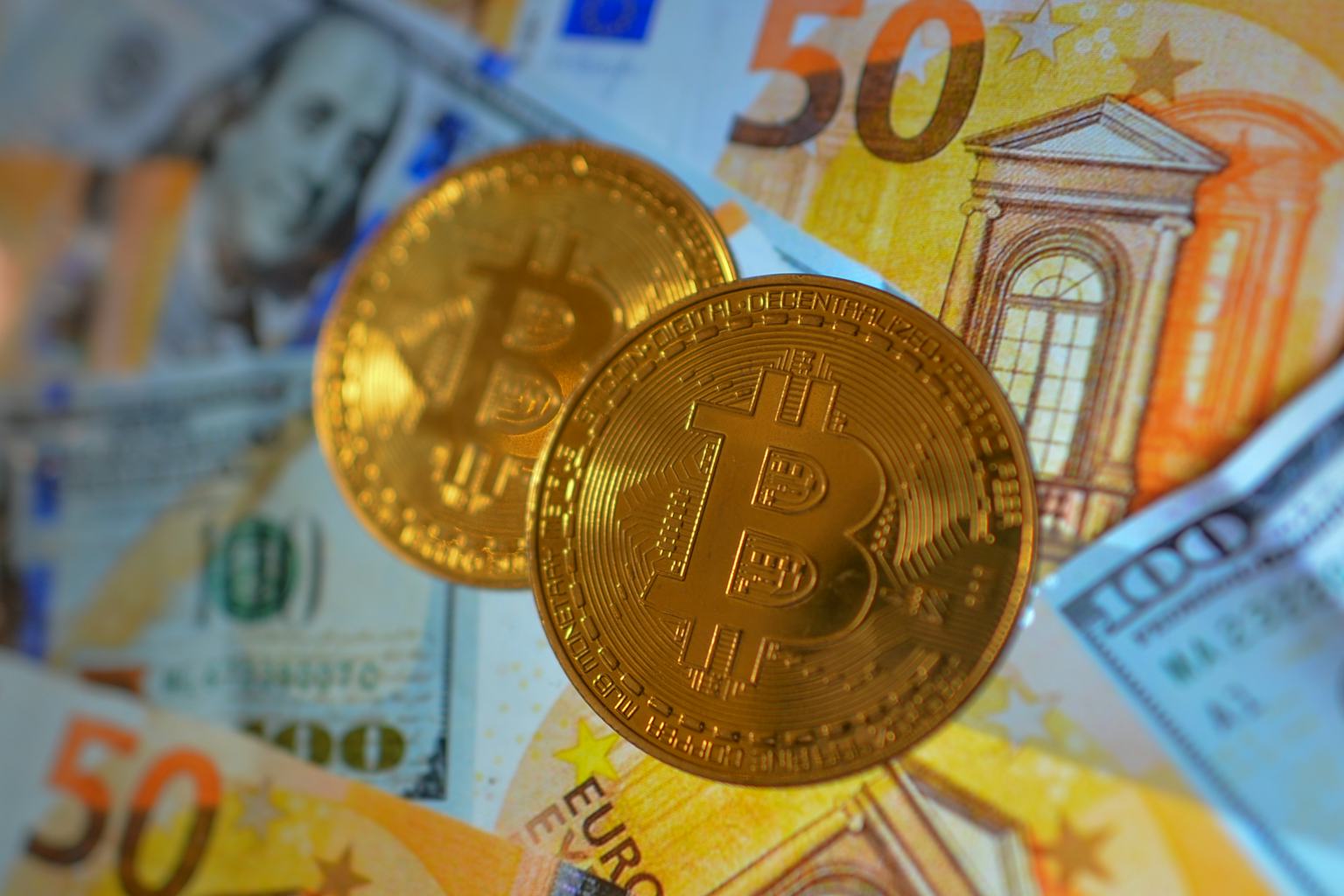
Buying USDC with local currency requires linking a verified mobile money wallet or bank account to a compliant exchange. In markets like Kenya, Nigeria, and South Africa, this process connects your existing financial rails to the stablecoin network. The goal is to move from fiat to digital dollars with minimal friction while maintaining strict regulatory compliance.
Verify your identity first
Before linking any payment method, complete the Know Your Customer (KYC) verification. Exchanges operating in Africa must adhere to anti-money laundering (AML) standards. You will need a government-issued ID and proof of address. Without this step, you cannot deposit funds or execute trades. Treat this as a security checkpoint, not a formality.
Link mobile money or bank account
Navigate to the "Deposit" or "Fiat On-Ramp" section of your chosen platform. Select your local currency (e.g., KES, NGN, ZAR) and choose your preferred funding source. In Kenya, M-Pesa is the dominant rail; in Nigeria, Paystack or direct bank transfers are common. Ensure the name on the bank account or mobile wallet matches your KYC profile exactly. Mismatches cause frozen funds and delays.
Enter amount and confirm trade
Input the amount of local currency you wish to convert. The platform will display the exchange rate and any applicable fees. Review the total USDC you will receive. Confirm the transaction. Mobile money payments usually settle within seconds, while bank transfers may take 1-2 business days depending on the institution. Once confirmed, the USDC appears in your wallet, ready for savings or transfer.
Secure your stablecoin holdings
Keeping stablecoins on an exchange is convenient, but it is also a single point of failure. When you leave funds on a platform, you do not control the private keys; the exchange does. If the platform faces liquidity issues, regulatory action, or a security breach, your savings are at risk. For long-term savings, self-custody is the only way to guarantee ownership.
Self-custody means you hold the cryptographic keys that prove you own the assets. This shifts the responsibility of security from a company to you. While it requires more discipline, it eliminates counterparty risk. You become your own bank, with no intermediary to freeze or seize your funds.
The first step to securing your stablecoin savings is moving them to a hardware wallet. A hardware wallet is a physical device that stores your private keys offline, making them immune to online hacks. This is the standard for high-stakes crypto storage.
Select a hardware wallet from a trusted manufacturer like Ledger or Trezor. Avoid unknown brands or second-hand devices, as they may be compromised. Ensure the device supports the specific blockchain your stablecoin lives on, such as Ethereum (ERC-20) or Tron (TRC-20).
Initialize the hardware wallet in a private, clean space. Never connect it to a public computer or a network with known malware. The device will generate a 12 or 24-word recovery seed phrase. This phrase is the master key to your funds. Write it down on the provided paper card—never store it digitally or take a photo of it.
Keep your seed phrase in a secure, offline location, such as a fireproof safe or a safety deposit box. If you lose access to your hardware wallet, this phrase is the only way to recover your stablecoins. Anyone who obtains this phrase can steal your funds, so treat it with the same secrecy as a PIN or password.
Install the official companion app on your computer or phone. Connect your hardware wallet and open the app for your specific stablecoin (e.g., USDC, USDT). Generate a receiving address on the device screen and verify it matches the app. Send a small test transaction first to ensure the address is correct and the funds arrive safely.
Once your stablecoins are in your hardware wallet, you have effectively secured them against exchange failures. Remember that self-custody requires vigilance. Keep your device firmware updated and never share your seed phrase with anyone, including support staff who claim they can help you recover funds.
Common mistakes to avoid
Stablecoin savings in Africa carry unique risks that can erase your principal if ignored. The following pitfalls are the most common causes of loss for individual savers.
Using unregulated P2P platforms
Peer-to-peer trading is the primary entry point for most African users, but it is also where most scams occur. Unregulated platforms often lack escrow protection, leaving you vulnerable to fraudsters who request off-platform payments or vanish after receiving funds. Always verify that the counterparty has a high completion rate and positive feedback. Rely on established, compliant exchanges that offer built-in dispute resolution rather than random social media groups.
Ignoring network fees and chain mismatches
Sending USDT on the wrong network is a frequent and costly error. If you send USDT via the ERC-20 network to a wallet expecting TRC-20 (Tron), the funds may be lost permanently. TRC-20 transactions are significantly cheaper than Ethereum (ERC-20) transactions, making them the preferred choice for small savings transfers. Always double-check the withdrawal network on the receiving end before initiating a transfer. A $10 fee on a $50 deposit is a 20% loss; losing the entire $50 is a 100% loss.
Holding non-USD stablecoins
Not all stablecoins are created equal. Avoid local algorithmic stablecoins or those pegged to volatile local currencies, as they have historically failed during economic downturns. Stick to USD-backed assets like USDC or USDT, which maintain a 1:1 peg with the US dollar. This protects your savings from local currency devaluation, which is a primary driver for stablecoin adoption in the region.
No comments yet. Be the first to share your thoughts!