Why stablecoins matter in 2026
Local currency volatility remains the primary driver for digital asset adoption across Africa. In 2026, the focus has shifted from speculative trading to using USD-pegged assets as a practical store of value. This shift is most visible in the continent's largest economies, where inflation and currency devaluation have eroded traditional savings.
Nigeria and South Africa are leading this demand. A recent study by Reuters confirms that these two nations are driving the strongest growth in stablecoin utility, outpacing other regions in both volume and user optimism. For everyday investors, this means stablecoins are no longer a niche experiment but a mainstream hedge against local economic instability.
The adoption rate underscores this urgency. According to BVNK's Stablecoin Utility Report 2026, 79% of crypto-active users in Africa hold stablecoins, a figure that leads global adoption rates. This high penetration rate reflects a collective decision to prioritize capital preservation over high-risk speculation.
For African investors, this trend signals a clear strategy: use stablecoins to protect wealth from local currency fluctuations. By holding USD-pegged assets, investors can maintain purchasing power stability, regardless of the daily performance of their national currency. This approach provides a reliable foundation for further financial planning and investment.
5 Stablecoin Strategies for African Investors in 2026
Navigating the evolving regulatory landscape across Africa requires a disciplined approach to digital assets. This guide outlines five specific stablecoin strategies tailored for African investors seeking stability and compliance in 2026.
-
USDC for daily trade settlement
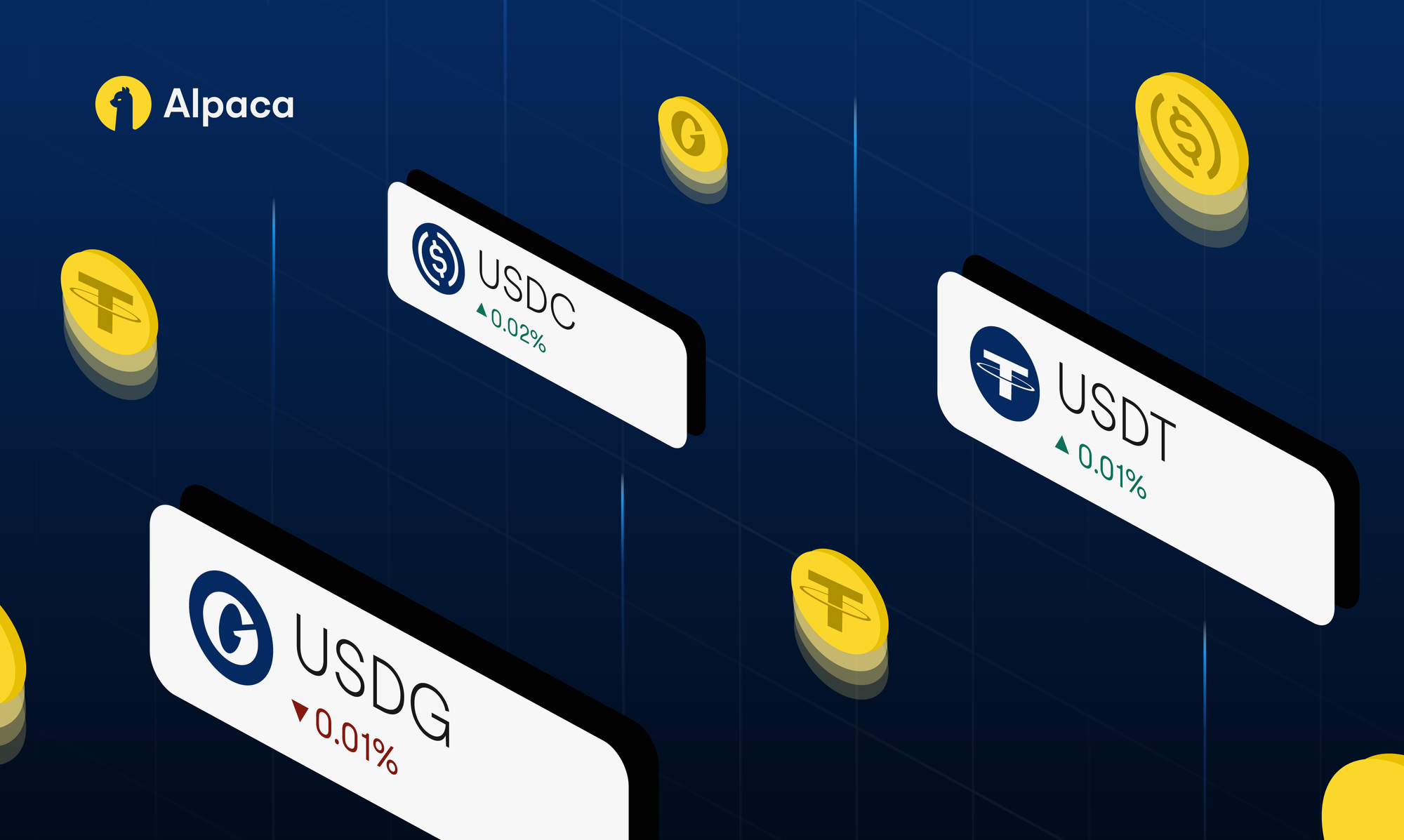
Utilize USD Coin (USDC) for immediate cross-border payments, leveraging its full reserve transparency and Circle’s regulatory compliance. This approach minimizes friction for importers and freelancers, ensuring funds settle instantly without the delays of traditional banking corridors. The visual context of market share gains highlights USDC’s growing infrastructure reliability, offering a stable digital dollar anchor for everyday commercial transactions across African markets. -
Yield-bearing stablecoin accounts
Deploy idle capital into regulated, yield-bearing stablecoin accounts to combat local currency inflation. Unlike traditional savings, these on-chain instruments often provide higher APYs by lending to institutional borrowers. This strategy transforms static reserves into productive assets, allowing investors to preserve purchasing power. The focus remains on selecting platforms with audited reserves to ensure that the generated yield does not come at the cost of principal security or regulatory exposure. -

Diversifying across regulated platforms
Spread stablecoin holdings across multiple licensed exchanges to mitigate counterparty risk. Relying on a single platform exposes investors to potential insolvency or service outages. By distributing assets among different regulated entities, investors create a safety net that ensures liquidity access even if one provider faces operational hurdles. This diversification mirrors traditional banking best practices, adapting them to the decentralized finance landscape for enhanced resilience. -
Hedging with stablecoin pairs
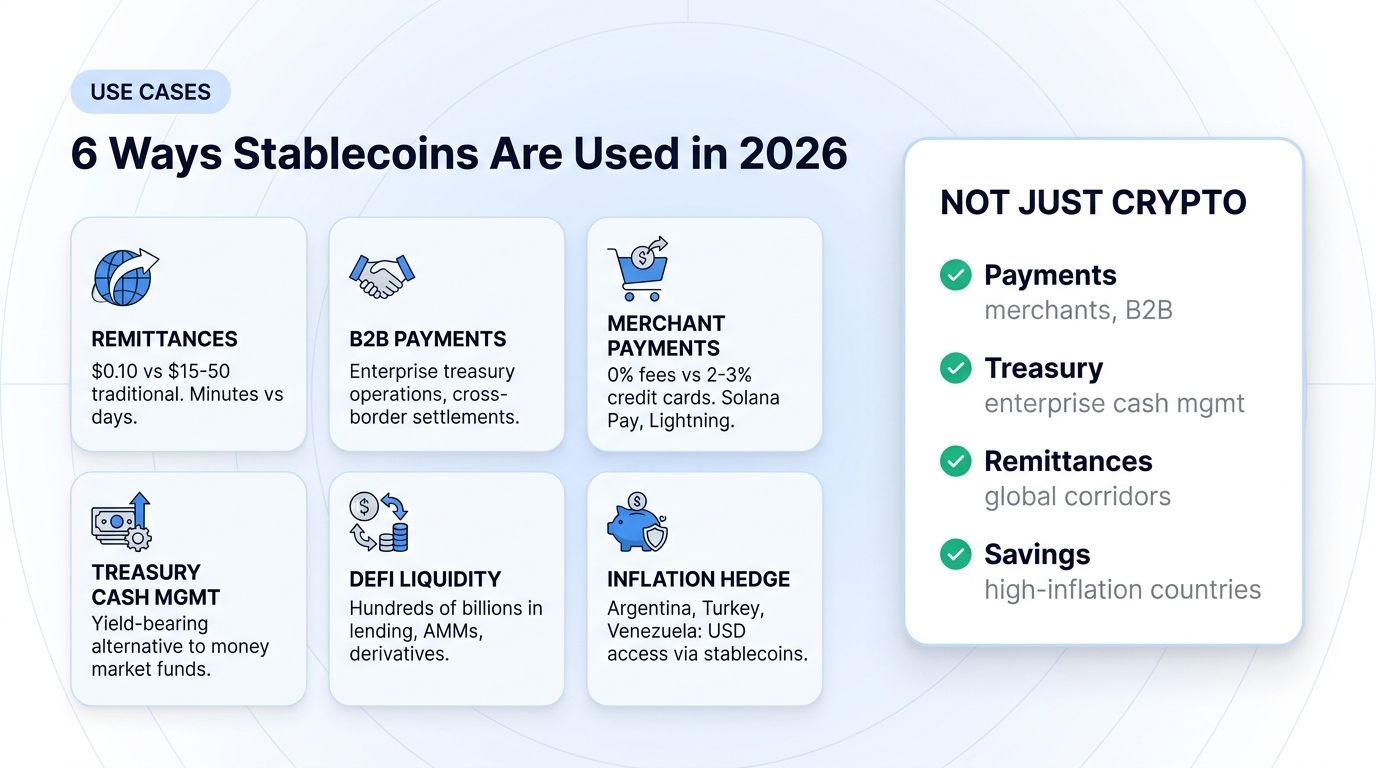
Use stablecoin pairs to hedge against local currency volatility without exiting the crypto ecosystem. By holding stablecoins pegged to stronger currencies, investors protect their wealth from sudden devaluations. This method allows for quick rebalancing and avoids the high fees associated with converting back to fiat. It serves as a financial shock absorber, maintaining value stability while keeping funds liquid and accessible for future investment opportunities. -
Preparing for regulatory shifts
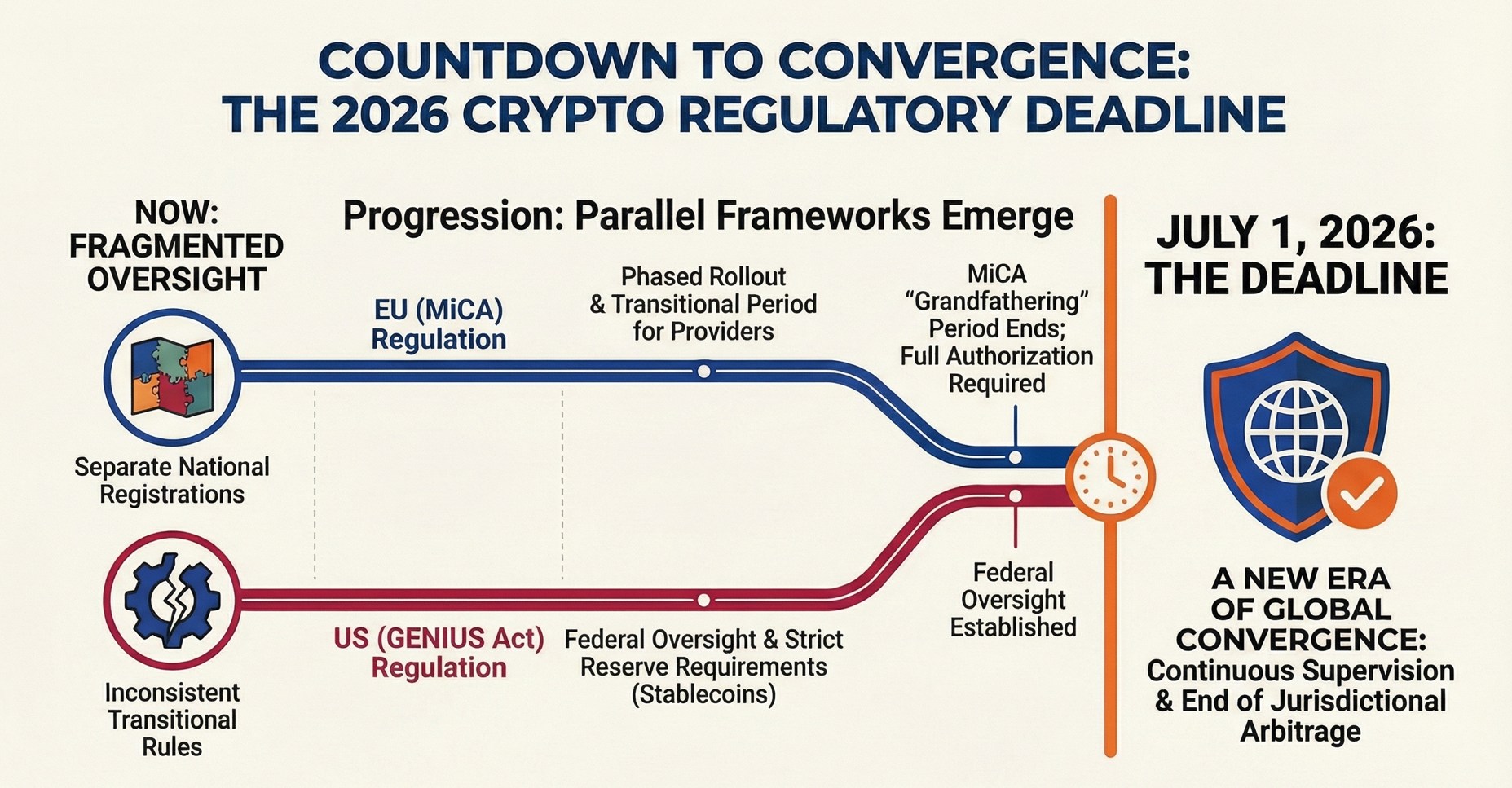
Stay ahead of evolving regulations by choosing platforms with strong AML/KYC frameworks. As governments tighten oversight, compliant platforms ensure uninterrupted access to funds. Investors should prioritize services that proactively adapt to legal changes, reducing the risk of frozen accounts. This foresight protects capital from sudden policy shifts, ensuring long-term viability in a rapidly changing regulatory environment across diverse African jurisdictions.
Stablecoin questions for African investors
Africa now leads the world in stablecoin ownership among crypto-active users, at 79% according to BVNK's Stablecoin Utility Report 2026. Nigeria and South Africa are driving the strongest growth in demand for stablecoins, according to Reuters.
What crypto is used most in Africa?
Stablecoins are the most used cryptocurrency in Africa. They offer a way to protect savings from local currency volatility without the extreme swings of Bitcoin. Users prefer them for everyday transactions and cross-border payments.
Who is the biggest crypto vendor in Africa?
Major global exchanges like Binance and Bybit dominate the market. Local platforms such as Yellow Card in Nigeria and Luno in South Africa also serve millions of users. These vendors provide on-ramps for buying and selling stablecoins.
What are the latest cryptocurrency news in Africa?
Regulatory frameworks are evolving across the continent. Central banks in Kenya and Ghana are exploring digital currencies. Meanwhile, private sector adoption of stablecoins continues to rise as a hedge against inflation.
Helpful gear
Use these product recommendations as a starting point, then choose the size, material, and price point that fit how you actually use the gear.


As an Amazon Associate, we may earn from qualifying purchases.
No comments yet. Be the first to share your thoughts!