Africa stable save: the reality of digital resilience
The concept of an "Africa stable save" is no longer just about keeping cash under a mattress or moving it through traditional banks that charge high fees for low security. It is about using digital tools to protect wealth against inflation and currency volatility. For millions of Africans, financial stability means having a reliable way to store value and send money without losing a significant portion to intermediaries.
The shift toward AI-driven micro-savings and stablecoins is addressing this need. By automating small, regular deposits and using digital assets pegged to stable currencies, individuals can build a buffer against economic shocks. This approach is particularly effective for those who are unbanked or underbanked, offering a path to financial resilience that was previously inaccessible.
While the potential is significant, the landscape is complex. Regulatory frameworks vary widely across the continent, and the technology requires a basic level of digital literacy. Understanding these trade-offs is essential for anyone looking to implement a stable savings strategy in Africa's emerging markets.
Africa stable save choices that change the plan
Choosing where to park your capital in Africa requires balancing liquidity, regulatory safety, and currency risk. AI-driven micro-savings platforms offer speed, but they often operate in a gray area regarding deposit insurance and cross-border compliance. You need to compare the specific infrastructure of each option before committing funds.
The following table compares the primary tradeoffs between traditional African bank accounts, regulated fintech savings apps, and stablecoin-based micro-savings protocols. Use this to evaluate which vehicle aligns with your risk tolerance and access needs.
| Feature | Traditional Bank | Regulated Fintech | Stablecoin Protocol |
|---|---|---|---|
| Deposit Insurance | Yes (up to national limits) | Varies by license | No |
| Currency Risk | High (local currency volatility) | Moderate (hedged options) | Low (USD-pegged) |
| Access Speed | Slow (1-3 days) | Instant | Instant |
| Regulatory Oversight | High | Medium | Low/Unregulated |
| Minimum Balance | Often high | Near zero | Near zero |
Calculating Your Potential Savings
Use this calculator to estimate the annual savings from shifting a portion of your remittance or savings flow to stablecoin transfers, based on the potential to avoid traditional foreign exchange fees and delays. This highlights the financial incentive behind the tradeoff analysis above.
The data suggests that even a small shift in volume can yield significant savings, as noted in industry analyses. However, the absence of deposit insurance means you bear the full risk of platform failure or smart contract bugs. Always verify the regulatory status of any platform before moving substantial funds.
Choose the next step
Africa Stable Save works best as a clear sequence: define the constraint, compare the realistic options, test the tradeoff, and choose the path with the fewest hidden costs. That order keeps the advice usable instead of decorative. After each step, pause long enough to check whether the recommendation still fits the reader's actual situation. If it depends on perfect timing, unusual access, or a best-case budget, include a simpler fallback.
Avoid the weak options
Use this section to make the Africa Stable Save decision easier to compare in real life, not just on paper. Start with the reader's actual constraint, then separate must-have requirements from details that are merely nice to have. A practical choice should survive normal use, maintenance, timing, and budget. If a recommendation only works in an ideal situation, call that out plainly and give the reader a fallback path.
The simplest way to use this section is to write down the must-have criteria first, then compare each option against those criteria before weighing nice-to-have features.
Africa stable save: what to check next
Stablecoin adoption in Africa is accelerating as a hedge against currency volatility, particularly in Nigeria, South Africa, and Kenya. While the technology offers significant savings on remittances, practical concerns regarding safety, regulatory stability, and economic resilience remain top priorities for users.
Stablecoins now account for 43% of all crypto transactions on the continent. This shift signals that digital assets are moving beyond speculative activity into essential financial resilience tools for emerging markets.
Helpful gear
Use these product recommendations as a starting point, then choose the size, material, and price point that fit how you actually use the gear.
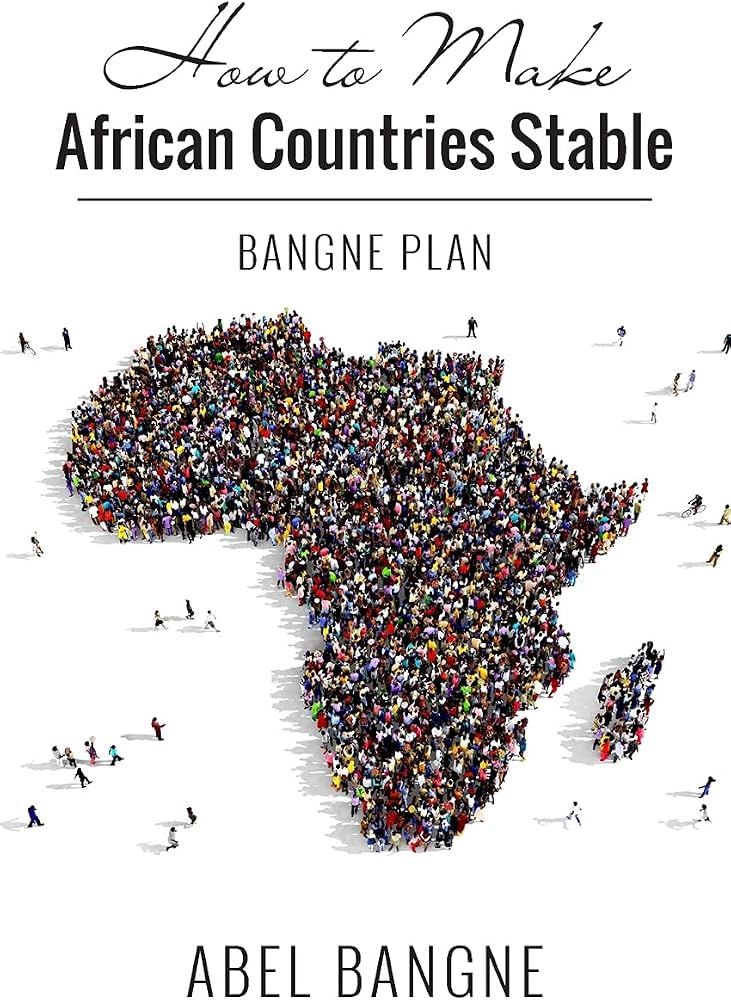

As an Amazon Associate, we may earn from qualifying purchases.
No comments yet. Be the first to share your thoughts!