Get Africa Stablecoin Adoption 2026 Right
Before you move funds into stablecoins, you must clear the regulatory and technical hurdles that vary significantly across the continent. The landscape is shifting rapidly, with South Africa and Nigeria leading adoption rates, but the rules of engagement are not yet uniform. Treating every market as identical is the fastest way to lose capital or face frozen assets.
Start by verifying the legal status of the stablecoin issuer in your specific jurisdiction. In South Africa, the Financial Sector Conduct Authority (FSCA) has issued warnings about unregistered crypto-asset service providers. In Nigeria, the Central Bank’s previous bans on crypto-related banking activities create a complex compliance environment for on-ramps. You need to know which exchanges are licensed locally and which are operating in a gray area.
Next, assess the infrastructure reliability. Stablecoins are only as good as the internet connection and mobile network that supports them. In many regions, power outages or network congestion can delay transactions, causing slippage in volatile markets. Choose stablecoins that operate on low-fee, high-throughput chains like Polygon or Stellar, which are better suited for the region’s mobile-first infrastructure than Ethereum mainnet.
Finally, secure your keys. Self-custody is the only way to guarantee true ownership, but it requires technical competence. If you cannot manage private keys securely, stick to regulated custodians, but be aware of their insolvency risks. The Africa Stablecoin Summit in Cape Town highlights the growing institutional interest, but for individual savers, the priority remains security and regulatory clarity.
Set up your stablecoin infrastructure
Setting up stablecoin savings in Africa requires more than downloading a wallet. It demands a structured approach to verify your identity, secure your funds, and choose the right network. This guide walks you through the essential steps to start saving safely in 2026.
Start by selecting a platform that complies with local financial regulations. In South Africa, for example, look for providers registered with the Financial Services Board (FSB) or those adhering to the new crypto asset service provider (CASP) licensing framework. Avoid unverified peer-to-peer (P2P) platforms that offer no recourse if transactions fail. Prioritize platforms with clear user support and transparent fee structures.
Regulatory compliance is non-negotiable for safe savings. Upload a government-issued ID and complete biometric verification if required. This step protects your account from unauthorized access and ensures you can withdraw funds to your local bank account without delays. Do not skip this step; unverified accounts often face severe transaction limits or sudden freezes during compliance audits.
Deposit funds using your local bank transfer or mobile money service. Bank transfers are often the most cost-effective method for larger amounts, while mobile money suits smaller, frequent deposits. Verify that the platform supports your specific currency (e.g., ZAR, NGN, KES) to avoid unfavorable foreign exchange rates. Wait for the funds to clear before attempting to convert them into stablecoins like USDT or USDC.
For true safety, move your savings from the exchange to a self-custody wallet you control. Use a hardware wallet or a reputable non-custodial mobile app. Ensure you securely back up your seed phrase offline. This step removes counterparty risk; if the exchange fails, your assets remain accessible. Never share your seed phrase with anyone, including customer support.
Not all stablecoins are created equal across networks. Choose a network with low transaction fees and high reliability, such as Polygon, Arbitrum, or Tron, depending on your region’s infrastructure. Sending USDT via the Ethereum main network can incur high gas fees that erode small savings. Verify the receiving address supports the specific network you are using to avoid permanent loss of funds.
-
Verified exchange or wallet provider compliance
-
Completed KYC with valid government ID
-
Funded account via local bank or mobile money
-
Transferred assets to self-custody wallet
-
Confirmed blockchain network compatibility


As an Amazon Associate, we may earn from qualifying purchases.
Fix common stablecoin mistakes
Using stablecoins in Africa often feels like navigating a new financial system with old maps. The technology works, but the surrounding infrastructure—banks, regulators, and local exchanges—hasn't fully caught up. Most users don't lose money to hacks; they lose it to confusion, fees, and regulatory blind spots.
Avoid these three common pitfalls to keep your savings secure and accessible.
Ignoring the on-ramp friction
The biggest mistake is assuming you can move money in and out as easily as sending an email. In many African markets, converting fiat to stablecoins requires verified accounts on specific platforms that may not support your local currency. If you buy on an international exchange that doesn't support your bank, you might find yourself stuck with USDT or USDC that you can't convert back to local cash without high premium fees or peer-to-peer (P2P) risks.
The fix: Before buying, confirm the withdrawal method. Use local P2P platforms with high completion rates and escrow protection, or stick to regulated local exchanges. Never send large sums to an exchange that doesn't have a clear, legal on-ramp in your country.
Overlooking regulatory status
Stablecoin regulation in Africa is fragmented. South Africa and Nigeria have clearer guidelines, while other nations are still drafting policies. Holding stablecoins in a jurisdiction with no legal clarity can mean your assets are frozen if a bank flags the transaction or if a platform is shut down by local authorities.
The fix: Check the current regulatory stance in your country. The Africa Stablecoin Summit 2026 in Cape Town highlighted that institutional adoption is driving clearer rules, but retail users are still in a gray zone. Stick to issuers with transparent reserves and regulatory licenses in major markets like South Africa.
Neglecting the gas fee trap
Moving stablecoins on networks like Ethereum can cost more than the transaction value itself during peak times. Many users send USDT via the ERC-20 standard, only to pay $10–$50 in gas fees for a $100 transfer. This erodes savings quickly, especially for small, frequent transactions.
The fix: Use low-cost networks. For USDT and USDC, consider TRON (TRC-20), Polygon, or Stellar. These networks offer near-instant settlements for fractions of a cent. Always verify the network before sending; sending USDT on the wrong chain can result in permanent loss.
Africa stablecoin adoption 2026: what to check next
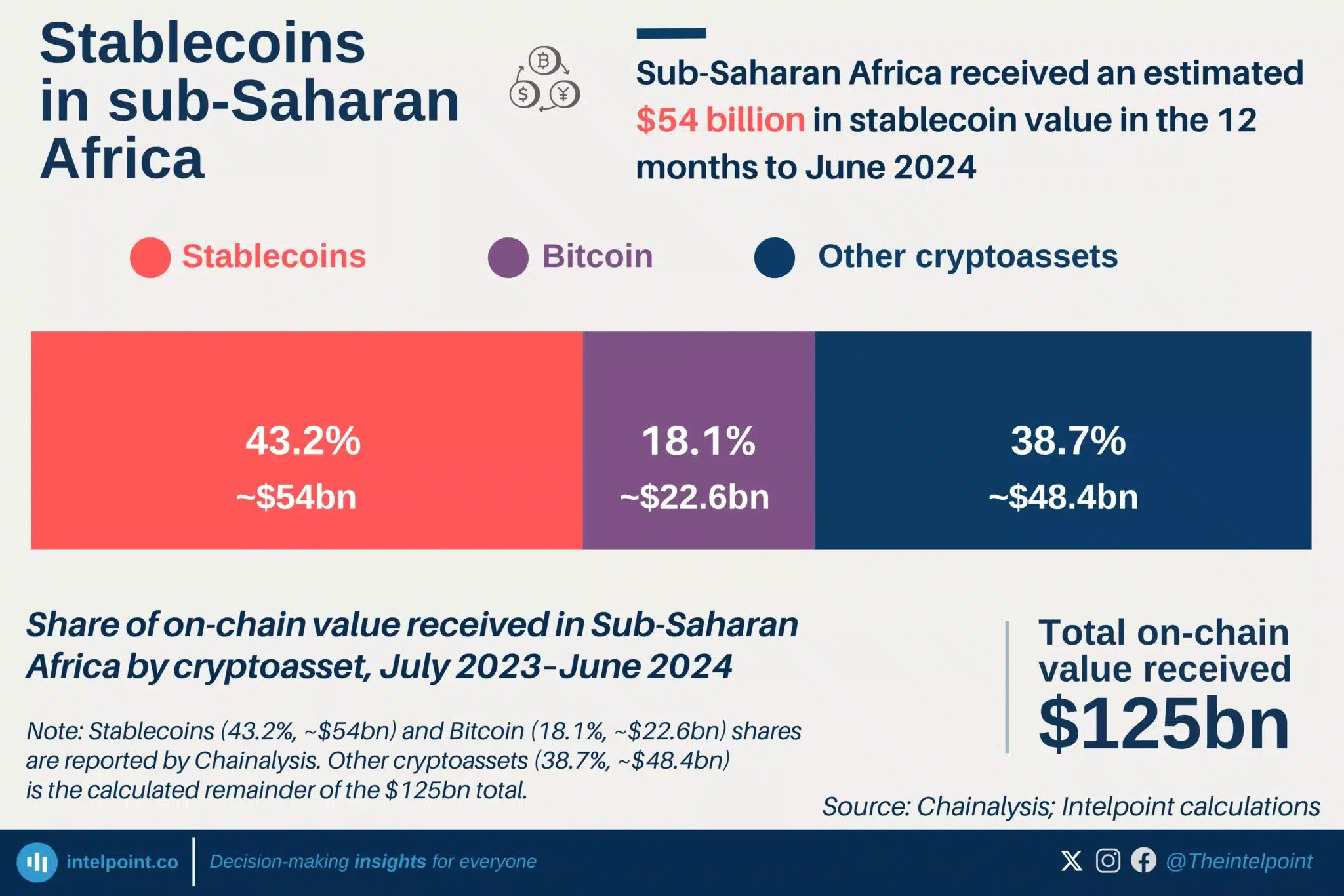
Stablecoins are no longer a niche experiment in Africa; they are a primary tool for savings and cross-border payments. With Chainalysis reporting that stablecoins now account for roughly 43 percent of all crypto transaction volume in Sub-Saharan Africa, understanding the practical realities of adoption is essential for anyone looking to use digital dollars for savings.
Regulatory frameworks are shifting rapidly across the continent. Nigeria and South Africa are leading this demand, but the rules of engagement differ significantly by jurisdiction. Before moving funds, you need to know how these assets are treated legally and practically in your specific location.
No comments yet. Be the first to share your thoughts!