Why stablecoin savings matter in Africa
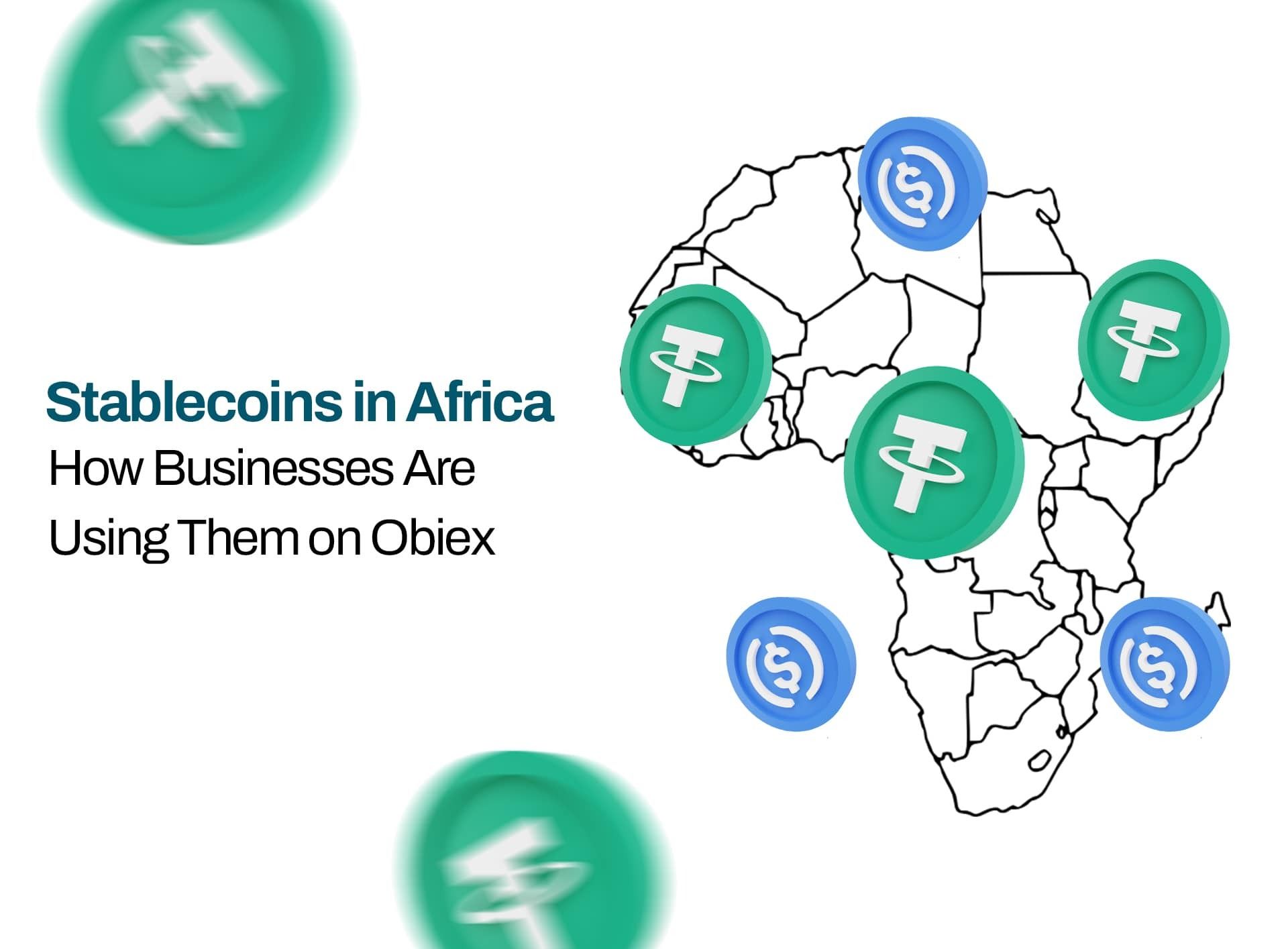
For savers and businesses across Africa, stablecoins have moved beyond speculative trading into a practical tool for preserving wealth. High local inflation and persistent currency volatility make USD-backed stablecoins a reliable alternative to holding depreciating fiat. Instead of watching savings erode against unpredictable exchange rates, users can hold assets that maintain their purchasing power while remaining accessible for daily transactions.
The shift toward stablecoin savings is not just about individual protection; it reflects a broader structural change in how value moves across the continent. According to a 2025 Chainalysis report, Sub-Saharan Africa recorded 45% year-on-year growth in stablecoin usage in 2024, driven primarily by trade settlement and treasury management needs. Reuters reports that Nigeria and South Africa are leading this demand, as businesses seek faster, cheaper alternatives to traditional multi-day banking rails.
Sub-Saharan Africa is the fastest-growing stablecoin market globally, recording 45% year-on-year growth in 2024 (Chainalysis, 2025).
This rapid adoption has prompted a regulatory shift toward formalization in 2026. Rather than banning digital assets, many African central banks are establishing frameworks to integrate stablecoins into the formal financial system. This regulatory clarity is essential for long-term stability, as it mitigates the risks of dollarisation and ensures that users have access to compliant, secure platforms. For those considering stablecoin savings, prioritizing regulatory compliance and safety is more important than chasing high yields.
As the landscape matures, the focus is shifting from adoption to infrastructure. Platforms that offer robust compliance, transparent reserves, and seamless integration with local banking systems are becoming the preferred choice for serious savers. Understanding these dynamics is the first step toward leveraging stablecoins for long-term financial resilience in Africa.
5 Stablecoin Savings Platforms in Africa for 2026
As regulatory frameworks tighten across Africa in 2026, prioritizing compliance and safety over speculative yields is essential for protecting capital. This roundup evaluates five stablecoin savings platforms that align with official guidelines from bodies cited by Reuters and Ripple, ensuring your assets are secured against evolving legal risks.
1. Binance Earn regulatory compliance in Africa
Binance Earn operates within complex African regulatory frameworks, requiring strict adherence to local financial laws. Users must verify their identity to access stablecoin savings features, ensuring the platform meets Anti-Money Laundering standards. This compliance layer protects users from sudden service suspensions, offering a safer environment for holding digital assets compared to unregulated alternatives.

2. Bybit Savings platform legal status
Bybit’s legal standing in Africa varies significantly by jurisdiction, demanding careful user due diligence. While the platform offers flexible savings products, its operational legality depends on local cryptocurrency bans or allowances. Investors should consult official regulatory announcements from their respective countries to ensure their participation does not violate local financial regulations or tax obligations.
3. KuCoin Earn account security measures
KuCoin Earn prioritizes account security through robust multi-signature wallets and advanced encryption protocols. These measures safeguard stablecoin deposits against unauthorized access, addressing critical security concerns for African investors. The platform’s commitment to safety includes regular security audits, providing a reliable infrastructure for users seeking to earn interest on their digital holdings without compromising asset integrity.
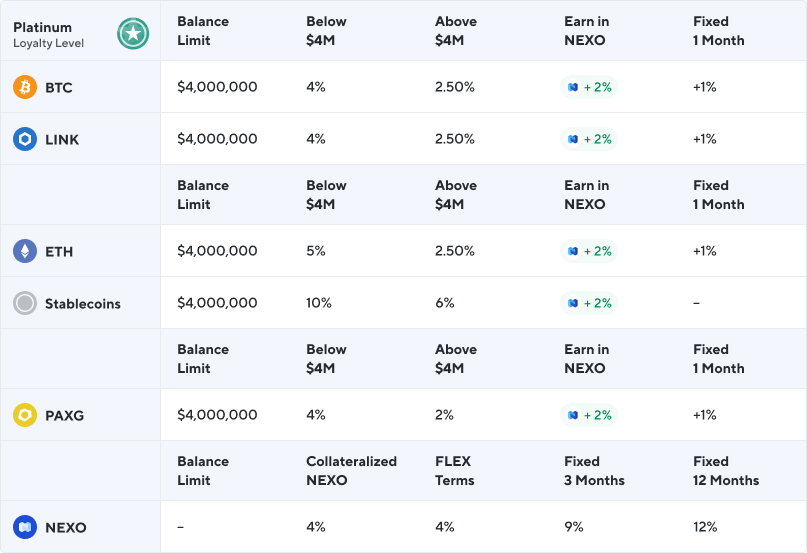
4. Nexo stablecoin interest rate regulations
Nexo’s interest rates on stablecoins are governed by specific regulatory guidelines that impact yield calculations. The platform’s legal framework ensures transparency in how interest is generated and distributed, aligning with financial compliance standards. Users benefit from a regulated environment where interest accrual is clearly defined, reducing the risk of unexpected changes due to shifting regulatory landscapes in African markets.
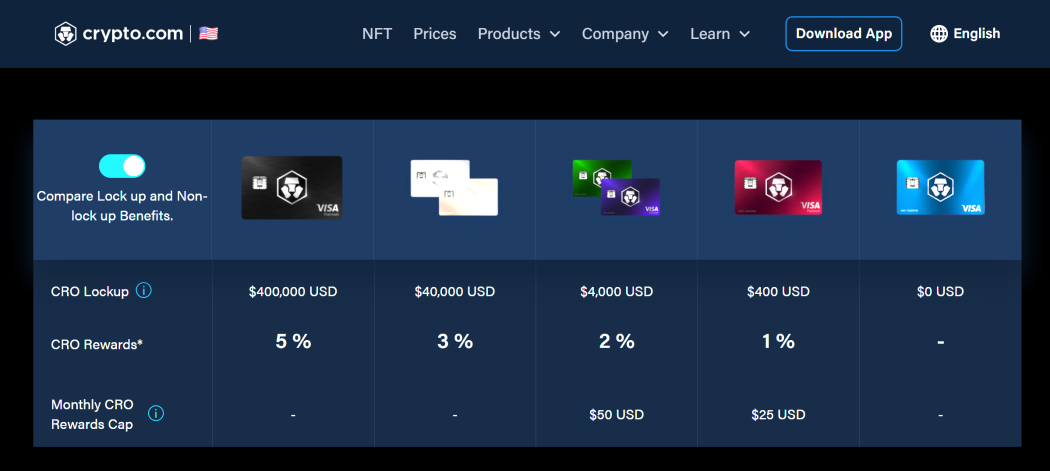
5. Crypto.com Earn platform licensing
Crypto.com Earn operates under various licensing agreements across different African regions, ensuring legal operation. This licensing framework mandates adherence to local financial regulations, providing users with a legally compliant avenue for stablecoin savings. The platform’s commitment to regulatory compliance offers peace of mind, allowing investors to focus on their financial goals without worrying about legal repercussions.
Regulatory landscape for crypto savings
Navigating stablecoin savings in Africa requires distinguishing between jurisdictions that ban, restrict, or regulate digital assets. The legal status varies significantly, directly impacting the safety and accessibility of your funds. In 2024, stablecoins accounted for 43% of crypto transaction volume in sub-Saharan Africa, according to an industry report by Yellow Card. This rapid adoption has outpaced regulatory frameworks in many regions, creating a complex environment for users.
In countries like Nigeria and South Africa, regulators are urging faster action as stablecoins gain ground. While some nations have banned crypto trading outright, others are developing clear guidelines for custody and exchange operations. Users must verify the licensing status of any platform before depositing funds. Relying on unregulated platforms in restrictive jurisdictions exposes savers to potential asset freezes or legal penalties.
The primary keyword cluster for this article is "stablecoin savings platforms in Africa." Understanding the local regulatory landscape is essential for mitigating risk. As Ripple notes, businesses and individuals now rely on stablecoins for trade settlement and treasury management because digital assets provide a more efficient alternative to traditional financial rails. However, this efficiency comes with the responsibility to operate within local laws.


As an Amazon Associate, we may earn from qualifying purchases.
Always prioritize platforms that are transparent about their regulatory compliance. If a platform operates in a gray area, assume the risk is higher. The goal is not just yield, but the preservation of capital within a legal framework.
How to secure your stablecoin holdings
Stablecoins now account for 43% of crypto transaction volume in sub-Saharan Africa, making security non-negotiable for anyone holding these assets. When you deposit funds into a savings platform, you are often choosing between self-custody and exchange-held assets. Understanding this difference is the first step in protecting your capital from platform insolvency or regulatory seizure.
For long-term storage, hardware wallets are the standard. They keep your private keys offline, ensuring that even if a platform is compromised, your assets remain secure. Never share your seed phrase. If a platform asks for it, it is a scam. Use hardware wallets for long-term storage.
Always verify smart contracts before interacting with a protocol. In Africa’s evolving regulatory landscape, relying on official sources like Ripple’s insights on crypto regulation or Reuters’ coverage of demand growth helps mitigate risk. Prioritize compliance and safety over yield chasing to ensure your savings remain accessible and intact.
Frequently asked questions about stablecoin savings
Which country has the strongest currency in Africa in 2026? Currency strength fluctuates, but the Botswana Pula and Moroccan Dirham have consistently ranked among the strongest in 2026. When comparing savings platforms, consider how local currency volatility impacts your stablecoin holdings and conversion rates.
Is XRP used in Africa? Ripple maintains partnerships across the continent, yet these currently focus on its stablecoin business rather than direct XRP usage for liquidity. While Ripple’s infrastructure supports African financial institutions, XRP itself is not the primary settlement asset in these specific partnerships.
How is stablecoin used in Africa? Stablecoins serve as a critical tool for trade settlement, treasury management, and cross-border payments. They offer a faster, cheaper alternative to traditional financial rails, which often involve multi-day settlement times and high fees, particularly in Nigeria and South Africa.
No comments yet. Be the first to share your thoughts!