Digital savings in Africa, 2026
The landscape of mobile savings in Africa has shifted from novelty to necessity. By 2026, the integration of AI-driven insights into mobile wallets has transformed how households manage cash flow across the continent. This evolution is not merely about convenience; it is about structural financial inclusion for the unbanked and underbanked populations who rely on mobile money as their primary banking interface.
Mobile network operators and fintechs are now embedding automated savings tools directly into everyday transaction apps. These tools use machine learning to analyze spending patterns, suggesting micro-savings opportunities without requiring manual input. For a user in Kenya or Nigeria, this means saving small amounts from airtime purchases or daily market transactions, turning fragmented cash flows into a stable financial buffer.
However, the technology alone does not guarantee inclusion. The real driver is the regulatory framework that supports interoperability between mobile money platforms and traditional banks. Institutions like FSD Africa, funded by UK aid, are working to ensure that these digital savings products are safe, transparent, and accessible. The focus has moved from simply launching accounts to creating sustainable ecosystems where savings grow through interest or automated investments.
As we look at the top performers, the distinction is clear. The most successful platforms are those that combine low barriers to entry with intelligent automation. They do not just store money; they help users understand and optimize their financial health. This shift is critical for Africa’s fastest-growing economies, where digital literacy and internet penetration are rapidly expanding, particularly in countries like Nigeria and South Africa, which lead in both user base and technological adoption.
Digital savings africa 2026 choices that change the plan
Choosing a mobile wallet or digital savings platform in 2026 requires balancing accessibility against cost and security. The "best" option depends on your primary constraint: are you prioritizing the lowest transfer fees, the highest interest yield, or seamless cross-border payments under the AfCFTA? Understanding these tradeoffs prevents unexpected costs from eroding your savings.
The following comparison breaks down the three dominant models currently shaping Africa's digital finance landscape. Each has distinct advantages for specific user profiles, from informal sector workers to cross-border traders.
| Model | Cost Structure | Network Reach | Best For |
|---|---|---|---|
| Mobile Money (M-Pesa, MTN MoMo) | Low transfer fees; higher withdrawal charges | Highest agent network coverage; works on USSD | Unbanked users and rural transactions |
| Neobanks (TymeBank, Kuda, Chipper Cash) | Low or zero monthly fees; competitive FX rates | Smartphone-dependent; urban-centric | Salaried workers and urban youth |
| Digital Banks (Standard Bank, Equity Bank) | Higher minimum balances; traditional banking fees | Full branch + digital integration | Business owners and high-net-worth individuals |
Mobile money remains the most inclusive option because it works on basic feature phones via USSD. However, withdrawal fees at agents can be steep, and interest rates on savings wallets are often negligible. Neobanks offer better digital experiences and higher yields but require smartphones and stable data connections, excluding those in areas with poor network coverage. Traditional digital banks provide robust security and credit facilities but often impose barriers to entry, such as minimum balance requirements.
Calculate your digital savings potential
Use this tool to estimate how different platforms might impact your monthly savings. Adjust the values to reflect your typical monthly income and the specific fee structures of your chosen provider.
Choose the Right Digital Savings Tool for Your Needs
Selecting a mobile wallet or AI-driven savings platform in Africa requires balancing accessibility, cost, and regulatory safety. The 2026 landscape is defined by institutions pushing for smarter, coordinated funding rather than just new money. Your choice should depend on your primary goal: daily transactional liquidity, long-term wealth accumulation, or cross-border remittance management.
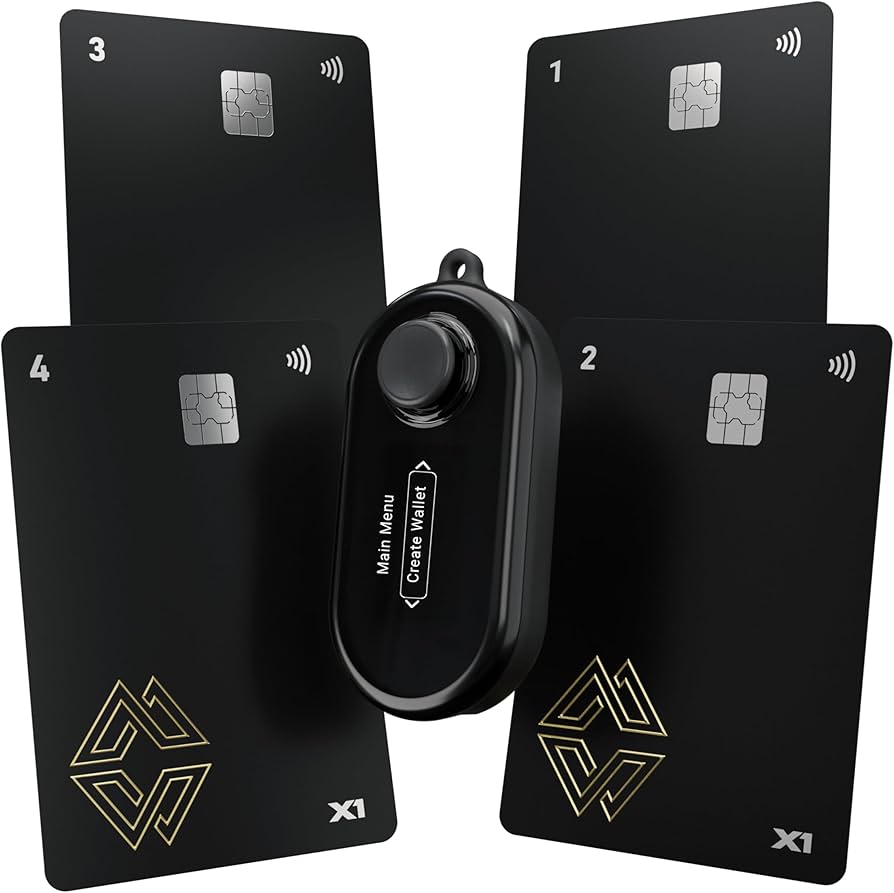
Use the following decision framework to evaluate your options. If you are looking for specific hardware to support these digital tools, such as secure devices or connectivity accessories, see the recommended gear below.

Before depositing funds, verify if the platform operates under a recognized central bank license. In countries like Nigeria, Ghana, and South Africa, Central Bank Digital Currencies (CBDCs) like the eNaira are officially launched or piloted. Using platforms that integrate directly with these state-backed systems reduces counterparty risk compared to unregulated fintech startups. Look for explicit mentions of central bank partnership or licensing on the provider’s website.

Modern mobile wallets use AI to automate savings from irregular income streams. Look for features like round-up savings, predictive cash flow analysis, and automated micro-investments. These tools are particularly valuable in economies with high inflation, as they help preserve purchasing power by moving idle cash into interest-bearing accounts or stablecoin equivalents automatically. Ensure the AI recommendations are transparent and do not lock your funds in illiquid products without warning.
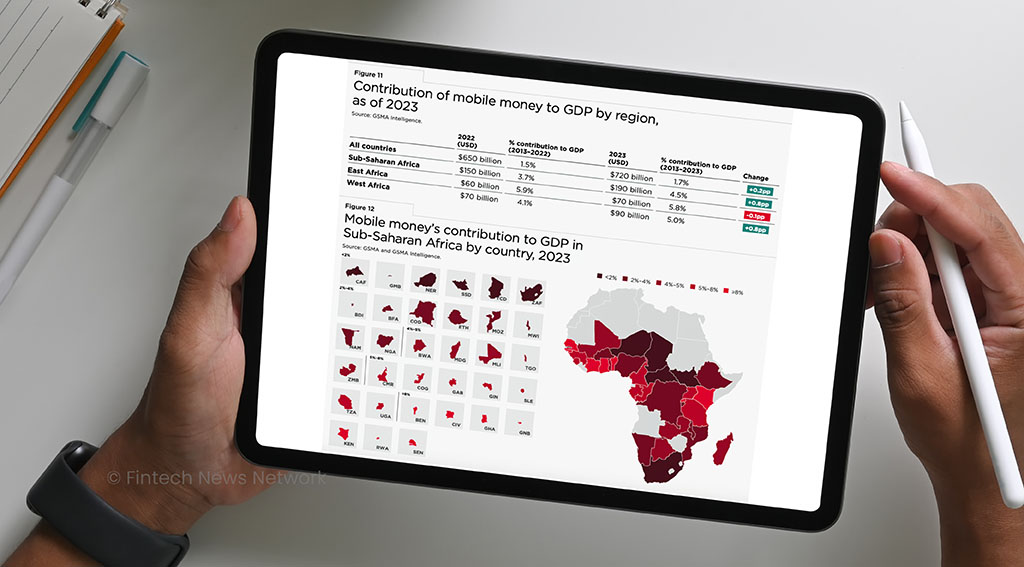
Mobile money fees can erode savings quickly if not monitored. Compare the cost of deposits, withdrawals, and transfers. Some platforms offer fee waivers for first-time users or for transactions above a certain threshold. Prioritize platforms that offer free intra-network transfers and low-cost withdrawal points. Be wary of hidden currency conversion fees if you operate across borders, as these can significantly impact your net savings over time.

Internet connectivity can be inconsistent in many African regions. Choose a platform that offers robust USSD (*123# style) access as a fallback. This ensures you can check your balance, transfer funds, or save money even without a smartphone data connection. A true digital savings revolution must be inclusive, meaning it works on basic feature phones as well as high-end smartphones.


As an Amazon Associate, we may earn from qualifying purchases.
Spotting misleading claims in digital savings
The promise of financial inclusion often outpaces the reality of product design. As mobile wallets and AI integrate into Africa’s banking sector, users face a new class of risk: features that look like savings but function like debt. Understanding the mechanics behind these tools is the only way to avoid common mistakes that drain accounts rather than build them.
Hidden fees in "free" transfers
Many mobile wallet platforms advertise zero-cost transfers, but the fine print often reveals maintenance fees, withdrawal limits, or currency conversion markups. Always check the total cost of ownership. A platform with no transfer fee might charge 2% for withdrawing cash at an agent. Compare the full fee schedule, not just the headline rate.
AI-driven credit disguised as savings
Artificial intelligence is increasingly used to assess creditworthiness based on mobile money history. Some platforms bundle this with "savings accounts" that automatically deduct payments for micro-loans. If your balance drops unexpectedly, verify whether it was a forced repayment. True savings should never be leveraged to pay off debt without explicit, separate consent.
Regulatory gaps and liquidity risks
Not all digital savings providers are licensed banks. Some operate as non-bank financial institutions with different consumer protection standards. Verify the provider’s license with your national central bank. If the platform is not fully regulated, your funds may not be insured in case of insolvency. Stick to providers with clear, official regulatory backing.
No comments yet. Be the first to share your thoughts!