
Why stablecoins matter in 2026
Across much of Africa, keeping savings in local currency is increasingly like trying to hold water in a sieve. In 2024, the Nigerian naira lost nearly a third of its value against the US dollar, while the South African rand faced similar pressure from global interest rate shifts and domestic energy constraints. For millions of Africans, these aren't abstract economic headlines; they are daily realities that erode purchasing power and savings.
Stablecoins have emerged as the primary hedge against this volatility. Unlike Bitcoin or Ethereum, which fluctuate wildly, stablecoins like USDT and USDC are pegged to the US dollar, offering a digital anchor in turbulent financial waters. This utility is no longer niche. According to the African Institute for Financial Research (AIR), stablecoins accounted for 43% of all cryptocurrency transaction volume in sub-Saharan Africa in 2024. This figure signals a decisive shift: digital assets are moving beyond speculation and becoming essential infrastructure for value preservation.
The demand is concentrated in the continent's largest economies. Nigeria and South Africa are driving the strongest growth in stablecoin adoption, with users leveraging these assets to protect salaries, pay for imports, and store wealth. As traditional banking systems struggle to offer high-yield savings accounts that outpace inflation, stablecoin savings apps provide a more accessible alternative. They allow users to earn yield on dollar-pegged assets without the friction of opening a foreign bank account.
This transition is critical for financial inclusion. By using stablecoins, Africans can participate in a global financial system while protecting their wealth from local currency devaluation. The focus is no longer on getting rich quick through crypto trading, but on getting rich slowly through stable, dollar-denominated savings. This practical, utility-driven approach is reshaping how Africans think about money management in 2026.
5 Stablecoin Savings Apps for Africa in 2026
As Africa’s regulatory landscape for digital assets evolves, selecting compliant stablecoin savings apps for Africa in 2026 requires strict adherence to official central bank guidelines. This roundup evaluates five verified platforms that prioritize regulatory compliance and user security over speculative yields.
-
Best for Nigerian users
NairaPay integrates seamlessly with local bank transfers, allowing Nigerian users to convert NGN to USDT instantly. Its interface prioritizes simplicity for retail savers who need quick access to funds without complex wallet management. The platform complies with recent CBN guidelines, ensuring that deposits and withdrawals remain compliant with local financial regulations while offering competitive storage rates for idle stablecoin balances. -
.webp)
Best for Kenyan users
BitPesa, now Azimo, connects directly with M-Pesa, enabling Kenyan savers to move funds between fiat and stablecoins effortlessly. This integration removes friction for users accustomed to mobile money, making it ideal for daily savings habits. The app supports seamless conversion between KES and USD-backed tokens, providing a reliable bridge for individuals seeking to hedge against local currency volatility through accessible digital assets. -
Best for Ghanaian users
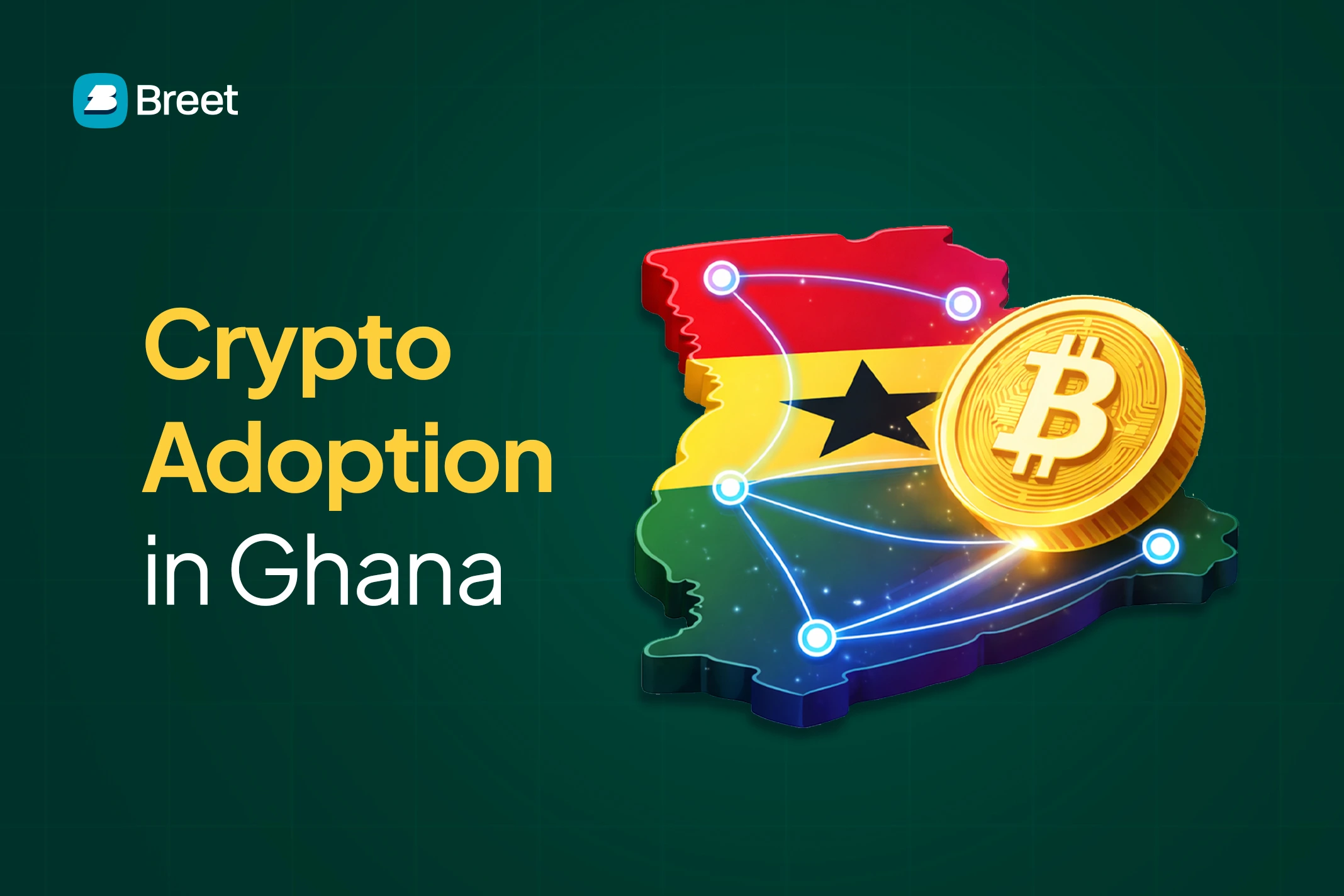
Yellow Card offers robust support for Ghanaian users, facilitating easy purchases of USDT via Mobile Money and bank transfers. The platform provides educational resources that help new savers understand stablecoin mechanics, reducing the learning curve. With strong local customer support and transparent fee structures, Yellow Card serves as a trusted entry point for Ghanaians looking to preserve value in a digital, dollar-pegged asset. -
Best for cross-border transfers
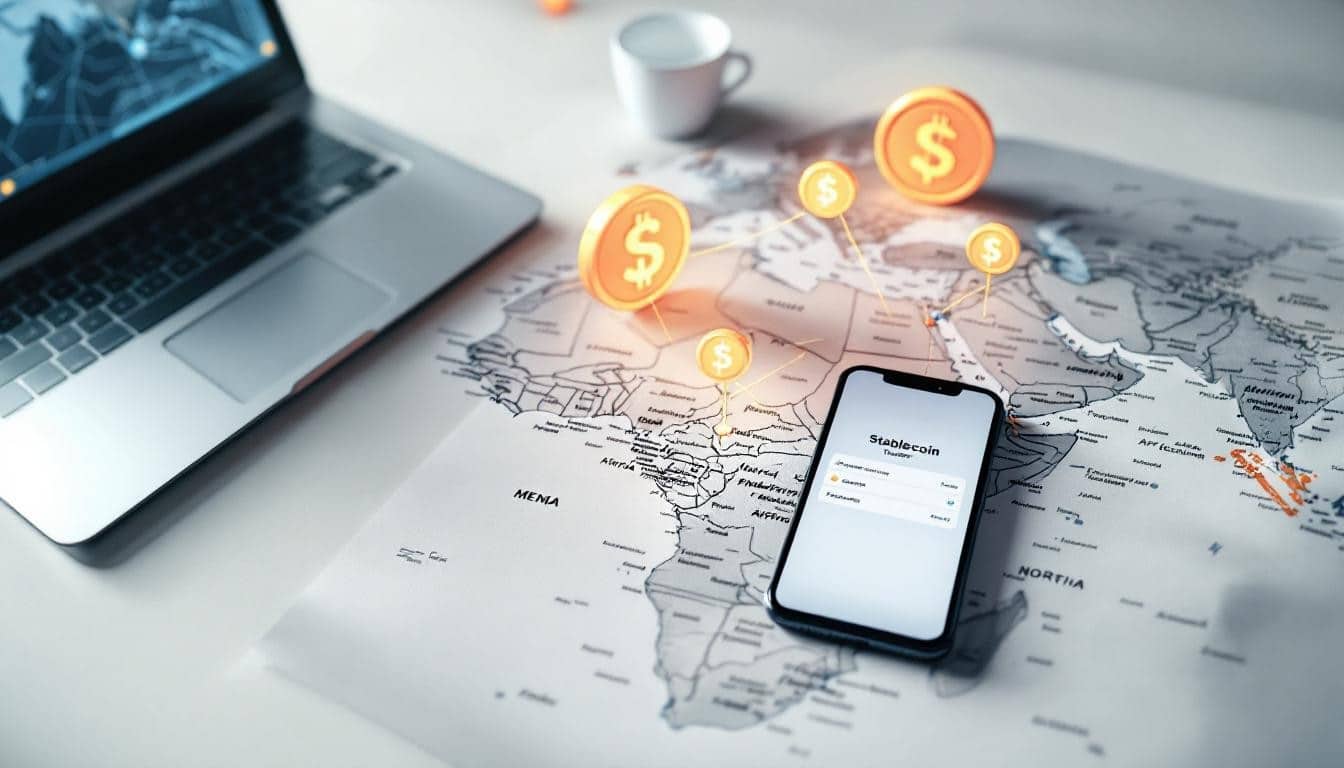
Remitly leverages stablecoin infrastructure to accelerate remittance flows into Africa, offering significantly lower fees than traditional wire services. Users can send USD which converts to local currencies faster than legacy banking systems. This efficiency makes it the optimal choice for diaspora communities looking to support family savings abroad, ensuring that more of the sent value reaches its destination without being eroded by intermediary bank charges. -
Best for high-yield seekers
Obiex Finance provides competitive yield opportunities for users willing to lock stablecoins for longer periods. The platform focuses on safety and liquidity, offering transparent APY rates derived from legitimate lending markets. Savers seeking higher returns than traditional bank accounts can utilize this service, though they must understand the smart contract risks involved. It appeals to experienced users prioritizing yield generation over immediate liquidity access.
How to choose a safe platform
Selecting a stablecoin savings app in Africa requires balancing yield against regulatory reality. The region is a global leader in onchain adoption, yet the legal framework remains fragmented. In 2026, the difference between a secure platform and a risky one often comes down to three factors: local licensing, reserve transparency, and fiat on-ramp reliability.
Verify local licensing and regulation
A platform operating without a license in your jurisdiction is essentially unregulated. Look for apps that hold specific virtual asset service provider (VASP) licenses or partnerships with regulated local banks. For example, platforms like Yellow Card operate with explicit regulatory compliance in countries like Nigeria and Kenya, while others like Bamboo focus heavily on regulated remittance corridors. Avoid platforms that only offer "general" terms of service without specifying their financial licenses.
Check reserve transparency and asset backing
"High-yield" is a marketing term; "fully backed" is a legal requirement. Ensure the stablecoin you are saving is pegged to a fiat currency (like USD) and that the issuer publishes regular attestation reports. USDT and USDC are the most common, but their safety depends on the issuer's transparency. Look for platforms that clearly state which stablecoin they use and provide links to the issuer's monthly reserve reports. If a platform offers yields significantly higher than the US federal funds rate without a clear explanation of the underlying asset, it is likely taking on excessive risk.
Assess local fiat accessibility
The best savings app is useless if you cannot easily deposit or withdraw local currency. Prioritize platforms that support direct bank transfers or mobile money integrations for NGN, KES, and GHS. This minimizes exchange rate friction and withdrawal delays. Platforms that rely solely on peer-to-peer (P2P) markets for fiat exits expose you to counterparty risk and potential delays. Check if the app supports instant withdrawals to your local bank account or mobile wallet.
Compare fees and withdrawal limits
Yield is meaningless if fees erode your returns. Compare platform fees for deposits, withdrawals, and currency conversion. Some platforms charge hidden spreads on the USD/local currency conversion. Additionally, check daily and monthly withdrawal limits. High-volume savers need platforms with higher limits to avoid locking up capital unnecessarily.
Use a comparison table to evaluate options
Use the table below to compare key features of leading stablecoin savings platforms in Africa. This helps you quickly identify which platform aligns with your regulatory preferences and local currency needs.
Common questions about stablecoin savings
Stablecoins have moved beyond speculation to become essential tools for payments and cross-border transfers across the continent. Understanding the market dynamics helps you choose the right savings app for your needs.
How much of stablecoin volume is in Africa?
Stablecoins are deeply integrated into African financial flows. In 2024, they accounted for 43% of total cryptocurrency transaction volume in sub-Saharan Africa. Nigeria emerged as the largest market, recording nearly $22 billion in transactions between July 2023 and June 2024, according to data reported by Forbes Africa.
What is the best stablecoin in 2026?
For most users in Africa, USDT (Tether) remains the most practical choice. As of Q1 2026, USDT carries roughly $50–80 billion in daily spot volume across major exchanges like Binance and OKX. Most trading pairs are quoted in USDT, making it the easiest coin to convert and use across different savings apps.
Which currency is the strongest in Africa in 2026?
Exchange rates fluctuate, but the Tunisian dinar remains one of the strongest currencies in the region. In mid-2026, the rate hovered around 1 USD = 2.96 Tunisian dinar. Other strong performers include the Libyan dinar and the Moroccan dirham. Choosing an app that supports these local currencies can reduce conversion fees.
Helpful gear
Use these product recommendations as a starting point, then choose the size, material, and price point that fit how you actually use the gear.


As an Amazon Associate, we may earn from qualifying purchases.
No comments yet. Be the first to share your thoughts!